




Related news
Biochemical Reagents Guide: Reliable Results | Solarbio
Table of Contents
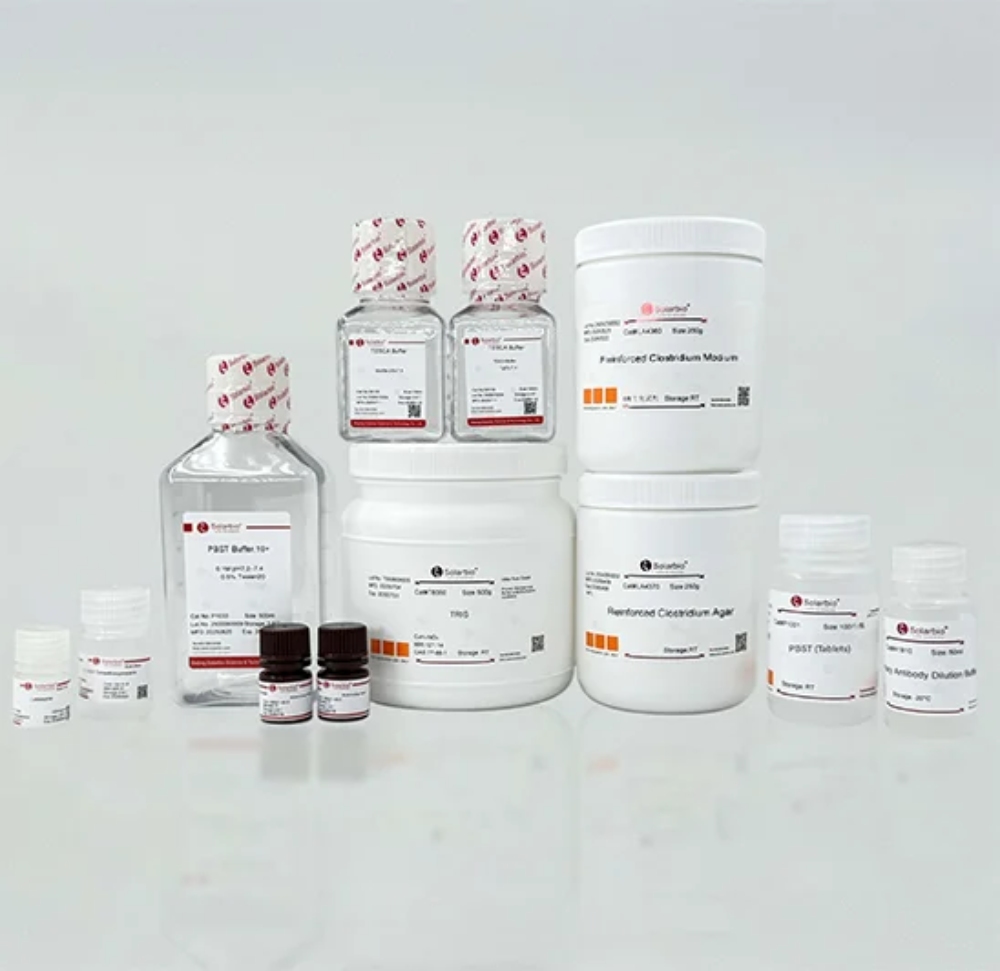
In molecular biology, you seldom obtain dependable outcomes from just one excellent reagent. Instead, you achieve them through a controlled system. This includes the proper substrate, suitable reagent, correct catalyst, appropriate storage method, and essential quality documentation. When you pick biochemical reagents, you do more than acquire supplies for a single test. You safeguard your specimens, your effort, and your findings.
1.1 A Research-Focused Supplier for Reliable Life Science Workflows
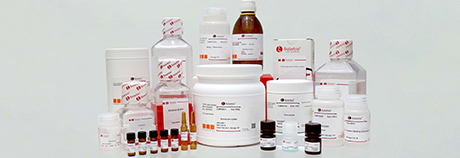
Beijing Solarbio Science & Technology Co., Ltd. is a life sciences reagent manufacturer founded in 2004. It possesses extensive expertise in research-grade biochemicals, product development, production, quality control, and technical support services. From a professional perspective, the company demonstrates considerable utility. Its product portfolio extends well beyond basic laboratory consumables and general-purpose reagents. It encompasses molecular biology, cell biology, immunology, biochemical assay kits, ELISA kits, antibodies, polypeptides, analytical reference standards, small-molecule substrates, histological staining reagents, functional proteins, and CRO-related customized services.
For research professionals like you, this is of substantial significance. A typical molecular biology workflow often proceeds from nucleic acid extraction to protein expression, followed by cellular verification and immunoassay identification. Relying on disparate suppliers for each experimental phase leads to inefficient troubleshooting and ambiguous root cause analysis. The company provides a more integrated product ecosystem, enabling you to deploy reagents, proteins, assay kits, detection reagents, and customized services on a one-stop basis within a unified service system.
Moreover, its certifications to ISO 9001, ISO 13485, ISO 14001, and ISO 45001 also underpin quality traceability, standardized manufacturing, and rigorous document management. Accordingly, you can evaluate not only product specifications, but also batch records, technical parameters, and fitness for purpose. In routine laboratory testing and publication-oriented research, these factors can directly affect experimental reproducibility.
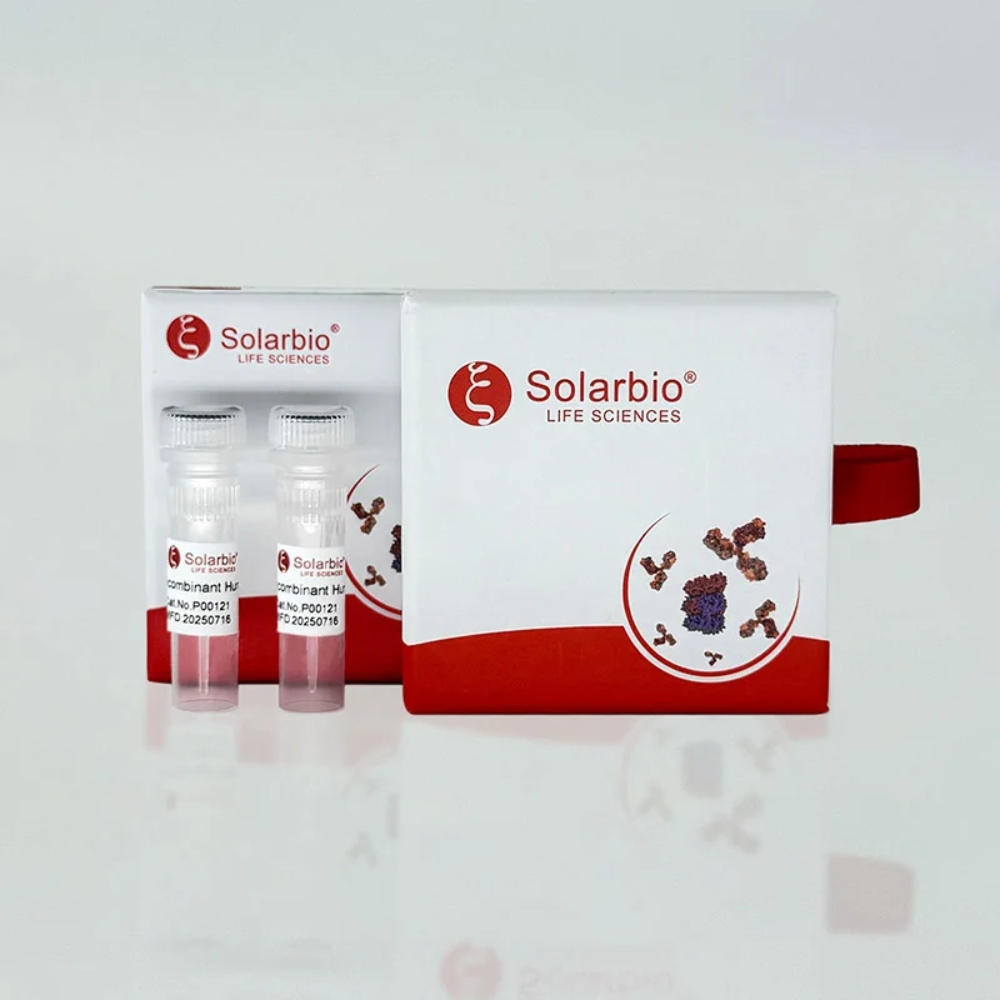
1.2 Classify Each Component Prior to Your Purchase
Prior to the selection of biochemical reagents, it is imperative to define their functional properties. A broad spectrum of experimental artifacts may arise if a substrate is improperly utilized or mismatched with incompatible components. Within biochemical reaction systems, the three most widely applied categories encompass substrates, co-reagents, and catalysts.
1.2.1 Substrates: Selection Criteria — Purity, Stability, and Biological Relevance
Substrates are consumed or structurally modified during the reaction. They directly influence the reaction outcome, detection indicators, or biochemical reaction efficiency. Should the substrate contain impurities, undergo oxidation, exhibit insufficient stability, or demonstrate poor shelf life, the final outcome may be compromised—even if your experimental procedure remains precise.
In studies of glucose metabolism, G8150 D-Glucose serves as a reliable choice for calibration curves, glucose metabolism assays, and glucose-coupled detection systems. For energy metabolism or phosphorylation studies, A8270 ATP Disodium Salt[1] is highly suitable; it is employed when you require a defined nucleotide source. For redox studies, reagents such as NADH require rigorous handling, as oxidation can increase background noise and compromise detection accuracy.
Regarding lipid metabolism, pathway regulation, and cellular signaling, the selection criteria for fatty acids and small-molecule substrates shall be grounded in purity, solubility, solvent compatibility, and storage stability. Cost shall not be deemed the primary screening criterion. Purity and structural stability shall take precedence, as substrate quality directly impacts experimental readouts.
1.2.2 Auxiliary Reagents: Selection Criteria — System Compatibility
Auxiliary Reagents maintain reaction conditions, protect key analytes, enable signal detection, or pretreat samples. They may not participate in the formation of the final product; nevertheless, they are often critical to assay success.
In buffer preparation, T8060 Tris Base and T8230 Tris-HCl facilitate protein purification, enzymatic assays, and the formulation of various molecular biology buffers. P1003 PBS Powder and P1004 DPBS are well-suited for rinsing, dilution, immunological manipulation, and cell-based assays. For recombinant protein expression, I8070 IPTG assists in induction. Meanwhile, K8020 Kanamycin Sulfate supports antibiotic selection.
During protein extraction, P8340 PMSF functions to inhibit protease-mediated degradation. T8200 Triton X-100[2] and S8010 SDS facilitate membrane lysis, cell disruption, and downstream separation procedures. Reagent selection should be guided by sample type, subsequent detection method, and compatibility with target proteins or antibodies.
1.2.3 Catalysts: Select Based on Activity Unit, pH Range, and Handling Stability
Catalysts accelerate biochemical processes without being consumed in the reaction. In molecular biology, proteins serve as the primary catalysts. The selection of proteins should not rely solely on their nominal designation; instead, it is essential to verify their activity parameters, optimal pH range, thermal stability range, cofactors, inhibitors, and freeze-thaw stability.
For nucleic acid extraction, P9460 Proteinase K is recommended for protein digestion and DNA/RNA purification. D8071 DNase I facilitates the removal of DNA contaminants from RNA samples. In cell culture and tissue processing, T8150 Trypsin (1:250)[3]facilitates cell dissociation. Additionally, L8120 Lysozyme promotes bacterial lysis.
For glucose identification, G8030 Glucose Oxidase and P8020 Peroxidase find use in GOD-POD color-based test setups. Within this test, glucose acts as the substrate. Glucose oxidase and peroxidase serve as catalysts. The color-producing setup generates the detectable indication. Such distinct grouping aids in designing proportions properly. It also safeguards the straight-line detection scope.
1.3 Align Product Selection with Molecular Biology Workflows
After identifying the component type, you can align the selected products with the actual experimental tasks. An effective experimental protocol avoids arbitrary substitutions; instead, it employs matched biochemical reagents that support the same experimental objective.
1.3.1 Nucleic Acid Extraction and Template Preparation
DNA and RNA workflows require efficient lysis, protein digestion, nuclease inhibition, and optimized buffer conditions. A robust sample preparation protocol may include P9460 Proteinase K, D8071 DNase I, P1003 PBS or P1004 DPBS, Tris buffers such as T8230 Tris-HCl and T8060 Tris base, T8200 Triton X-100, and S8010 SDS. Reagent selection depends on the sample type.
For downstream PCR or qPCR assays, sample purity is critical. Residual proteins, salts, detergents, or genomic DNA contamination can interfere with amplification efficiency. By selecting validated biochemical reagents for sample preparation, variability is minimized prior to amplification.
For comprehensive task planning, you can refer to the product catalog. It enables the comparison of nucleic acid isolation kits, molecular biology reagents, buffers, proteins, and related product categories.
1.3.2 Protein Expression, Extraction, and Preservation
Protein-related experiments require a balance between yield and biological function. I8070 IPTG is effective for the induction of recombinant protein expression. P8340 PMSF prevents target protein degradation during purification. Detergents such as T8200 Triton X-100 and S8010 SDS facilitate cell lysis; however, their compatibility with downstream steps must be verified, as certain detergents can interfere with protein assays, antibody binding, or protein quantification.
Should you require comprehensive protein quantification, a BCA Protein Assay Kit(PC0020)[4]can normalize concentrations. When investigating phosphorylation, signal transduction, or protein expression, blocking agent selection, temperature control, and buffer composition become critical. Your biochemical reagents must maintain optimal performance; they should not merely isolate the substrate.
1.3.3 Cell Detection and Functional Assays
Cell-based assays are highly sensitive to impurities, solvent concentrations, incubation conditions, ionic strength, and detection protocols. For cell viability and cytotoxicity assays, the CA1210 CCK-8 Kit[5] provides a reliable option for assessing metabolic activity. For nuclear staining and cell death detection, the B8030 Hoechst 33258 supports fluorescence-based readout.
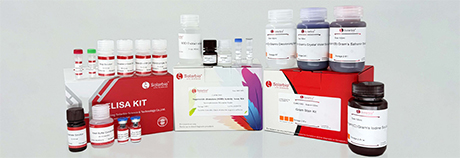
In immunoassays, paired detection components can minimize background noise. The SEKF104 TMB Substrate Solution, SEKF121 Streptavidin-HRP, and ELISA kit components are well-suited for antigen-antibody signal conversion. In most cases, a kit outperforms individual reagents, as it reduces preparation errors and improves assay stability.
1.4 Use Quality Evidence to Reduce Experimental Variation
A product’s title identifies its nature. Quality verification confirms its suitability for your research endeavor. If your experiment supports dissertation writing, published research, screening tasks, or long-term research projects, maintaining detailed records is crucial.
1.4.1 Check CoA, Purity, Activity, and Batch Traceability
Prior to purchasing biochemical reagents, review the Certificate of Analysis (CoA), purification method, yield specification, storage conditions, and batch information. For proteins, product specifications must be compatible with your experimental protocol. For small molecules, solvent compatibility and stock solution stability are critical. For antibodies and ELISA kits, sensitivity, specificity, species reactivity, and validation data shall guide product selection.
Lot traceability is particularly valuable for long-term experimental projects spanning several months. Disparate assay signals obtained from different batches may compromise the interpretability of biological findings. A traceable quality system facilitates comparative analysis of experimental results across time periods.
1.4.2 Control of Storage, Transportation, and Freeze-Thaw Cycles
Even high-grade reagents may exhibit suboptimal performance following improper handling. Proteins may lose activity after repeated freeze-thaw cycles. Fluorescent dyes may degrade upon light exposure. Oxidation-sensitive compounds may alter properties due to frequent opening of storage containers. Protease inhibitors may lose efficacy if prepared prematurely or stored under inappropriate conditions.
These risks can be mitigated by aliquoting sensitive materials, maintaining recommended storage temperatures, protecting light-sensitive samples, and recording opening dates. Where shipping and storage conditions are critical, select products with clear handling guidelines and technical support.
1.5 Use a Practical Selection Table
A structured framework facilitates the transition from product overview to final selection.
| Workflow Need | Key Selection Factor | Recommended Products | Why It Helps |
| DNA/RNA extraction | Enzyme activity and contamination control | P9460 Proteinase K, D8071 DNase I | Enhances enzymatic digestion and minimizes interference in DNA/RNA experimental workflows |
| PCR/qPCR preparation | Template purity and buffer quality | Tris buffer such as T8230 Tris-HCl and T8060 Tris base, P1003 PBS/P1004 DPBS, extraction kits | Enables cleaner template input for amplification |
| Protein expression | Protein induction and stabilization | I8070 IPTG, P8340 PMSF | Enhances expression regulation and minimizes protein degradation |
| Cell detection | Low background signal and high signal stability | CA1210 CCK-8 Kit, B8030 Hoechst 33258 | Facilitates cell viability and fluorescence assays |
| Glucose quantification assay | Catalyst specificity and signal transduction | G8030 Glucose Oxidase, P8020 Peroxidase, G8150 D-Glucose | Establishes a well-defined GOD-POD assay system |
| Immunoassay detection | Sensitivity and compatible components | SEKF104 TMB Substrate, SEKF121 Streptavidin-HRP | Minimizes mismatch between antibody recognition and chromogenic reaction |
This guideline functions not merely as a purchasing reference, but also as a troubleshooting tool. When experimental results are unsatisfactory, it enables you to identify whether the issue originates from the substrate, auxiliary reagents, catalysts, or detection system.
1.6 Transition from Standard Products to Customized Technical Support
Standard off-the-shelf reagents are suitable for routine experimental assays. However, specific research projects require customized design and formulation. Specialized initiators, antigen fragments, recombinant proteins, or custom antibodies may be necessary. This is applicable for non-standard research targets or assays requiring bespoke validation criteria.
Available technical services include primer design, fragment synthesis, protein customization, antibody customization, and affiliated CRO support. These services are applicable when standard commercial products cannot fully meet your requirements for research targets, purity specifications, species compatibility, and experimental application formats.
This stage is critical, as molecular biology research often evolves from routine detection to target‑specific validation. Customized technical support can shorten development timelines and eliminate iterative trial‑and‑error testing cycles.
1.7 Final Selection Checklist
Prior to ordering, clarify the functional role of each substrate. Confirm whether it serves as a reaction substrate, auxiliary reagent, or enhancer. Match the grade to your experimental application. Review the certificate of analysis, purity, yield, and storage specifications. Verify compatibility with your sample, buffer, instrument, and downstream assays. Choose kit formulations when consistency takes priority over flexibility. Select individual reagents when requiring flexibility in protocol development. Opt for customized services when research targets require bespoke experimental design.
High-quality biochemical reagents cannot guarantee experimental success on their own. Nevertheless, they eliminate many hidden interfering factors. They ensure stable experimental performance, reduce repetitive troubleshooting, and deliver more reliable and reproducible results.
In need of biochemical reagents with consistent batch-to-batch performance and reliable assay reproducibility? Browse the full product portfolio, access official technical documents, or contact technical support to select reagents matched to your sample type, research target, assay format, and expected results. This is the most effective next step to minimize experimental failure, obtain clear data outcomes, and ensure robust, reproducible assay performance.
1.8 FAQ
Q1. How do I select appropriate biochemical reagents for molecular biology applications?
A1. Start with your experimental objectives.For nucleic acid extraction, focus on lysis efficiency, protein removal, and impurity control.For protein-related experiments, evaluate activators, blocking agents, and buffer formulations.For cell-based assays, assess sensitivity, cytotoxicity, and signal stability.
Q2. What is the difference between a substrate, an auxiliary reagent, and a catalyst?
A2. A substrate is consumed or chemically altered during the reaction. An auxiliary reagent maintains the reaction environment and supports the detection workflow. A catalyst accelerates the reaction rate without being consumed.
Q3. Why is batch-to-batch consistency important?
A3. Variations between production batches may affect signal intensity, background noise, protein yield and detection range. Consistent batches enable reliable data comparison across different experiments and time periods.
Q4. Which reagents are suitable for DNA and RNA extraction?
A4. P9460 Proteinase K, D8071 DNase I, Tris buffer, PBS/DPBS, Triton X-100 and SDS support tissue lysis, washing steps, cell disruption and contaminant removal.
Q5. How should I evaluate enzyme products?
A5. Assess activity specifications, optimal pH, reaction temperature, additives, blocking agents, storage conditions, and freeze-thaw stability. Proper handling is equally critical as product specifications themselves.
Q6. Should I choose individual reagents or complete assay kits?
A6. Select individual reagents for flexible protocol development. Choose assay kits when standardized reaction conditions, fewer preparation steps, and more stable experimental results are prioritized.
Q7. What should I do if no standard catalog reagent fits my project?
A7. Customized services are available, including primer design, gene fragment synthesis, recombinant protein expression, and custom antibody development. These solutions apply to non-standard research targets, special experimental requirements, and application-specific validation demands.
-
ShengLi M, Shuang Z, Qi W, et al. Inhibition of USP14 influences alphaherpesvirus proliferation by degrading viral VP16 protein via ER stress-triggered selective autophagy[J]. Autophagy, 2022, 18(8): 1801-1821.
-
Yamei C, Shihao Z, Tianyuan L, et al. Epithelial cells activate fibroblasts to promote esophageal cancer development[J]. Cancer cell, 2023, 41(5):903-918.e8.
-
Jiadi L, Yuying L, Siqi M, et al. Gasdermin E mediates resistance of pancreatic adenocarcinoma to enzymatic digestion through a YBX1-mucin pathway[J]. Nature cell biology, 2022, 24(3): 364-372.
-
Shang Y, Hu X, Ren M, et al. Understanding the toxicity induced by radiation-triggered neuroinflammation and the on-demand design of targeted peptide nanodrugs[J]. Signal Transduction and Targeted Therapy, 2025, 10(1): 286-286.
-
Deng S, Zhang Y, Wang H, et al. ITPRIPL1 binds CD3ε to impede T cell activation and enable tumor immune evasion[J]. Cell, 2024, 187(9): 2305-2323. e33.
 Consult
 Whatsapp
 Leave Message
 top
top