



Column vs Magnetic Bead RNA Extraction | Solarbio
Table of Contents
Smeared gels again? Nanodrop numbers half of what you hoped? Hold off on blaming the kit — nine times out of ten it isn’t the kit. In many sample preparation runs, RNA is already degraded within ten minutes of tissue collection or cell harvesting. RNases ride in on gloves and benchtops and dust. Whatever they digest stays digested; no column un-digests a transcript.
What follows: the two mainstream extraction chemistries, side by side. Silica membranes first. Then beads, which run the same job in suspension. Last, the five failures labs ask us about most, with the fixes that hold up on a real bench.
How Column-Based RNA Extraction Works
Open a spin column. There’s a silica membrane in there, and honestly the membrane is the whole trick.
Lysis buffer goes in first and cracks cells open fast. Two jobs happen at once in there. Guanidinium salts denature the proteins; the RNases the sample just let loose get knocked out before they can reach your RNA. High salt comes next. Under it, the phosphate backbone of nucleic acids finds the silica and binds. DNA stays off. So do proteins, polysaccharides, pigments. One spin, and all of that leaves with the waste.
Elution comes last. Low-salt buffer breaks the hydrogen bonding that kept your RNA stuck to the membrane. Two or three minutes of contact time before you spin. Skimp on that, and your yield will be the one complaining.
How the Bead Route Pulls RNA Out
Beads skip the membrane altogether. Their surface groups grab nucleic acids under high salt. Lysis first. Then the salt gets adjusted, RNA settles onto the beads, and proteins with polysaccharides stay behind in the liquid.
A magnet rack plays the part of the centrifuge here. It pins the beads against the tube wall. Pour the waste off. Wash the beads a few times. Then in goes a low-salt elution buffer, and the RNA lets go.
No membrane anywhere. No clogging either. Keep that in mind for the day your sample list turns into a wall of bacterial cultures.
Column or Beads: Matching the Method to Your Sample
Both routes end clean. Where they part ways is hardware, throughput, and how rough a difficult sample is on each.
|
Aspect |
Column method |
Magnetic bead method |
|
Equipment |
Standard centrifuge |
Magnet rack; automated extractor optional |
|
Best suited for |
Routine manual extraction (tissue, cells, blood) |
Bacteria, high-debris samples, batch runs |
|
Common failure point |
Membrane overload or incomplete lysis |
Beads clumping, beads lost during transfer |
|
Throughput |
Lower, tube by tube |
High, scales well to 96-well formats |
|
Automation |
Limited |
Straightforward |
Routine work? Stay with columns. The centrifuge you already own is basically the whole equipment list, and there’s a kit for nearly every starting material — R1250 for cells, R1240 for tissue, R1210 if you’re on Gram-negative bacteria, R1230 for plants.
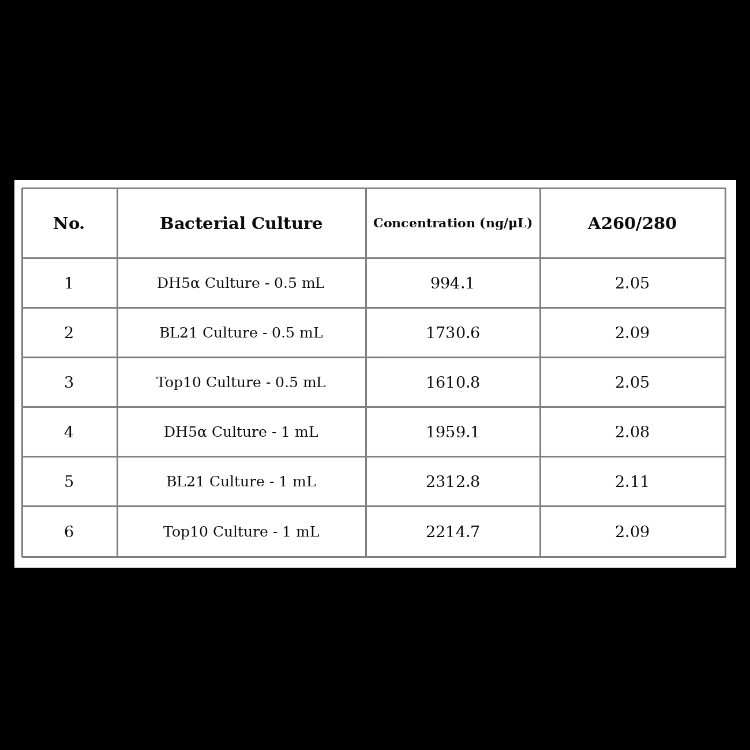
Where beads really pay off is bacteria. Nothing clogs. Dense culture debris that would choke a column just drifts through. Labs that come to us about bacterial RNA get pointed to kit R2021, no hesitation.
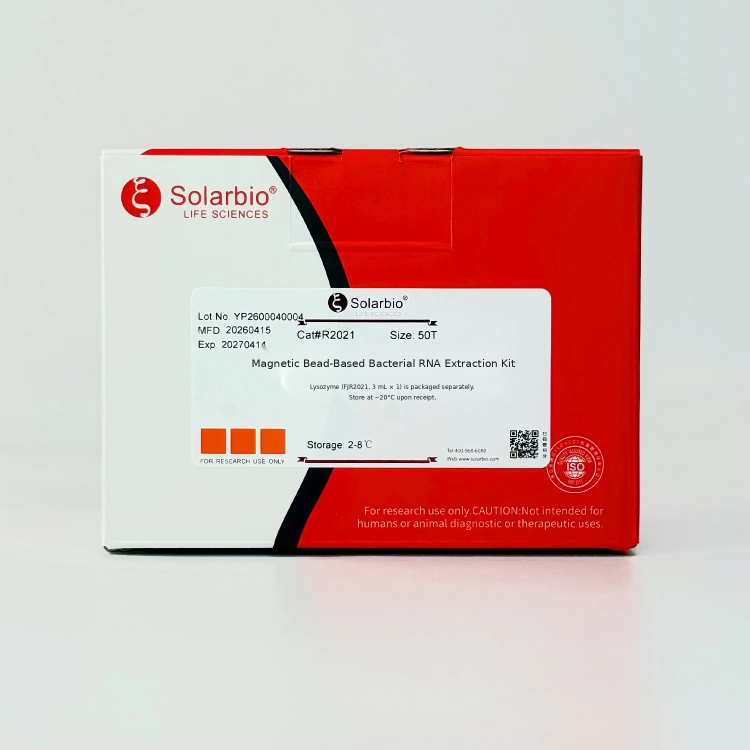
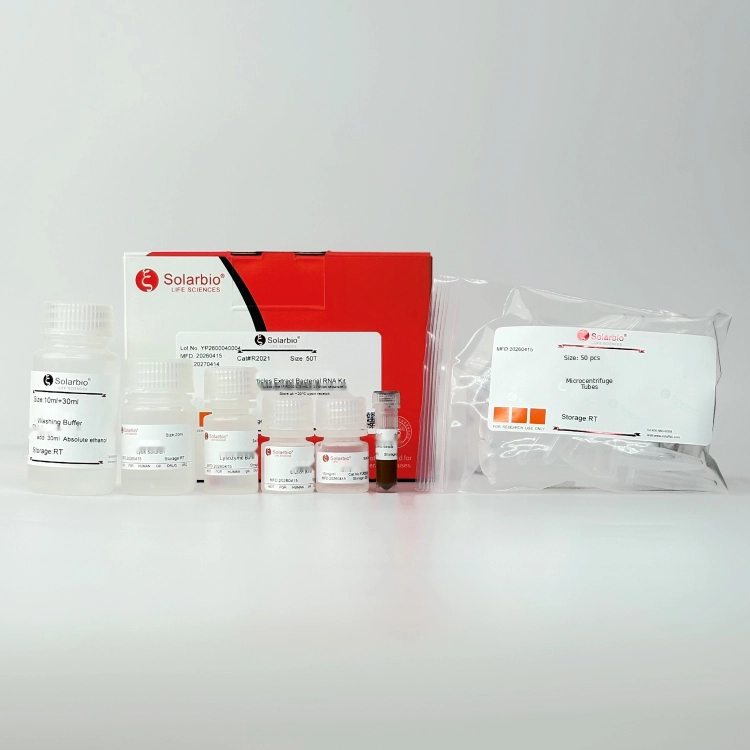
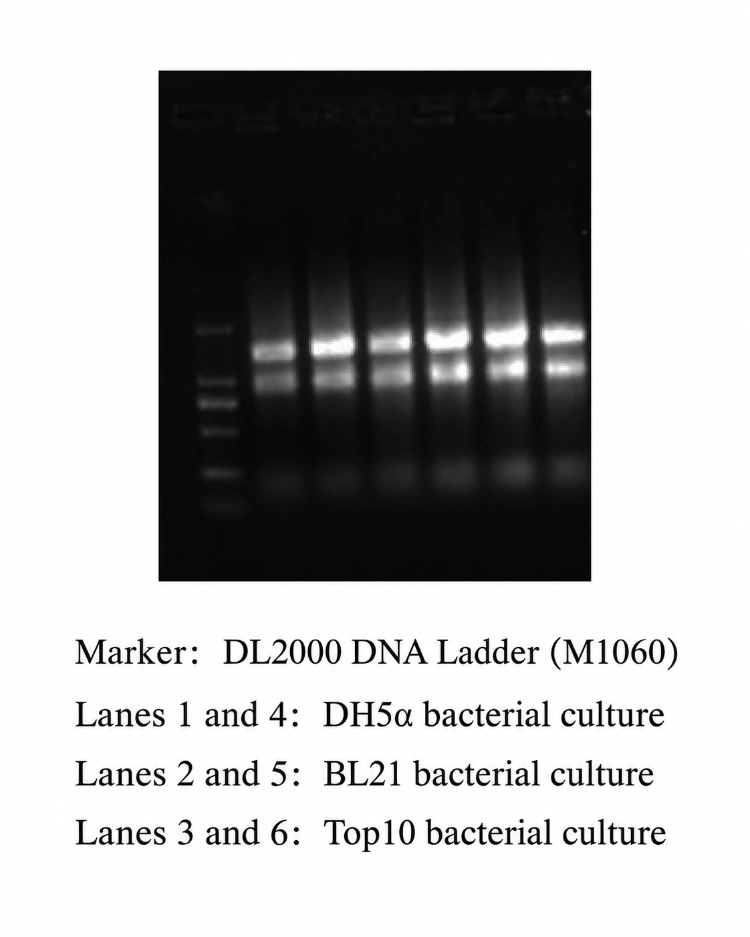
miRNA is a separate fight. Anything under 200 nt walks straight through a standard silica membrane — gone. That’s why small RNA work runs on dedicated kits: R2200 for whole blood, R2220 for tissue and cells, R2230 for plants.
RNA Extraction Kits and Product References
The following products are listed in the supplied RNA extraction information spreadsheet. Click a product name to open its Solarbio product page, or select “View publication” to open the associated DOI record where one was provided.
|
Cat. No. |
Product Name |
Related Publication |
|
R2200 |
Not provided |
|
|
R2220 |
||
|
R1240 |
||
|
R1250 |
||
|
R2021 |
Sample Handling Decides Everything
Freeze tissue the moment it leaves the animal. Liquid nitrogen, or straight into lysis buffer. Either one, just pick and commit. And quit the thaw-refreeze loop while you’re at it; every pass costs yield, and you only find out at the concentration readout.
Plant tissue and tough connective tissue want real grinding first. Half-broken material leaves half its RNA sitting in the pellet. Leaf samples punish shortcuts. Inadequate grinding is a common challenge in plant RNA extraction and can significantly reduce RNA recovery.
Column Handling Details
DNase I and elution buffer go into the middle of the membrane, never the wall. Then let them sit two to three minutes before the spin.
Kit R1240 elutes in 30 to 100 μL. Drop under 30 and efficiency falls off quicker than people expect. Eluted RNA goes to −80°C the same day. Next morning is pushing it.
Bead Handling Details
Beads sink to the bottom at 4°C. Resuspend that bottle properly before you dose it out. Skip that, and you’re pipetting fewer beads than the protocol assumes. Recovery suffers quietly.
At every magnet step, wait for the liquid to run completely clear before you aspirate. Clumped beads beat lost ones for damage — impurities get trapped inside the clump, ride through the washes untouched, and the mess resurfaces later as a poor 260/230 ratio.
Five Failures We Keep Getting Asked About
- Gel shows smear, RNA looks degraded. Either the sample degraded in transit or RNases rode in on consumables. Freeze fast, lyse fast, glove up, mask on, certified RNase-free tubes and tips only, and wipe the bench down with an RNase removal reagent before anything else.
- Concentration too low. Most often incomplete grinding or lysis. Occasionally beads nobody resuspended. Quit the freeze-thaw loop, grind harder, stick to the reagent ratios, and let column elution incubate a bit longer.
- OD260/280 below 1.8. Protein contamination. Someone cut the washes short. Add one more wash. A clean tissue prep on R1240reads 2.0 to 2.2 here.
- Low OD260/230. Salt or polysaccharide carryover. Polyphenol-heavy plant samples get it worst. Move them to the R1230 plant RNA kit and add a wash when needed.
- Reverse transcription or PCR fails downstream. Ethanol from the washes didn’t leave. Columns need a longer dry spin. Beads need the wash buffer fully evaporated before elution.
Still weighing phenol-based methods? Our earlier walkthrough of Trizol RNA extraction covers where that classic fits and where it stops being worth the trouble.
The Bottom Line Before You Order
Choose by sample, choose by throughput. Then protect the yield with boring discipline. Freeze fast. Lyse completely. The washes and elution deserve the same patience.
Beijing-based Solarbio has been at extraction chemistry since 2004. Four ISO certifications (13485, 9001, 14001, 45001) on the wall, a stock list north of 100,000 products, and technical support that follows each kit from order to result. Company background lives on the about Solarbio page. Tissue, cells, blood, plant material, bacteria. The nucleic acid extraction kit line runs both formats across all of them.
Not sure which catalog number fits? Contact the Solarbio technical team with your starting material and downstream assays. Two lines of description usually settles it.
FAQ
Q1. Can one kit grab long RNA and miRNA both?
No. miRNA sits under 200 nt, and standard silica membranes let it walk right past. Only a dedicated small RNA kit holds onto it. Whole blood wants R2200. Tissue and cells, R2220. Plants, R2230. All three were built around short fragments.
Q2. My OD260/280 came out under 1.8. Why?
Protein contamination, nearly always from washes that got cut short. Add a wash. And check that each wash actually resuspends whatever carries your RNA. A clean tissue prep on R1240 sits at 2.0 to 2.2. Anywhere in there, you’re fine.
Q3. Bacterial RNA — column or beads?
Beads. Nothing clogs. Dense culture debris that would choke a column just drifts past. Kit R2021 covers the job. Gram-negative sample and a lab that prefers manual centrifuge work? Column kit R1210 exists for exactly that.
 Consult
 Whatsapp
 Leave Message
 top