




How Do Reagents for Biochemical Tests Influence Result Accuracy
Table of Contents
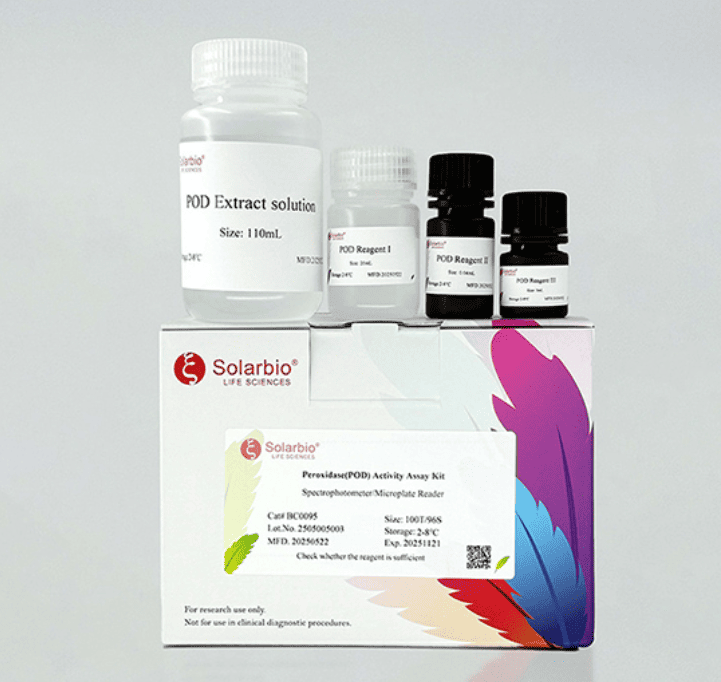
Life science research depends on biochemical tests which enable scientists to measure biomolecules and enzymatic activities and metabolic functions with high precision. The results of biochemical tests depend on the quality of their reagents because these substances determine both test precision and test reliability. The entire process requires absolute control of every component starting from the initial composition through to the detection chemistry stage. A reliable supplier of reagents and assay kits functions as a vital component in this research environment. Beijing Solarbio Science & Technology Co., Ltd. operates as a leading life science tool provider which delivers complete biochemical research solutions to scientists.

Factors Affecting Accuracy of Biochemical Test Results
Composition and Purity of Reagents
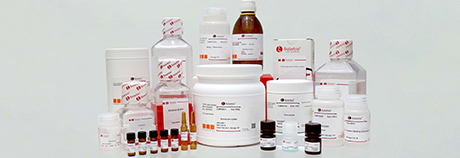
The results of biochemical assays depend on the exact chemical makeup and purity standards of the reagents used. The presence of contaminants in reagents leads to unwanted chemical interactions which reduce both test precision and detection ability. The entire process of biochemical reagent production follows ISO9001 quality management system standards which start from material acquisition through manufacturing and quality inspection and finish with product delivery and storage and transportation and customer support to maintain complete product tracking. The high purity and reliable performance of reagents result from this advanced quality control system.
The Biochemical Reagent product line from Solarbio operates under strict manufacturing standards which produce low contamination levels for achieving dependable experimental outcomes.

Stability and Shelf Life of Reagents
The reliability of research assays depends heavily on reagent stability as a key factor. The degradation of reagents occurs through time when storage conditions are not proper which results in decreased test sensitivity and reactivity. The inspection process evaluates physical and chemical attributes (appearance and solubility and pH and purity) and biological performance tests (biological activity and stability and sensitivity and accuracy) to confirm that only stable products reach the laboratory.
Solarbio provides complete stability information and detailed storage instructions for all their products to support your experimental reagent stability needs.
Compatibility with Assay Conditions
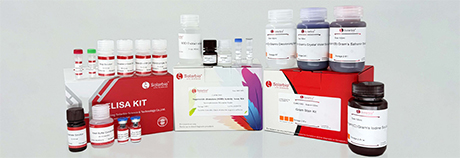
The selection of reagents requires consideration for assay conditions because they need to work well at specific pH levels and temperatures and ionic strength values. The use of incompatible reagents will cause enzyme denaturation and produce incorrect reaction kinetic results. Solarbio solved this problem through their development of Biochemical Assay Kits which operate under physiological conditions to deliver precise results without significant interference.
Role of Reagent Quality in Enzymatic Assays
Enzyme Activity Preservation
The native structure and activity of enzymes must remain intact throughout enzymatic assays. The testing period requires both stabilizers and appropriate buffer systems. Solarbio provides enzyme-compatible buffers which maintain functional stability during the entire assay procedure.
The system requires these buffers to stop enzyme degradation from causing underestimation of analyte concentrations.
Substrate Specificity and Turnover Rate
The purity level of substrates determines how enzymes react and maintain their linear response. The signal output becomes more effective when using high turnover substrates but these substrates need proper calibration. The substrate formulations from Solarbio undergo validation tests for particular enzymatic reactions which produces dependable results. The kits from Solarbio enable researchers to perform various assays including studies of carbohydrate metabolism and energy dynamics.
Interference from Reaction Byproducts
The presence of byproducts in reactions can block enzyme function and disrupt signal detection methods. The buffer system needs to contain components which effectively neutralize all side reaction products. The detection systems in Solarbio kits have been optimized to reduce background signal interference.
Influence of Buffer Systems on Analytical Performance
pH Control and Ionic Strength Balance
The correct measurement of pH and ionic strength serves as a critical factor to preserve enzyme function and molecular binding relationships during laboratory tests. The use of pre-calibrated buffer systems reduces experimental errors. Solarbio offers pre-calibrated buffer systems which match particular biochemical tests to achieve maximum performance.
Solarbio incorporates buffers into their reagent products and kits to maintain experimental consistency.
Chelation and Metal Ion Regulation
The enzymatic pathway determines whether metal ions like Ca²⁺ or Mg²⁺ function as essential components or create inhibitory effects. The addition or removal of chelating agents like EDTA requires careful consideration. Solarbio provides metal-based buffers and chelator-based buffers which serve different applications.
The assay design remains unaffected because of this flexible approach.
Redox Potential Management in Oxidative Assays
The sensitivity of oxidative assays depends on the stability of redox reactions. The NADH/NAD⁺ cycling reactions need to occur in a stable redox environment. The redox-stabilized reagents from Solarbio provide reliable results in assays that measure oxidative stress.
These products support basic research investigating cellular respiration and oxidative stress–related mechanisms.
Impact of Detection Chemistry on Result Sensitivity
Colorimetric Detection Sensitivity Range
The detection method of colorimetry depends on chromogenic substrates which need to show linear results when detecting various concentrations of substances. The colorimetric kits from Solarbio provide broad detection ranges which make them suitable for high-throughput screening operations.
Fluorometric Signal Amplification Efficiency
The detection of low-abundance targets in fluorescence-based assays depends on achieving high signal-to-noise ratios. The fluorometric reagents from Solarbio feature improved fluorescence intensity together with reduced auto-fluorescence background. The specific characteristics of these reagents make them suitable for biological sample analysis.
Spectrophotometric Compatibility with Instrumentation
The detection reagents need to match the spectral range of your analytical instrument. The accuracy of quantification measurements suffers when detection reagents do not match the instrument’s spectral range. Solarbio provides spectral profiles for all detection reagents to help users create compatible methods.
Standardization Strategies Using Commercial Kits
Pre-Calibrated Reaction Components
The process of manual reagent preparation between laboratories produces different results because of inconsistent preparation methods. The use of pre-measured kits helps minimize human mistakes during preparation. The Biochemical Assay Kits from Solarbio contain pre-measured reagents which follow validated protocols and are ready for use.
These kits remove the need for guessing during your workflow process while improving experimental results consistency.
Built-In Controls for Method Validation
The assay requires positive and negative controls to verify its functional accuracy based on your experimental setup. Solarbio provides kits with integrated controls which help researchers perform thorough experimental validation.
The implementation of controls enables researchers to normalize their results when working with different sample types or batch samples.
Application-Specific Reagent Selection Considerations
Metabolite Quantification Assays
The detection of glucose and ATP and urea metabolites through assays needs exact chemical methods to prevent interference from sample matrices. Solarbio provides validated kits for glucose and lactate and ATP and urea and other metabolites which work with different sample types. The kits provide reliable quantification results for all types of biological samples.
Oxidative Stress Biomarker Detection
The short duration of reactive oxygen species (ROS) and antioxidants requires fast response systems because these compounds exist briefly. Solarbio offers complete kits for oxidative stress research through their SOD and MDA and GSH/GSSG ratio measurement products. The kits serve as vital tools for neurodegeneration and toxicology research.
Protein Activity Monitoring Assays
The monitoring of enzyme activity in real-time requires researchers to develop specific inhibitors and substrates. Solarbio provides researchers with dedicated reagents to study proteolytic activity and signal transduction pathways. The products enable researchers to conduct detailed kinetic studies in biological environments.
Integration With Pathway-Oriented Research Platforms
Pathway-Specific Reagent Design
Biochemical pathways consist of linked reactions which need matching reagent sets to function properly. The Pathway Solutions platform from Solarbio provides pre-validated reagent sets which match KEGG-defined pathways to enhance research efficiency.
Cross-Reactivity Minimization Across Pathways
Multi-pathway studies require specific reagents to prevent false positive results. Solarbio maintains pathway accuracy through extensive specificity assessments which occur during their kit development process.
The detailed nature of this model becomes essential when scientists use it for drug discovery and systems biology research.
Data Interpretation Support via Technical Services
The interpretation of data derived from complex biochemical pathways often requires specialized technical expertise. The Solarbio Service Portal provides technical consultation to researchers who need help with experimental optimization.
The method reduces the chances of wrong test outcomes because it addresses the restrictions of the reagents used.
FAQ
Q1: What are biochemical test reagents composed of?
A: The composition of these assays includes substrates and enzymes and cofactors and buffers and detection agents which are designed to work with particular biochemical reactions.
Q2: How does reagent purity influence test outcomes?
A: The presence of impurities in a sample can disrupt chemical reactions and create unwanted signals which reduce both measurement precision and detection ability.
Q3: Why is reagent stability important?
A: The quality of reagents deteriorating will decrease their chemical activity which results in unstable experimental outcomes.
 Consult
 Whatsapp
 Leave Message
 top
top