




How does ELISA detect infections
Table of Contents
The detection of infections at an early stage through accurate methods serves as the base for successful disease management and control. The enzyme-linked immunosorbent assay (ELISA) stands as a widely used research platform in infection biology because of its strong performance. The ELISA method enables both sensitive and specific detection of pathogen-derived antigens and host immune responses. ELISA assays based on antigen-antibody binding serve as essential tools for infection-related research in immunology and molecular biology.
A reliable partner should be your first choice when you need to perform complex infection-related research assays Beijing Solarbio Science & Technology Co., Ltd. operates as a high-tech company which develops and manufactures life science reagents including ELISA kits and other products.

Principles Behind ELISA in Infection Detection
The ELISA test operates through basic immunological principles which enable it to detect specific infection biomarkers with high accuracy. The assay operates at a high level of performance because of these principles, which work across different biological samples and research settings.
Antigen-Antibody Specificity as the Basis of Detection
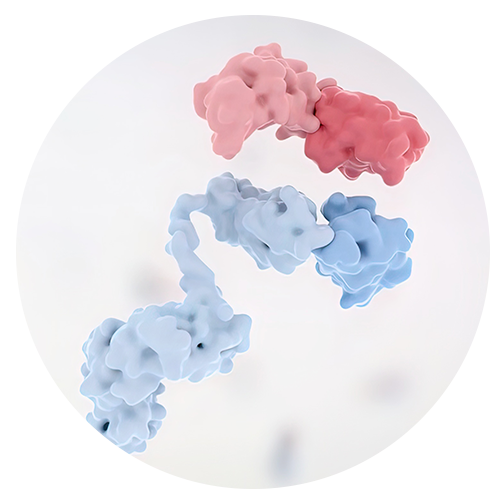
ELISA operates through its ability to achieve precise antigen-antibody binding which enables specific detection of microbial antigens and host antibodies. The binding reaction between antigens and antibodies allows researchers to detect specific microbial antigens and host antibodies while reducing non-specific interactions. The specific binding properties of antigens and antibodies in ELISA enable researchers to detect both pathogen-associated molecules (such as proteins or toxins) and host antibodies (such as IgM and IgG), offering a dual approach for infection-related research. The enzyme reaction produces measurable results after the complex formation between antigens and antibodies occurs.
The ELISA Kits from Solarbio use monoclonal or polyclonal antibodies, which provide specific antigen detection for microbial antigens to achieve better results with less background interference. The specific nature of these antibodies becomes essential when working with infectious samples, because it helps produce reliable assay results.

Enzyme-Linked Signal Amplification for Sensitivity
The detection signal becomes more detectable through enzyme conjugation:horseradish peroxidase (HRP), alkaline phosphatase (ALP), or other enzyme labels are conjugated to detection antibodies to amplify the signal, allowing for enhanced detection sensitivity. These enzyme labels catalyze substrate reactions to generate measurable colorimetric, chemiluminescent, or fluorescent signals. The substrate conversion reaction generates detectable colorimetric or chemiluminescent signals, which directly indicate the amount of target analytes present.
The Solarbio kits operate at low detection thresholds, enabling sensitive detection of target analytes in research samples.
These kits can assist researchers in studying early-stage infection models and pathogen-host interactions.
Quantitative Measurement Through Optical Density
The ELISA tests produce optical density (OD) signals which represent the amount of analyte present in the samples. Standard curves enable precise measurement of pathogen amounts in samples, which leads to meaningful results about infection-related models and immune system changes.
The Solarbio includes standard curves and controls in each kit for users to achieve better reproducibility and simpler operation.
Types of ELISA Used in Infection Diagnosis
The different ELISA formats serve different research purpose because they allow either direct pathogen identification or immune system assessment.
Direct ELISA for Rapid Pathogen Detection
The direct ELISA method involves immobilizing antigens on the plate surface, and then enzyme-linked antibodies bind directly to these antigens, enabling rapid detection of high-concentration pathogen markers. The method works best for microbial components that exist in large amounts and can be easily separated from other substances.
Solarbio provides direct ELISA formats for bacterial toxin and viral capsid protein analysis, which enable fast and simple detection of microbial antigens for research applications.
Indirect ELISA for Antibody Profiling
The test format detects antibodies which the host produces to fight pathogens. The test procedure starts with a primary antibody from the sample binding to pre-coated antigens before adding a secondary enzyme-linked antibody for detection purposes.
Sandwich ELISA for High Specificity and Sensitivity
The sandwich ELISA format employs two antibodies which bind to separate epitopes on the same antigen for capture and detection purposes. The dual-recognition system in this format provides better specificity and sensitivity.
The sandwich-based kits from Solarbio undergo performance evaluation using laboratory research samples to ensure reliable analytical performance for scientific studies, particularly for analysis of low-abundance biomarkers in challenging samples, such as serum, where careful sample preparation is essential.
Target Biomolecules Detected by ELISA in Infections
The Biomolecules Detected of infection-focused ELISA depends heavily on selecting appropriate targets for the test.
Pathogen-Specific Antigens as Analytical Markers
Pathogen-specific antigens used as analytical markers include proteins, toxins, and structural components (e.g., capsid proteins, viral glycoproteins, or bacterial exotoxins) that are unique to infectious agents. These markers can be detected early ininfection-related research models, enabling early detection of pathogen-related biomarkers in research.
Host-Derived Antibodies Reflecting Immune Response
The body produces Immunoglobulin M (IgM) to indicate early immune responses, while Immunoglobulin G (IgG) appears after prior exposure to an antigen. Researchers use antibody profile monitoring to assess immune response dynamics in experimental settings.
The antibody-detection kits from Solarbio contain high-affinity reagents which reduce cross-reactivity to produce reliable test outcomes from different research samples.
Cytokines and Inflammatory Mediators as Indirect Indicators
During systemic infections, including infection-related research models and viral research models such as SARS-CoV-2, the immune system produces elevated levels of pro-inflammatory cytokines, such as IL-6, TNF-α, and IFN-γ. These cytokines serve as indirect indicators of immune activation and inflammation.The measurement of these cytokines helps scientists understand the extent of immune system activation.
The cytokine kits from Solarbio work with multiplex assays and demonstrate validation in LPS-stimulated models which makes them appropriate for studying infection-related inflammation.
Sample Types Compatible With Infection-Focused ELISAs
Serum and Plasma for Systemic Biomarker Analysis
Blood-derived samples represent the best choice because they contain many biomarkers and follow established collection methods. The Solarbio kits provide optimized protocols for serum/plasma sample preparation, which enables laboratories to achieve consistent assay results.
Urine and Saliva as Non-Invasive Alternatives
Urine and saliva are valuable non-invasive samples for decentralized testing and research studies, although their sensitivity may be lower for some targets, especially in the early stages. They are particularly useful for monitoring analytes and immune responses in cases where blood sampling is not feasible. Solarbio provides non-invasive sample matrices which have proven performance data to deliver dependable results in research and laboratory settings.
Tissue Homogenates and Cell Lysates for Localized Infection Research
The analysis of tissue-specific samples from localized infection -related research models, such as lung and liver tissues, provides direct evidence about pathogen presence. The ELISA kits from Solarbio include tissue-compatible buffer systems which enable researchers to perform their infection-focused analysis.
Key Performance Parameters of Infection-Specific ELISAs
The evaluation of ELISA analytical parameters helps determine if the test system operates as expected when used in different environmental settings.
Sensitivity Determining Early Detection Capability
The ability of an assay to detect small amounts of analyte above background noise levels determines its sensitivity. Solarbio establishes its sensitivity benchmarks through extensive dilution series validation, which enables early-stage analyte detection in infection-related research models.
Specificity Ensuring Accurate Target Recognition
The highly specific assay technique reduces false positive results because it can distinguish between antigens with high structural similarity. Solarbio provides negative controls and blocking reagents which are designed to reduce background interference when working with complicated sample types.
Advantages of Using Commercial Kits From Beijing Solarbio
The implementation of pre-validated commercial solutions enables you to speed up your operations while maintaining both high-quality results and dependable performance.
Pre–validated Reagents Enhancing Experimental Efficiency
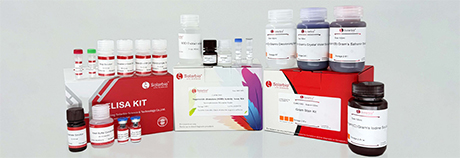
The use of ready-to-use components shortens the time needed for assay optimization. The assay kits contain pre-coated plates, standard curves, controls, and complete protocols, which simplify sample and reagent preparation.
Technical Support Facilitating Assay Troubleshooting
Solarbio provides expert consultation through its technical service channels, offering custom assay development services for specific targets and sample types in research applications.
Integration With Broader Molecular Biology Workflows
ELISAs work together with other molecular biology techniques to build complete infection research workflows.
Compatibility With Nucleic Acid-Based Detection Platforms
The combination of serological tests with PCR/qPCR analysis improves analytical performance in terms of sensitivity and specificity.
Application in Pathway-Specific Infection Research
The NF-κB and PI3K-AKT signaling pathways show altered activity patterns when cells experience infection-related stimulation. The combination of protein biomarker analysis with pathway investigation provides researchers with mechanistic understanding of the process.
Utility in Vaccine Research and Immune Monitoring
The evaluation of vaccine effectiveness in research settings requires scientists to measure specific IgM and IgG antibodies that recognize antigens. The analysis of cytokine profiles enables researchers to study how vaccines affect immune system responses following immunization.
FAQ
Q1: What is the main principle behind ELISA detecting infections?
A: ELISA detects pathogen-associated molecules or host immune responses through antigen-antibody specificity, while enzymes are used to generate amplified signals.
Q2: Which sample types are suitable for infection-related ELISAs?
A: The choice of sample type depends on infection model and target biomarker, and includes serum, plasma, urine, saliva, as well as tissue homogenates and cell lysates.
Q3: How can I ensure my ELISA results are reliable?
A: The platform provides validated commercial kits that include standard curves, controls, and detailed protocols to support reliable assay performance.
 Consult
 Whatsapp
 Leave Message
 top
top