




How Lactate Kits Reflect Cellular Glycolytic Activity Under Normoxic and Hypoxic Conditions
Table of Contents
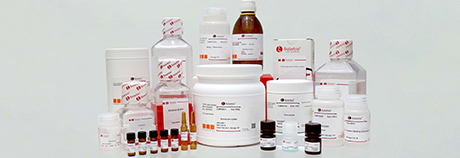
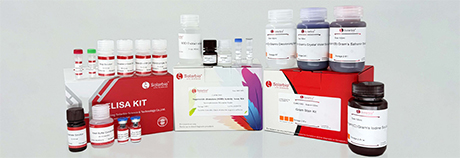
Measuring lactate plays a key role in studying cellular metabolism. It gives a clear view into glycolysis, particularly when oxygen levels vary. Cells change their metabolic paths depending on oxygen supply. Tracking lactate production helps understand these changes. Beijing Solarbio Science & Technology Co., Ltd. provides dedicated lactate kits and biochemical assay reagents. These tools enable dependable, high-quality measurements for research. Their products work well in experiments with different cell types and settings. This lets researchers spot small metabolic differences.

What Is The Role Of Lactate In Cellular Glycolysis?
Lactate functions as an indirect indicator of cellular glycolytic activity, reflecting the balance between glycolytic pyruvate production, mitochondrial oxidation capacity, and lactate export. When you watch lactate build up, you can judge how much cells handle glucose. You also see how they send pyruvate to paths without oxygen. In a switch from oxygen-using to oxygen-lacking conditions, lactate amounts go up. This shows stronger glycolysis even with little oxygen. Checking lactate offers a useful look at cell strain, energy needs, and metabolic performance. That is why using exact tools like Solarbio’s lactate kits can improve experiment trust and repeat results.
Lactate Production As An Indicator Of Glycolytic Flux
The level of lactate that a cell makes shows its glycolytic work. In usual oxygen settings, cells mainly use mitochondrial oxidative phosphorylation. They make little lactate then. But when glycolysis takes over, like in low-oxygen or fast-growing cells, lactate output grows. Solarbio lactate kits use careful biochemical detection ways. These catch even small flow changes. So, you can trust them to measure metabolic work precisely.
Metabolic Shift Between Aerobic And Anaerobic Conditions
Cells adjust to the amount of oxygen they get. In normoxia, glycolysis stays at a steady pace. It balances with mitochondrial ATP creation. But hypoxia causes a response. It boosts glycolysis and raises lactate levels. Following this change gives clues about disease examples, stem cell actions, or cancer metabolism. Solarbio’s lactate assay tools let you connect metabolic state directly to cell roles.
Importance Of Monitoring Lactate In Cellular Experiments
Exact lactate checks can tell normal cells from stressed ones. They help judge drug impacts and show hidden metabolic adjustments. This matters a lot in large-scale or long-term studies where repeat results count. Adding solid kits makes sure your data show real biology changes.
How Do Normoxic Conditions Affect Lactate Levels?
Under normoxic conditions, most differentiated cells preferentially route pyruvate into mitochondrial oxidation, resulting in relatively lower lactate accumulation, although measurable lactate production can still occur depending on glucose uptake and cellular metabolic state. This happens because most pyruvate goes into mitochondria for oxidative phosphorylation. Still, small shifts in lactate can point to early cell reactions to triggers or metabolic upsets. Good measurement tools help catch these details.
Baseline Glycolytic Activity Under Oxygen-Rich Environments
Even in normoxia, lactate might build up for a short time during strong glucose intake or quick growth. Keeping track of these base levels tells about energy balance and cell metabolism. Basic lactate kits often overlook these tiny changes. However, Solarbio’s lactate kits have the sharpness to find such slight moves.
Solarbio Lactate Kits For Accurate Normoxic Measurements
Solarbio lactate kits are based on enzyme-coupled biochemical reactions, typically involving lactate dehydrogenase systems linked to colorimetric signal generation. This brings exact counting. They fit with cell culture supernatants, serum, or tissue samples. So, they give options for your tests. Their strong focus cuts down on mix-ups from other substances. That is a usual issue in glycolysis work.
Data Interpretation And Experimental Controls
Base readings in normoxia act as checks when you look at hypoxic or treatment-caused changes. Good test planning, with side-by-side controls, makes sure lactate shifts show real metabolic moves. It avoids issues from test differences.
How Do Hypoxic Conditions Alter Lactate Production?
Low oxygen pushes cells to use anaerobic glycolysis. This leads to a big buildup of lactate. The change helps cells stay alive without much oxygen. But it also points to stress reactions. To record these patterns, you need sharp and steady tests.
Hypoxia-Induced Glycolytic Shift And Lactate Accumulation
Mitochondrial breathing slows down as oxygen drops. Then, pyruvate turns into lactate to keep NAD⁺ levels up. Watching lactate gives a live view of the glycolytic change and how much cells adapt. This is very important in cancer or blood flow lack studies.
Using Solarbio Lactate Kits To Detect Hypoxic Changes
These kits pick up quick lactate swings. They let you compare normoxic and hypoxic setups right away. Their wide straight range gives true counts at low or high levels. This supports strong metabolic outlines.
Linking Lactate Levels To Cellular Stress Responses
Elevated lactate levels often correlate with hypoxia-inducible signaling pathways, as both arise from oxygen-limited metabolic reprogramming rather than lactate acting as a direct upstream regulator. When you mix lactate info with other tests, you can break down how cells handle tough surroundings. This gives views on survival ways and possible treatment goals.
Why Choose Solarbio Lactate Kits For Research?
Picking the best kit affects how reliable your data is. Solarbio gives items with good sharpness and repeat results. They come with expert help and a wide list of reagents.
High Sensitivity And Specificity For Glycolytic Studies
The kits are set up to find low lactate amounts. They also stand up against mix-ups from other substances. This makes sure your checks show real glycolytic work.
Wide Range Of Biochemical Assays For Metabolic Research
Solarbio offers more than lactate. They have matching biochemical kits for glucose, ATP, pyruvate, and redox state. Using these together lets you build a full image of cell metabolism.
Comprehensive Technical Support And Service
Solarbio’s service site gives expert advice. You can fix test problems, get steps guidance, and adjust kits to your setups. This cuts down time on fine-tuning.
What Are The Practical Applications Of Lactate Kits In Metabolic Studies?
Lactate kits serve many uses. They help watch energy metabolism in cancer cells. You can test drug effects on glycolysis. They also aid work in stem cells and organoids.
Monitoring Energy Metabolism In Cancer Cells
Tumors depend a lot on glycolysis, even with oxygen around. Checking lactate helps measure this Warburg effect. It supports metabolic outlines and checks on treatments.
Evaluating Drug Effects On Glycolysis
Drugs aimed at glycolytic enzymes get checked by watching lactate levels. Solarbio kits give sharp readings to find small or fast changes in metabolic work.
Supporting Stem Cell And Organoid Research
Changes in metabolism affect how stem cells or organoids grow and change. Solid lactate tests let you follow energy patterns and improve growth setups.
Sample Preparation And Handling Best Practices
Skip repeated freeze-thaw steps. Spin samples to clear out bits. Keep steady culture conditions. These actions lower differences and boost correctness.
Choosing The Right Solarbio Biochemical Assay Kit For Your Experiment
Pick kits by detection span, sample kind, and volume needs. Solarbio’s product list has several types to match your test plans.
Ensuring Reproducibility And Accuracy In Measurements
Add inner checks and copy samples. Do regular tuning and follow kit steps closely. This lessens test noise. It helps you reach solid findings.
What Are The Future Trends In Cellular Glycolysis Research?
The area moves toward combined, large-scale methods. These map metabolic changes over cell types and setups.
Combining Lactate Kits With Multi-Omics Approaches
Tying lactate checks to transcriptomics, proteomics, and metabolomics brings deeper views. It shows metabolic control and cell adjustments.
High-Throughput Applications Using Solarbio Kits
Auto systems and 96-well setups speed up big studies. Solarbio kits work with these flows. They allow quick checks of compounds or gene changes.
Potential Insights Into Disease Mechanisms And Therapy Development
Watching glycolytic flow and lactate patterns can show disease signs in metabolism. It helps find treatment targets. Dependable detection in different oxygen setups is key for turning results into real help.
FAQ
Q1: How quickly can lactate levels change in cultured cells?
A: Lactate can build up in just minutes after metabolic changes. This happens especially in hypoxia or high glucose setups. So, regular sampling counts.
Q2: Can Solarbio lactate kits be used with both adherent and suspension cells?
A: Yes, the kits fit culture supernatants from both cell kinds. They give options for varied tests.
Q3: What sample types are supported by Solarbio lactate kits?
A: These kits handle serum, plasma, tissue samples, and cell culture supernatants. They cover many research uses.
Q4: Are Solarbio lactate kits suitable for high-throughput screening?
A: Yes, their setup works with multiwell plates and auto readers. This supports fast, big-scale studies.
 Consult
 Whatsapp
 Leave Message
 top
top