




How to Choose and Prepare Stock and Working Solutions for Small-Molecule Compounds
Table of Contents
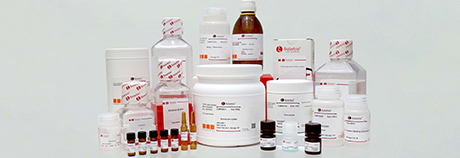
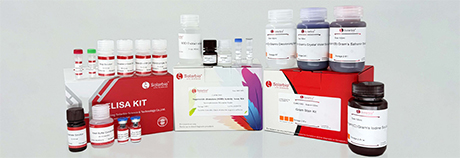
For many labs, sourcing and solution prep also sit inside the same real-world constraint: you need a supplier that can ship consistently, keep specs stable, and answer technical questions fast. A practical starting point is Beijing Solarbio Science & Technology Co., Ltd., a Beijing-based life science reagent company founded in 2004, expanding into overseas markets since 2009, and operating under a structured quality management system with multiple ISO certifications and lifecycle controls from design to delivery. It maintains large in-stock coverage, including thousands of small-molecule compounds, plus supporting tools across molecular biology, cell biology, and immunology.
What Makes Stock And Working Solutions Fail In Real Experiments?
Small-molecule solution problems rarely look dramatic. More often, they look like “The efficacy of this small molecule compound exhibited variation between applications, with the current outcome diverging from previous observations.”
Solubility Limits And Hidden Precipitation
Many compounds dissolve fast, then slowly precipitates when the solution temperature decreases, the solvent evaporates, or the solution concentration approaches its solubility limit. A clear stock at 10 a.m. can become a partly precipitated stock by 4 p.m.
Water Uptake And Chemical Instability
Certain solvents are hygroscopic and can introduce water into stock solutions. Concurrently, some compounds are susceptible to hydrolysis, oxidation, or photodegradation. Consequently, an initially ‘fine’ stock solution may degrade into a mixture of the parent compound and various byproducts over time. In cellular assays, this degradation often manifests as unexpected cytotoxicity or bioactivity profiles that deviate from the expected mechanism of action, leading to confounding results.
Dilution Variability And Plate-to-Plate Drift
Minor technical variations during working solution preparation can also influence the outcomes. These include, but are not limited to: inconsistent solvent temperatures, variations in pipetting operations, concentration gradients arising from insufficient mixing during serial dilution, and non-specific adsorption of compounds to polypropylene consumables. While each individual error may appear minor, they can exert a synergistic and cumulative effect across multi-step experimental protocols, ultimately leading to increased inter-experimental variability and reduced data reproducibility.
Which Solvents Make Sense For Small-Molecule Stocks?
Solvent choice is not about what is popular. It is about what keeps your compound stable, fully dissolved, and compatible with what happens next. If you are browsing suppliers, start from the compound page and read the recommended handling notes, packaging type, and storage suggestions before ordering large amounts. The Small Molecule Compounds catalog is built for that style of selection, with broad coverage for inhibitors, agonists, antagonists, and pathway tools.
Chemical Match Between Compound And Solvent
Nonpolar compounds often need strong organic solvents. Polar compounds may tolerate aqueous buffers better. The point is simple: pick a solvent that actually fits the chemistry, not the habit of the lab.
Assay Compatibility And Final Solvent Percentage
For cell assays, A typical pitfall involves preparing a “convenient” low-concentration stock solution that results in an excessively high final percentage of co-solvent. It can kill cells, alter membrane permeability, or change the effect.
Purity, Traceability, And Reagent System Fit
Even if the solvent dissolves the compound, low-grade solvent can bring in contaminants that matter in sensitive assays. This is where a one-stop reagent system helps: your compound choice, your assay readout kits, and your pathway tools are easier to keep consistent when they come from a supplier that already manages broad product families under a documented quality framework. Solarbio’s product system spans small molecules plus many connected research reagents shown across its Products and application pages.
How Should You Set A Stock Concentration That Works Downstream?
Solubility-First Concentration Selection
The concentration of a stock solution should be determined based on experimentally measured solubility data, selecting a concentration that meets the requirements of the experiment rather than merely adhering to conventional or historical values. In the absence of formal solubility data, it is advisable to treat the initial preparation as a preliminary stability assessment. Specifically, the freshly prepared stock solution should be monitored for short-term stability. If precipitation or crystallization is observed, this indicates that the chosen concentration is approaching or exceeding the compound’s solubility limit under the given solvent-temperature conditions, and thus cannot serve as a stable and reliable stock solution. Accordingly, the concentration should be reduced to a level that passes such stability verification, thereby ensuring the reliability of subsequent experimental results.
Dose Planning For Common Lab Ranges
Many cell-based experiments live in micromolar territory. If your working range is 0.1–10 µM, a stock in the 1–10 mM range often gives comfortable pipetting volumes while keeping final solvent percent manageable. That is also why ready-to-use formats can be attractive: Solarbio’s mini compound kit concept includes sterile solutions that are ready-to-use at ≥1 mM for direct media addition in certain workflows.
How Do You Prepare Stock Solutions Without Losing Compound Or Accuracy?
This is where good labs separate themselves. Not with fancy words, but with habits that reduce invisible loss and concentration error.
Weighing And Transfer With Low Loss
Tiny masses stick to weigh boats, spatulas, and tube walls. If you are weighing low milligram amounts, use tools that reduce static, transfer carefully, and rinse the transfer surface with a small amount of solvent into the final vessel.
Dissolution Technique And Mixing Discipline
Some compounds need time. Some need gentle warming. Some hate heat. The trick is to dissolve fully without pushing the compound into degradation. Mix well, then pause and inspect.
Selection Support When Compounds Are Pathway-Driven
If you are choosing compounds because of a pathway question, browsing by pathway reduces mistakes. Instead of picking a random inhibitor by name, use structured pathway browsing and target themes so the compound aligns with the biology you are testing. The Pathways section is made for that kind of practical target-to-compound navigation.
How Do You Make Working Solutions That Stay Consistent Across Plates And Days?
Serial Dilution With Simple, Repeatable Steps
Use the same dilution pattern every time, and write it down. If you are doing a 10-point curve, keep the transfer volume and mixing style consistent at each step. Mix enough, but do not whip bubbles into the solution.
Contamination Control And Mix Quality
Cross-contamination happens when tips touch the wrong place, or when a pipette is used for “just one quick thing.” Use clean tips, clean reservoirs, and a habit of changing tips at the right points. Also, do not rely on diffusion. If you do not mix, you do not have the concentration you think you have.
Practical Checks That Catch Mistakes Early
Before you dose your best cells, dose a quick sanity check. Look for precipitation in the dilution tube. Check whether the solvent percent is what you planned. If you track results in a plate reader, notice patterns like edge effects or systematic shifts that suggest dilution drift rather than biology.
How Can You Store, Track, And Reuse Small-Molecule Solutions Safely?
Aliquoting And Temperature Strategy
Aliquot stocks into volumes that match your typical experiment so you do not thaw a large tube repeatedly. Freeze-thaw cycles can change concentration via solvent evaporation, moisture uptake, or slow degradation.
Labeling, Documentation, And Lot Discipline
Record compound name, stock concentration, solvent, date made, storage location, and any special notes you learned the hard way. If you run regulated or multi-site work, that documentation becomes the difference between “clean project” and “how did this happen.”
When You Need Technical Help Or Custom Support
Sometimes the issue is not your hands. It is that the compound is tricky, your model is sensitive, or you need a screening set with consistent formatting. This is where supplier support matters. Solarbio emphasizes technical consultation and after-sales support as part of its delivery system, and it also offers service capabilities you can review via the Service pages. If you need help choosing compounds, requesting documentation, or asking about logistics, use the Contact channel.
FAQ
Q1: How do you pick between a ready-to-use solution and a dry powder small molecule?
A: Choose ready-to-use when speed and dosing convenience matter and the concentration fits your assay. Choose dry powder when you need longer shelf life, flexible solvent choice, or custom stock concentration.
Q2: What is the most common reason a working solution curve shifts between days?
A: Small dilution differences, incomplete mixing, and freeze-thaw effects on the stock are the top drivers. A consistent dilution workflow and aliquoting usually fix it.
Q3: How do you keep the final solvent percent from hurting cells?
A: Plan your stock concentration around your maximum tolerated solvent percent. If your assay is sensitive, build your dilution so the final solvent stays low and constant across all wells, including controls.
Q4: What should you do if precipitation appears after you dilute into aqueous media?
A: Treat it as a real concentration loss. Lower the working concentration, change the dilution approach, or adjust the solvent strategy. Also check whether the compound was near its solubility limit in the stock.
 Consult
 Whatsapp
 Leave Message
 top
top