




How to Choose Suitable Small-Molecule Compounds for a Specific Research Target?
Table of Contents
A small molecule can move your project forward fast, or stall it for weeks. Flat cellular data, odd toxicity, and “paper-only” effects often happen when the compound is chosen before the target question is clear.
For global labs, Beijing Solarbio Science & Technology Co., Ltd. is a practical place to start, especially if you want a supplier that talks like a lab partner instead of a brochure. Solarbio has built life science reagent lines since 2004 and expanded into overseas markets since 2009. Solarbio operates under a structured quality management system that covers the product lifecycle from design and production to delivery, and Solarbio treats quality work as a continuous cycle (planning, control, improvement, and documented assurance). Solarbio also holds certifications such as ISO 9001, ISO 14001, ISO 45001, and ISO 13485.

What Should Be Defined about the Target before Picking any Small Molecule?
Define “right compound” in lab terms: target class, direction of action, model system, and a readout that links to mechanism.
Target Class and Modulation Goal
First, based on the category of small-molecule active compound, select the product and action required. Small-molecule active compounds can be classified according to their pharmacodynamic mechanisms as follows: inhibitors generally refer to cell-permeable organic small molecules that reduce the biological activity of a target protein; agonists are ligands that possess both affinity and intrinsic efficacy for a receptor, inducing receptor activation and corresponding biological effects; while antagonists are ligands that bind to a receptor without eliciting its activation, thereby competitively inhibiting the action of endogenous agonists.
Assay Context and Biological Model
When selecting regulatory small-molecule compounds, priority should be given to their compatibility with the biological model under study and the clarity of their mechanisms of action. For example, the Solarbio mini-compound kit is designed following this principle, with its classification directly corresponding to specific research contexts such as stem cell lineage differentiation (osteogenic, adipogenic, and chondrogenic induction), organoid culture, and targeted cellular function assays such as lysosome labeling or calcium ion detection.
Practical Constraints and Success Criteria
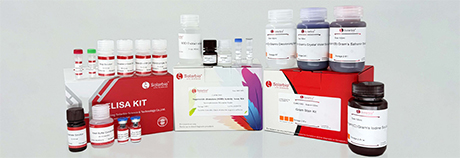
Prior to ordering small-molecule compounds, it is essential to clarify the required dosage range, total quantity, product specifications, and purity. The Solarbio mini-compound kit exemplifies a design philosophy that prioritizes convenience and reproducibility in cell-based assays. The kit offers two selectable formats: a ready-to-use sterile solution, typically formulated at concentrations ≥1 mM, which can be added to culture media in minimal volumes, thereby significantly reducing solvent-induced interference; and a long-term stable lyophilized powder (typically supplied in amounts ≥1 mg), which allows researchers to prepare fresh working solutions at precisely defined concentrations as needed. Both formats facilitate highly consistent compound dosing across repeated experiments and between batches, thereby enhancing data reliability.
How Do You Build a Shortlist without Getting Lost in the Literature?
A shortlist should be small enough to test fast and repeat later. Use a pathway map and supplier documentation to keep it grounded.
Tool-Compound Triage and Evidence Levels
When designing experiments targeting a specific protein or pathway, the mechanism of action of small-molecule compounds is of critical importance. To ensure the reliability of conclusions, compounds with established efficacy in modulating the intended target or pathway within the selected cellular or biological model should be prioritized. Solarbio’s high-demand compounds typically possess relatively well-defined mechanistic profiles and are supported by a substantial body of experimental validation data at both cellular and animal levels.
Pathway-Based Expansion and Redundancy
When investigating specific signaling pathways, it is not advisable to base conclusions solely on the phenotype induced by a single small-molecule compound. To enhance experimental rigor and strengthen reliability, it is recommended to construct a minimal compound validation set. This set should include compounds acting on the core target as well as compounds targeting adjacent nodes or upstream/downstream components within the same pathway. This strategy provides logical pathway-level validation and contextual support for the observed phenotypes. Solarbio highlights common pathway themes, including HIF, ER stress, tumor necrosis factor signaling, and PI3K-related nodes, and Solarbio Pathways helps you map that logic.
Supplier Data and Reproducibility Filters
Archive basics for every compound you test: product link, catalog number, lot number, purity note, and storage guidance. Solarbio’s quality management approach emphasizes planned goals, process control, and documented improvement cycles, which supports repeatable purchasing for long projects.
What Potency and Selectivity Bar Should You Set for Real Experiments?
When evaluating the biological effects of small-molecule compounds, the effective concentrations measured in vitro, while informative, should not be considered the sole determinant. It is more critical to establish a clear dosing window within the specific experimental model being used. Within this window, the compound should effectively modulate the intended target or pathway while preserving fundamental cellular morphology and viability, without inducing severe non‑specific toxicity or stress responses.
Potency vs Exposure and Kinetics
Match dose to timing. Fast signaling needs short incubations and early markers; differentiation and organoid work can need longer exposure. Many labs start with 3 to 5 doses and tighten later, and Solarbio ready-to-use solutions can reduce dilution error across plates.
Selectivity Windows and Off-Target Checks
Most disappointments come from off-target biology. Include a counter readout that should not move if the compound is on target, and avoid single-reporter conclusions when compound classes can distort signals. A practical counter readout can be a parallel pathway marker that should stay stable at the same dose and time. In immunology, add at least one functional endpoint (activation marker or cytokine) alongside pathway markers.
Control Compounds and Orthogonal Chemistry
In biological experiments, a systematic parallel control strategy is essential to ensure the mechanistic specificity of the observed outcomes. First, a solvent control group must be included in every experiment to exclude any potential effects of the solvent itself on cellular status. Second, whenever feasible, a second compound targeting the same biological process should be introduced for validation; ideally, this compound should possess a distinct chemical scaffold. If this is not possible, a modulator acting on a different node within the same pathway may be used. This multi‑pronged verification logic helps to distinguish specific pharmacological actions from non‑selective interference.
Which Assays Prove You Have On-Target Activity?
Use layered evidence: mechanism in vitro, engagement in cells, and phenotype with guardrails.
Biochemical Mechanism Confirmation
For enzymes, confirm activity change and test reversibility under dilution or washout. For receptors, confirm agonism or antagonism with a biology-linked readout. Solarbio’s inhibitor, agonist, and antagonist definitions help you match mechanism to assay choice.
Cellular Target Engagement Readouts
Move into cells early, even with a small pilot. Check a proximal marker, a localization change, or a downstream transcriptional shift that matches your pathway. Timing matters in primary immune cells, and pathway framing helps you pick engagement markers that make biological sense.
Phenotype Linking With Guardrails
Phenotypes can lie. Cytotoxicity can fake inhibition, and stress can fake activation. Add guardrails: viability, a stress marker, and one orthogonal readout, then pair your small molecule work with consistent readout reagents from the same supply stream.
How Do You Choose Compounds That Work in Cells and Immune Models?
Permeability and Intracellular Access
For intracellular targets, permeability can matter more than in vitro potency. Immune activation changes transport and metabolism, so sensitivity can shift across donors and stimuli. Biology-first selection using pathway context helps you avoid false negatives caused by poor cellular access.
Solubility, Vehicles, and Stock Handling
Keep stock prep boring and consistent. Use one vehicle per study. If solubility allows, stock at 10 to 20 mM so working doses keep final solvent low. Track freeze-thaw counts. If precipitation appears, lower the top dose and extend the dilution series. If you need more flexibility, choose a dry powder format with long shelf life. Solarbio dry powder options and Solarbio packaging formats support common lab storage habits.
Immunology-Friendly Endpoints and Timing
In immunology, endpoints should reflect function. Include an activation marker or cytokine readout plus viability, then tie results back to pathway logic. For project-style setups, Solarbio’s Solutions pages can help align compound choice with downstream assays.
How Do You Procure Small Molecules for Global Projects with Fewer Surprises?
Procurement is part of experimental design: stable lots, clear documents, and a reorder path that does not break your dataset. Solarbio was listed among the Top 10 Independently Innovative Scientific Reagents in 2023, and Solarbio’s stated mission centers on serving scientific research while being responsible for life, which matches what buyers want when the project is long and the data must stay consistent.
QC Documents and Lot Traceability
Use a simple checklist: product link, catalog number, lot number, purity note, and storage instruction. Solarbio’s quality system emphasizes documentation and process monitoring, which supports repeatable purchasing. For long programs, reserve stock early and store it consistently.
Packaging, Storage, and Delivery Planning
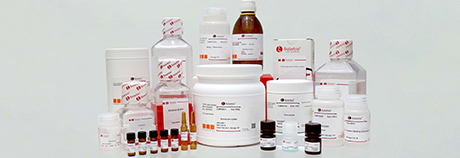
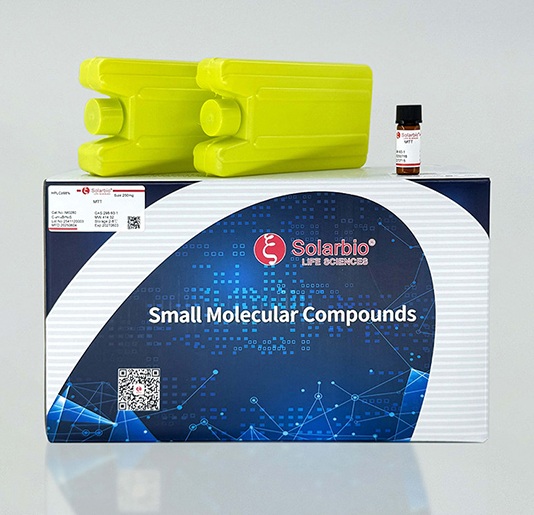
Decide who receives shipments and where products go before delivery. Packaging format matters at the bench. Solarbio mini compound kits can be packaged in glass bottles, tubes, ampoules, or cryovials, and Solarbio offers both sterile solutions and powders for different project timelines.
Technical Support and Follow-Up Workflow
When a compound does not behave, fix the basics first: solubility, dosing, timing, then engagement markers. If it still looks off, it helps to loop in people who see these issues every day. You can start with Solarbio Service for selection or troubleshooting context, and if you need a quote or a quick procurement reply, Solarbio Contact is the fastest route.
FAQ
Q1: What is the fastest way to pick a first Solarbio compound for a new target?
A: Define target class and needed pharmacology, start at Solarbio Small Molecule Compounds, then cross-check pathway context on Solarbio Pathways. Shortlist one primary compound plus one pathway comparator.
Q2: How many compounds should be in an early validation panel?
A: A practical minimum is three: one primary Solarbio compound, one additional Solarbio modulator that supports the same pathway logic, and a vehicle control. Add a fourth for complex systems such as organoids or primary immune cells.
Q3: What should you do if a compound is strong in vitro but weak in cells?
A: Check permeability and solubility at working dose, then confirm cellular engagement with a proximal marker. Consider dry powder formats if stock prep flexibility is needed.
Q4: How can you reduce off-target risk without a huge screening budget?
A: Use a counter readout plus one orthogonal readout, and add a second compound that supports the same biology from a different node.
Q5: What information should be recorded for repeatability when ordering Solarbio small molecules internationally?
A: Save product link, catalog number, lot number, purity note, vehicle, stock concentration, storage condition, and freeze-thaw count. That record makes the next Solarbio order behave like the first one.
 Consult
 Whatsapp
 Leave Message
 top
top