





How to Choose the Right Lab Reagents and Equipment for Accurate Laboratory Results
Table of Contents
Within the rigorous field of life science investigations, the validity of data corresponds directly to the performance of the instruments employed in its generation. In areas such as in vitro diagnostics, fundamental biotechnology studies, or analyses of complex biological mechanisms, precision in the laboratory forms the fundamental foundation for significant advancements. The reliability of experiments relies substantially on the quality of reagents and apparatus utilized. The use of substandard materials results in inconsistent findings, the inefficiency of repeated trials, and considerable waste of valuable research resources. The grade of reagents directly affects the reproducibility of experiments and the credibility of data obtained.
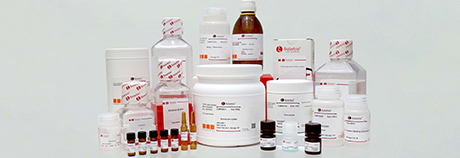
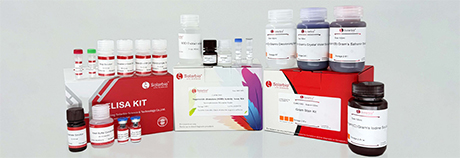
Since 2004, Beijing Solarbio Science & Technology Co., Ltd. has served as a core research support provider for investigators. It integrates research and development, manufacturing, and technical services to deliver high-quality scientific research reagents and equipment. Its extensive product portfolio encompasses biochemical reagents, ELISA kits, and antibodies. This portfolio has facilitated the publication of approximately 150,000 influential academic papers. To maximize efficiency during laboratory sessions, it is necessary to master the methodology for selecting appropriate materials.
Why Are Lab Reagents and Equipment Critical for Accurate Laboratory Results?
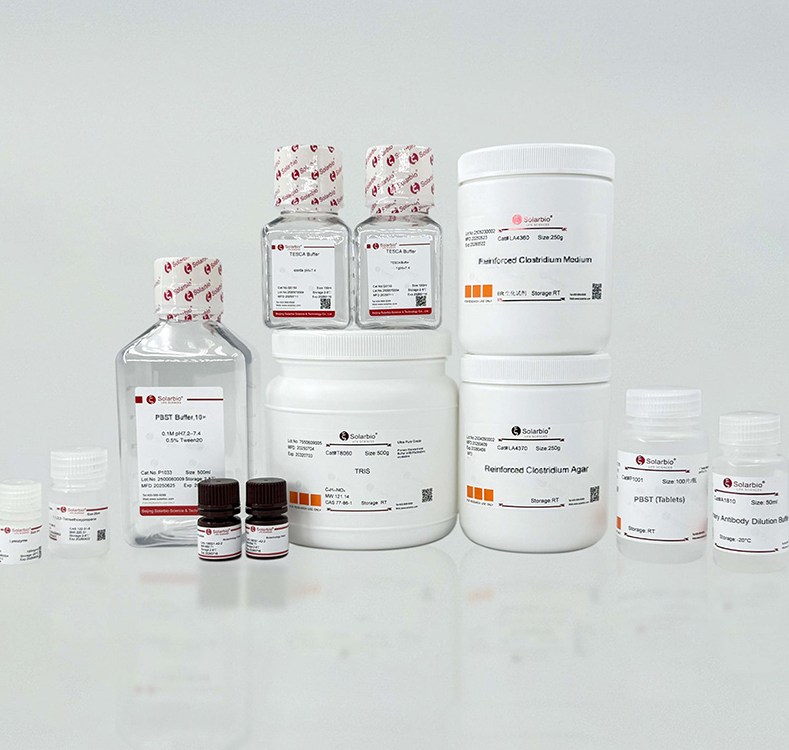
Opting for an inappropriate grade of chemical reagent or an improperly calibrated detector can disrupt extended periods of diligent effort. When pursuing quality improvement, oversight of the complete sequence from conception to provision proves essential. This approach extends beyond mere guidelines. Instead, it involves an active process of preparation, oversight, and refinement. Such measures maintain research competitiveness and adherence to experimental criteria.
The Role of Reagent Purity and Stability in Experimental Accuracy
Purity and stability function as the key factors influencing experimental conclusions. Degraded reagents or those contaminated can generate misleading results. They may also induce inconsistent reactions, rendering data interpretation difficult. Biochemical reagents are mainly classified based on purity and application into Guaranteed Reagent (GR), Analytical Reagent (AR), Chemical Pure (CP), and specialized grades. Among them, GR features the highest purity and is suitable for trace analysis and precision experiments; AR is a general-purpose reagent for routine laboratory analysis; CP is mostly used for general synthesis and preparation. In addition, there are specialized reagents including Biochemical Reagent (BR), molecular biology grade, chromatographic grade, spectroscopic grade, IVD diagnostic grade, and cell culture grade, which are applicable to corresponding professional fields such as biochemical reactions, molecular experiments, chromatographic and spectroscopic detection, in vitro diagnosis, and cell culture respectively. Different grades are matched with different application scenarios in terms of impurity control, biocompatibility, sterility, enzyme-free properties and other indicators.
How Laboratory Equipment Influences Data Reliability
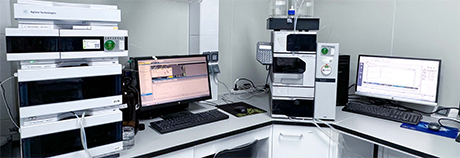
Instruments such as spectrophotometers and microplate readers serve as the core detection tools of the laboratory. They interact directly with reagents during biochemical assays. Proper calibration of equipment, combined with compatibility with the kit’s chemical composition, greatly enhances experimental reproducibility. This relationship follows a straightforward principle: superior apparatus paired with standardized reagents yields reliable data.
Reagents Supporting Reliable Research
Specialized biochemical reagents are available, tailored for enzyme activity assays and metabolite identification. These reagents address processes from carbohydrate metabolism to oxidation-reduction reactions. Consequently, they enable the exploration of signaling pathways and antioxidant studies.
What Common Problems Occur When Using Low Quality Laboratory Reagents?
Reducing expenses on reagent procurement frequently yields negative consequences. Initial perceptions of financial savings prove misleading. The expenses associated with unsuccessful attempts consistently surpasses such gains. Inferior supplies generate numerous technical difficulties. These can halt project advancement for several weeks.
Inconsistent Experimental Results
Batch-to-batch variability represents the primary cause. An assay may succeed one day and fail the next, despite identical experimental conditions. Reagent degradation and contamination are common in the absence of rigorous quality assurance.
Choose Reagents With Strict Quality Control Systems
Sourcing from suppliers with stringent management certifications (e.g., ISO 9001 and ISO 13485) offers the optimal method to mitigate these challenges. A robust Quality Management System (QMS) incorporates continuous monitoring. Techniques such as In-process Quality Control (IPQC) and Statistical Process Control (SPC) identify data variations, thus ensuring consistent operational performance.
Recommended Reagents for Stable Experimental Performance
Researchers frequently select metabolism-related kits or protein quantification assays (including the BCA protein assay) for consistent experimental results. In ELISA applications, high-sensitivity TMB substrate reagents substantially improve the signal-to-noise ratio. These reagents are fundamental laboratory essentials, cited in top-tier journals such as Nature Medicine and Cell (with impact factors as high as 82.9).
How to Select the Right Biochemical Reagents for Your Research Application?
Alignment of reagents and instruments with research objectives is critical. A reagent suitable for basic theoretical research may fail to meet the rigorous requirements of diagnostic reagent development or biological product manufacturing.
Match Reagent Type With Experimental Objectives
The focus on enzyme activity or specific analyte detection dictates the reagent selection. A rate method for continuous detection or an endpoint method may be adopted based on the experimental objective. Samples ranging from soil and animal tissue to serum require customized reagent formulations adapted to the specific matrix.
Evaluate Reagent Grade, Purity, and Shelf Life
Avoid random selection of available reagents. Analytical grade reagents are essential for establishing standard curves or compositional analysis in food and environmental testing. Shelf life also requires careful verification: dry powder reagents typically exhibit a longer shelf life relative to prepared sterile liquid reagents.
Reagent Categories for Diverse Research Needs
The range of biochemical reagents is comprehensive. Specialized reagent series are available for carbohydrate metabolism studies, including gluconeogenesis and the tricarboxylic acid cycle. Reagents for redox metabolism include those targeting antioxidants and glutathione metabolism. The energy metabolism reagent series covers the mitochondrial respiratory chain. Together with nitrogen metabolism and amino acid metabolism reagent series, these constitute the core reagent portfolio for metabolic research.
How to Choose Reliable Laboratory Equipment for Biochemical Experiments?
Even high-quality reagents cannot compensate for defective equipment. Laboratory equipment requires a level of precision matching that of the reagents used in conjunction with it.
Compatibility Between Instruments and Reagents
Upon procuring an assay kit, verify the corresponding detection instruments required. Most biochemical assay kits are compatible with spectrophotometers or microplate readers. Assay requirements for specific wavelengths or two-point methods necessitate equipment capable of precise parameter regulation.
Precision, Calibration, and Quality Certification
Equipment compliant with international standards is preferred. The use of pH calibration solutions, conductivity reference standards, and viscosity reference materials is essential for optimal instrument maintenance.
Integrated Experimental Workflows
Experimental efficiency is enhanced when reagents are compatible with standard laboratory hardware. Unified reagent and equipment systems enable reliable experimental performance and consistent supply. The establishment of distribution centers in key regions such as Shanghai and Guangzhou improves logistics efficiency. Evaluation of integrated solutions ensures their compatibility with existing laboratory setups.
How to Identify a Trusted Laboratory Reagent Supplier?
A large number of distributors are available in the market, making it a significant challenge to identify reliable suppliers. An ideal supplier possesses a thorough understanding of the scientific principles behind its products, going far beyond mere product distribution.
Supplier Reputation and Scientific Validation
Publication citations serve as a key indicator. Suppliers whose products are cited in thousands of SCI publications (including Nature, Science, and Cell) have obtained recognition from the international scientific community. The citation of products such as rabbit anti-mouse IgG and specific staining kits in Cell Research demonstrates their applicability for similar research projects.
Quality Certifications and Production Standards
Verification of certification documents is essential. Reliable suppliers hold a full range of authoritative certifications, such as ISO 14001 for environmental management and ISO 45001 for occupational health and safety. These certifications reflect a commitment to standardized corporate operations, which extends beyond the quality of the final products themselves.
Why Researchers Choose Beijing Solarbio Science & Technology Co., Ltd.
Quantitative data validates this preference among researchers. The company keeps over 100,000 research reagents in stock year-round. Its products were cited in more than 18,000 SCI articles in 2023, establishing a proven track record of reliability. The company’s comprehensive product portfolio covers from recombinant proteins to small molecule compounds, catering to research needs in molecular biology, cell biology, and immunology.
How Do Integrated Life Science Solutions Improve Experimental Accuracy?
Procurement from a single source occasionally ensures precision most effectively. Unified solutions diminish variables arising from combining various brands.
One Stop Laboratory Reagent and Solution Platforms
A “one-stop” strategy means that antibodies, kits, and buffers function seamlessly. This reduces the risks of cross‑reactivity or buffer incompatibility, which greatly improves the accuracy, reproducibility and reliability of results.
Integrated Product Ecosystems
A comprehensive ecosystem includes over 36,000 molecular biology products and more than 18,000 antibodies. In addition, over 700 staining reagents support pathological and cellular analyses. Nearly 9,000 small molecule compounds, including inhibitors and agonists, complete the product portfolio.
Best Practices for Selecting Lab Reagents and Equipment for Long Term Research Success
Prioritize Quality Over Initial Cost
The appeal of low-cost options is often tempting. However, subpar reagents that require a month of rework outweigh any potential savings. Reagents with scientific quality control represent an investment in research reliability.
Build Standardized Experimental Workflows
Records of batch numbers and storage conditions require careful maintenance. Professional suppliers provide standardized documents such as SOPs and COAs, which help ensure experimental consistency.
Partner With Professional Reagent Providers
Reliable suppliers offer more than just reagent sales. They provide professional technical support and after-sales service. Custom technical services such as primer synthesis and antibody production benefit from more than 15 years of professional expertise.
FAQ
Q1: What factors should be considered when choosing laboratory reagents? A: A: When selecting laboratory reagents, multiple key factors must be considered to ensure the accuracy and reliability of experiments. First is the purity grade: different experiments require appropriate grades (e.g., guaranteed reagent for trace and precision analysis, analytical reagent for routine laboratory analysis, and molecular biology grade for nucleic acid and cell experiments). Second is compatibility with the experimental system: reagents must match consumables, instruments, and reaction conditions to avoid deviations caused by system incompatibility. Third is quality and batch-to-batch consistency: reagents must undergo strict quality control to ensure stable performance across different batches. In addition, storage conditions, expiration dates, and after-sales technical support should also be taken into account to ensure smooth experimental operation.
Q2: Why are biochemical reagents important in life science research? A: These serve as essential tools for enzyme activity assays and analyte identification in samples including tissues, cells, and serum. They enable analysis of metabolic pathways and understanding of disease mechanisms.
Q3: How can high quality reagents improve experimental reproducibility? A: Production under ISO-certified systems reduces batch variability. Stringent quality control and standardized testing ensure consistent reagent performance across experiments.
Q4: How do I know if a supplier is reliable? A: International certifications such as ISO 9001 should be verified. A high number of citations in authoritative SCI journals reflects reliability. Established in 2004, the supplier demonstrates long‑term stability and professional expertise.
 Consult
 Whatsapp
 Leave Message
 top
top