





Operational Considerations When Selecting Cell Assay Reagents
Table of Contents
In today’s cellular studies, picking suitable cell assay reagents plays a vital role. This choice affects the accuracy and repeatability of your tests. These reagents impact the identification of important cell functions like survival, cell death, stress from oxidation, and growth. For tasks such as drug testing, examining disease processes, or assessing gene activity, you must match reagent choices to exact biological, practical, and supply needs.
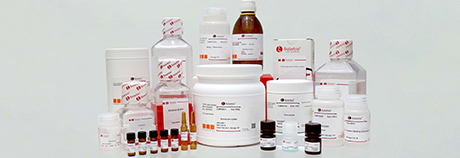
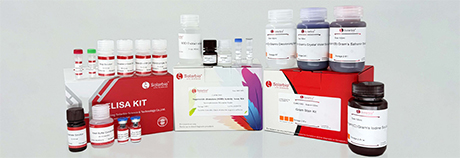
A full-service supplier like Beijing Solarbio Science & Technology Co., Ltd. operates multi-technology platforms covering antibodies, recombinant proteins, ELISA kits, cell detection kits, and more, supported by an efficient warehousing and logistics network and multiple management system certifications.
Key Parameters for Selecting Cell Assay Reagents
Choosing the right reagents calls for checking several biological factors. This helps guarantee they fit your test setup well.
Compatibility With Target Cell Type
Your cells’ natural setting should guide your reagent picks. The reagents need to work with the special traits of your cell model, including how they stick, their energy use, and their shape. Moreover, these kits are widely used for readouts such as viability, apoptosis-related changes, and oxidative stress indicators. However, assay performance can vary across cell lines and culture conditions, so it is recommended to verify the recommended cell types, seeding density, and incubation time stated in each product protocol before formal experiments.
Sensitivity and Detection Range
To spot small changes in biology and get solid measurements, you need reagents with good sensitivity and wide detection limits. You benefit from high sensitivity, specificity, and stable performance across batches. This lets you detect rare targets. At the same time, it keeps results steady across repeated tests.
Reagent Stability and Shelf Life
The lasting quality of reagents over time helps maintain steady test outcomes. Solarbio gives clear details on storage and expiry for each kit. Storage conditions and shelf life vary by reagent type, so each kit should be stored strictly according to its datasheet (for example, refrigerated storage, frozen storage, and/or light protection depending on the components). Clear documentation helps laboratories plan inventory and reduce performance drift caused by improper storage.
Operational Efficiency in Reagent Preparation and Handling
Time limits and volume needs make work flow a major point in choosing reagents. The best option backs standard processes and cuts down on manual effort.
Ease of Use in Routine Laboratory Workflows
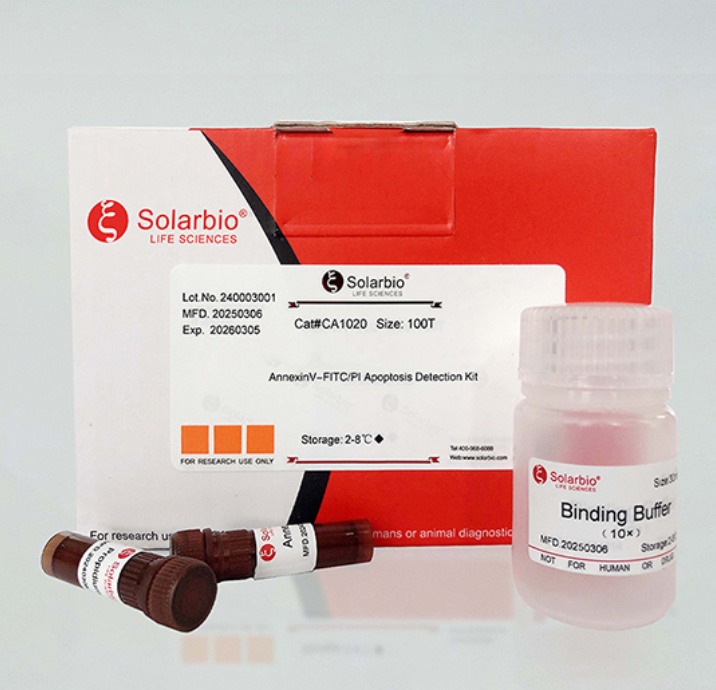
Kits ought to have pre-mixed parts that lower differences and speed up preparation. Solarbio’s Cell Detection Kits come with exact amounts of components. This cuts down on mistakes from pipetting. Plus, the steps are laid out simply. With standardized components and stepwise protocols, these assays can be easier to integrate into routine or semi-automated workflows, although instrument-specific optimization (pipetting programs, incubation timing, and readout settings) is still recommended.
Batch-to-Batch Consistency
Steady results in tests rely on even reagent quality. Solarbio applies strict checks to keep reagent makeup the same.
Storage Requirements and Logistics
How long reagents last and the temperatures they need affect planning for resources. Most Solarbio kits stay good at 2–8°C. This makes cold storage simpler. Also, their small packaging aids smart storage in busy labs.
Assay Compatibility With Detection Platforms
The detection tool you use—such as fluorescence microscopes, flow cytometers, or plate readers—shapes your reagent choice. Matching ensures the best signal capture and correct data reading.
Suitability for Fluorescence-Based Detection Systems
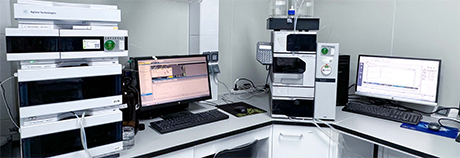
Make sure the light excitation and emission patterns fit your equipment. Solarbio supplies fluorescence-compatible kits suitable for use with flow cytometers and microplate readers. Depending on the fluorophore combinations and instrument channels, some workflows can be configured for multi-parameter readouts. In practice, spectral overlap, compensation, and staining order should be validated to avoid cross-talk.
Adaptability to High Throughput Screening Formats
When scale matters, reagent setups must match multi-well plates. Many cell assays can be scaled to multi-well formats (such as 96-well and, where applicable, 384-well workflows) by proportionally adjusting volumes, cell numbers, and readout settings while controlling edge effects and background. With little background noise, these speed up getting trustworthy data in screening tasks.
Integration With Imaging-Based Analysis Tools
For studies of cell parts’ locations, color-changing substrates should give clear, sharp signals in confocal or widefield microscopes. Solarbio kits suit confocal and widefield imaging tools. The clear signals improve detail in spotting inside-cell events like changes in mitochondria or steps in cell death.
Biological Specificity and Functional Relevance of Reagents
How specific a reagent is decides if the test truly shows the biology you’re studying. It avoids unwanted reactions or extra noise.
Target Selectivity Within Cellular Pathways
Probes or antibodies with strong binding cut down on side effects. Solarbio offers kits aimed at specific paths like cell death and stress from oxidation. This focus lets you examine exact signal chains reliably.
Compatibility With Live Cell Versus Fixed Cell Assays
Based on your plan—watching in real time or fixing at the end—you might need varied labeling methods. Solarbio provides dyes that work with live cells and probes that hold up after fixing. This range fits ongoing studies or fixed shape checks from one source.
Validation Against Known Biological Controls
To make sure outcomes are trustworthy, you need good controls in every test. To strengthen interpretability, each assay should be run with well-defined positive and negative controls. Depending on the kit design, controls may be included or recommended in the protocol, and laboratories should prepare any required control treatments accordingly.
Regulatory Compliance and Documentation Support
In controlled settings or for data ready for publishing, full records are a must. Your reagent maker should help with rules through clear info and advice from experts.
Availability of Technical Data Sheets and Protocols
Full guides speed up fine-tuning steps and ensure proper methods. Solarbio shares online protocols with clear handling tips for reagents. They also have sections to fix common test problems.
Support for Good Laboratory Practice (GLP) Standards
Standards you can track in making reagents count in rule-based work. This supports documentation and traceability requirements commonly used in GLP- or ISO-aligned laboratory environments.
Access to Technical Support and Consultation Services
When shifting assays or adjusting processes, advice from pros is key. You can get focused help through the service portal. Or, contact them straight via the contact page.
Cost Considerations in Assay Planning
Budget limits call for smart planning in growing tests or setting up several labs. The balance of output to cost should steer your buying choices.
Budget Alignment With Experimental Scale
Weigh the cost per run against your volume goals. Solarbio’s fairly priced kits scale up without losing quality. They work for small trials and big screening efforts alike.
Total Cost of Ownership Including Consumables
Extra costs from making buffers or buying more items can raise spending. Solarbio packages cover needed parts. This cuts extra buys. Simple supply paths also lower daily costs.
Value Derived From Performance Versus Price
Reagents that cut down on failed runs naturally reduce costs from redoing tests. Solarbio mixes low cost with strong test results checked by specialists. Better processes also shorten work time per data point.
Product Portfolio Diversity From Beijing Solarbio Science & Technology Co., Ltd.
A broad product list eases getting what you need. It supports full projects without changing suppliers partway.
Range of Assay Types Supported by the Company
This covers cell death detection, ROS checks, assays for mitochondrial membrane potential, and more. They apply to cancer biology, immune work, brain studies, and poison testing. Access them through the Products area.
Customization Options Based on Research Needs
If you want large amounts or changes to formulas for your own processes, options exist on request. Reach out via Solarbio’s contact links here.
Integration With Broader Research Solutions From Solarbio
Reagents for molecular biology, biochemistry, immunology, and small molecule screening all come from one place. This smooth link boosts steady results and cuts paperwork. Check complete options at the official solutions portal.
FAQ
Q1: What makes a cell assay reagent compatible with specific cell types?
A: Compatibility hinges on how effectively a reagent matches the sticking traits, shape, and energy patterns of your selected cell line.
Q2: How can I ensure my reagents will work with my fluorescence platform?
A: Verify that the light excitation and emission ranges align with your device setup. Many kits get pre-checked for usual tools like flow cytometers and microplate readers.
Q3: Are live-cell compatible assays available?
A: Yes, numerous reagent makers supply tracers for live cells and probes that fix well. These suit ongoing tracking or final checks.
 Consult
 Whatsapp
 Leave Message
 top
top