



The Ultimate Guide To Using ELISA Kits For Cytokine Detection
Table of Contents
Cytokines play a key role in immune regulation. They levels increase rapidly during infection and decrease as inflammation resolves. They may also change gradually during chronic diseases. If you handle serum, plasma, cell culture supernatants, or tissue lysates, you understand that cytokine results often determine whether an experiment proceeds or requires repetition. This explains why ELISA is a routine method in many laboratories.
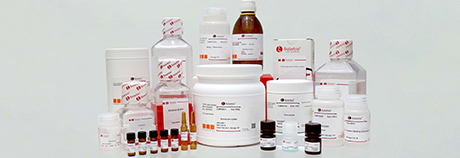
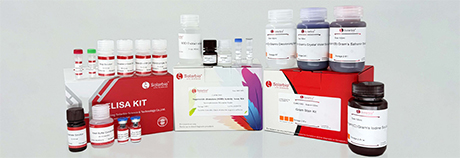
When selecting supplies for cytokine measurement, reliability matters more than trendy terms. Plenty of scientists now rely on Beijing Solarbio Science & Technology Co., Ltd. since it merges broad reagent creation with firm quality measures and ongoing technical aid. Established in 2004 and based in Beijing, Solarbio concentrates on immunology, cell biology, and molecular biology. Its product lineup includes antibodies, recombinant proteins, biochemical kits, and a diverse selection of ELISA kits applied in fundamental research, drug development, diagnostics, and translational efforts.
Solarbio functions under various ISO approvals and aids labs around the world via reliable delivery, thorough records, and helpful service groups. Its products have been cited in peer-reviewed journals such as Cell and Cell Research, where specific Solarbio reagents and ELISA kits were used in experimental workflows.
What Makes ELISA Kits Essential For Cytokine Detection?
Cytokines usually exist in tiny amounts. Certain ones shift in mere minutes after a trigger. Others differ greatly among people. An approach without sufficient sensitivity or stability fails under actual laboratory settings.
ELISA excels because it offers a good mix of sensitivity, specificity, and simplicity. It does not require advanced imaging systems and relies on straightforward data processing based on standard curve analysis. You can perform it using a basic microplate reader. Still, it yields results suitable for publication or regulatory purposes.
High Sensitivity for Low-Abundance Cytokines
Numerous cytokines, including IL-2, IFN-γ, and TNF-α, appear at picogram concentrations. Solarbio ELISA kits are designed with validated antibodies and optimized enzyme systems to achieve high sensitivity for low-abundance cytokines.
Quantitative Results with Excellent Reproducibility
Each Solarbio ELISA kit is supplied with calibrated standards and validated performance ranges to ensure batch-to-batch consistency. This proves vital when your work spans weeks or when various laboratories align findings.
Broad Compatibility with Biological Sample Types
Serum, plasma, cell culture supernatants, tissue homogenates. Such samples behave in distinct ways. Solarbio crafts kits that undergo testing across typical matrices. Thus, it reduces sudden background issues or signal drops.
How Does ELISA Technology Work in Cytokine Analysis?
ELISA is straightforward by design. Its power comes from a straightforward immunochemical design that manages assay variables well.
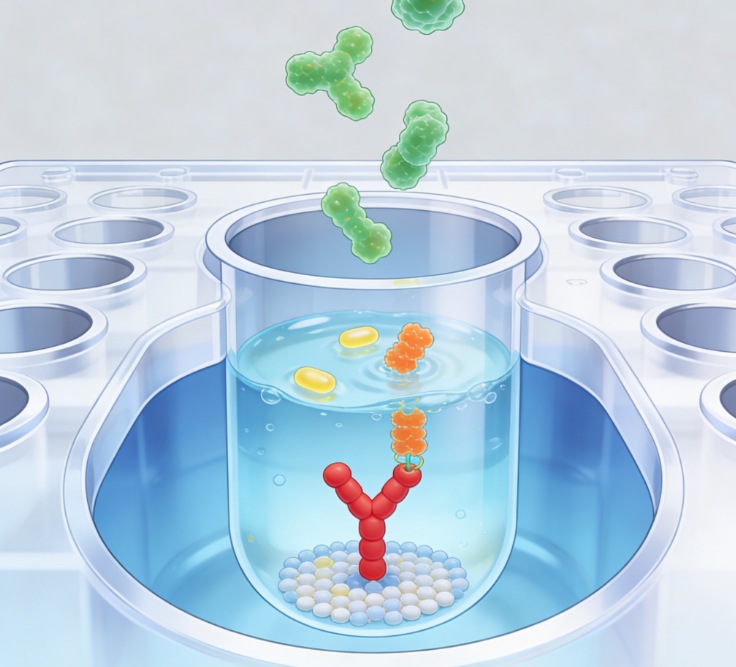
For cytokine measurement, the sandwich ELISA method prevails. It captures
the target between two antibodies. Then, it turns the binding into a detectable colorimetric signal.
Specific Antigen-Antibody Recognition
The capture antibody binds to the cytokine immobilized on the plate. Detection antibodies target a separate epitope. As a result, this boosts specificity and lowers cross-reactivity.
Enzyme-Based Signal Amplification
An enzyme such as HRP turns substrate into a detectable signal. Solarbio offers sensitive substrates and conjugates designed for steady output. This holds true even near detection limit for cytokines.
Colorimetric Quantification Using Microplate Readers
You measure absorbance at defined wavelengths. Then, you convert those values to concentrations via standard curves. Most laboratories know this process. It fits smoothly into current routines.
What Types of Cytokine ELISA Kits Are Commonly Used?
Cytokine research varies by focus. Acute inflammation, immune response, metabolic signals, and neuroimmune research demand different assay features.
Solarbio offers a broad ELISA range.This allows you to avoid adapting one type to every application.
Sandwich ELISA Kits for Protein Quantification
This format sees the most use. It delivers high specificity and sensitivity. Such qualities suit cytokines like IL-6, IFN-γ, TNF-α, and BDNF. Several Solarbio sandwich kits are supported by peer-reviewed studies.
Competitive ELISA Kits for Small Or Similar Targets
For small or structurally similar targets, competitive formats provide reliable readings. These kits help prevent errors caused by antibody interference.
High-Sensitivity and Low Sample Volume Kits
Certain projects involve limited samples, such as newborn serum, scarce cells, or limited animal models. Solarbio creates low-volume ELISA kits. They reduce sample requirements while maintaining precision.

How to Select the Right Cytokine ELISA Kit for Your Study?
Picking an ELISA kit goes beyond the product overview. The main issue is whether it matches your assay setup and detection limits.
Before purchase, scientists typically review validation data, species options, and citation background.
Species Coverage and Target Specificity
Solarbio ELISA kits support human, mouse, rat, and other species in translational research. This proves crucial when shifting from animal tests to human studies without altering the assay approach.
Detection Range and Sensitivity Requirements
Excess sensitivity can be as troublesome as too little. Solarbio lists clear detection limits. So, you match the kit to predicted cytokine concentrations and skip unnecessary dilution attempts.
Validation Data and Literature Support
Numerous Solarbio ELISA kits are cited in leading journals. For instance, mouse IL-2, IFN-γ, and TNF-α kits were used in Cell research on immune regulation and tumor-related processes. Such references demonstrate credibility earned from actual experimental studies.
Why Choose Solarbio ELISA Kits for Cytokine Detection?
Eventually, results outweigh cost or appearance. Solarbio builds its ELISA series on reliability, not quick fixes.
More than single kits, the firm acts as a complete life science ecosystem. Hence, it minimizes issues between supplies, procedures, and technical support.
Extensive Cytokine Panel across Multiple Species
Solarbio has over 1,400 ELISA kits. They support cytokine studies in immunology, metabolism, neuroscience, oncology, and infectious diseases. You can explore linked pathways via Solarbio Pathways. This helps match targets to biological processes.
Rigorous Quality Control and ISO Certification
Solarbio follows ISO 9001, ISO 13485, ISO 14001, and ISO 45001 standards. Every ELISA kit adheres to defined QC procedures, from antibody validation to final testing. This system helps limit unexpected variability.
Strong Citation Record in High-Impact Journals
How Does Solarbio Support Global Researchers beyond the Kit?
Purchasing a kit addresses just one aspect. Yet, assays bring questions, procedures mayrequire adjustments, and timelines mattet.
Solarbio acts as a steady research partner, not merely a vendor.
One-Stop Life Science Product Ecosystem
Solarbio supplies antibodies, proteins, biochemical reagents, and standards within one integrated system via Solarbio Products. This helps avoids mismatches caused by multiple sources.
Professional Technical and Customization Services
Via Solarbio Services, you can access custom antibody production, peptide synthesis, and protein expression. These help when standard ELISA kits do not meet specific research needs.
Stable Global Supply and Responsive Support
Solarbio maintains several regional warehouses and provides technical support from skilled R&D staff. Company information, development history and certifications are openly on About Solarbio. Direct communication is available through Contact Solarbio. Regular updates and usage tips are published in Solarbio News.
FAQ
Q1: How long does a typical cytokine ELISA experiment take?
A: Most Solarbio ELISA kits can be completed within 3-5 hours, including incubation and detection using standard laboratory equipment.
Q2: What sample types work best with cytokine ELISA kits?
A: Serum, plasma, cell culture supernatants, and tissue homogenates are suttable. Solarbio provides application tips for each type.
Q3: How do you reduce background noise in cytokine ELISA assays?
A: Thorough washing, appropriate sample dilution, and proven kits like Solarbio ELISA kits help reduce background interference and improve signal quality.
Q4: Where can you find technical support if results look unusual?
A: Technical support and procedural guidance are available via Solarbio Services. Direct contact information is listed on the main website.
 Consult
 Whatsapp
 Leave Message
 top
top