




What are the most common autoantibodies?
Table of Contents
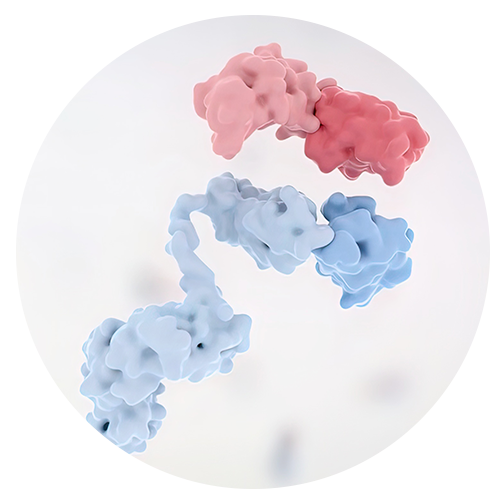
The body produces immunoglobulins which function as autoantibodies to identify and attach to its own tissues. The identification of autoimmune diseases depends on these antibodies which also help scientists understand their mechanisms and classify the diseases. The antibodies exist as either tissue-specific or systemic which demonstrate the wide range of autoimmune disease mechanisms. Researchers who study autoimmunity need to choose appropriate antibody tools because these tools determine both the accuracy and reliability of their results. Beijing Solarbio Science & Technology Co., Ltd. established in 2004 operates as a life science company which provides researchers with antibody resources through its broad antibody collection and tailored antibody development options for basic immunology studies and medical applications.

Overview of autoantibodies in Clinical Immunology
Mechanisms of Autoantibody Production
The breakdown of central and peripheral immune tolerance leads to the development of autoantibodies. The combination of inherited factors and environmental triggers including infections and drugs activates B cells to produce autoantibodies. The pathway-specific antibody products from Solarbio enable researchers to study immune tolerance systems and B-cell signaling pathways. Their pathway resources provide signaling maps which help you create your experimental design.
Diagnostic and Research Applications
autoantibodies are widely studied as indicators of disease mechanisms in scientific research. These research findings help deepen understanding of autoimmune pathology.The detection of autoantibodies occurs through four main methods which include immunohistochemistry (IHC) and ELISA and flow cytometry and Western blotting. Solarbio offers antibodies which match specific laboratory requirements for their platforms and users can access complete datasheets through their website.
Anti-Nuclear Antibodies (ANA)
The ANA-related antibodies provided by Solarbio are intended solely for research purposes, enabling studies on nuclear-antigen recognition and autoimmune mechanisms.The initial evaluation of patients with suspected connective tissue disorders starts with ANA testing.
Spectrum of Anti-Nuclear Antibodies
ANA consists of antibodies which target different nuclear elements including DNA and histones and nucleolar proteins and extractable nuclear antigens (ENAs). The main ANA subtypes include anti-dsDNA and anti-Sm and anti-RNP and anti-SSA/Ro and anti-SSB/La. Solarbio provides a range of validated ANA-related antibodies which can be used for autoimmune disease panel testing.
Role in Systemic Autoimmune Diseases
Systemic lupus erythematosus (SLE) diagnosis heavily depends on ANA because its levels often match the severity of the disease. The presence of ANA occurs in patients with Sjögren’s syndrome and systemic sclerosis and mixed connective tissue disease (MCTD). The high-affinity anti-dsDNA antibodies from Solarbio enable researchers to study autoimmune mechanisms in experimental settings. These products are not intended for diagnostic test development or clinical use.
Laboratory Detection Methods for ANA
The detection methods for this test include indirect immunofluorescence (IIF) on HEp-2 cells and ELISA and multiplex bead-based assays and Western blotting. Solarbio provides fluorescence-conjugated secondary antibodies which are designed for IIF-based ANA screening applications.
Anti-Citrullinated Protein Antibodies (ACPA) in Rheumatoid Arthritis
ACPAs function as essential factors in rheumatoid arthritis (RA) because they help doctors diagnose the condition and forecast disease progression and treatment outcomes.
Diagnostic Utility in Early Arthritis Detection
The antibodies enable healthcare providers to detect patients who will develop severe joint destruction. The ELISA-compatible ACPA detection reagents from Solarbio work well for research studies aimed at understanding RA-related antibody biology. These reagents must not be used for medical diagnosis, treatment, or patient management.
Integration with Other RA Biomarkers
In scientific studies, ACPA is recognized as a highly specific biomarker associated with RA. Research on ACPA contributes to understanding disease mechanisms. The ACPA-related reagents from Solarbio are for research use only and not for RA diagnosis or clinical decision-making. The ACPA test results help doctors determine which patients need biologic treatment. Scientists can request personalized antibody development to create complex RA testing panels which support precise medical treatment.
Anti-Mitochondrial Antibodies (AMA) in Hepatobiliary Disorders
In clinical research literature, AMA is recognized as a key biomarker related to liver autoimmunity. The AMA-related antibodies provided by Solarbio are intended exclusively for research use.
Subtypes of AMA Targeting Mitochondrial Enzymes
Anti-mitochondrial antibodies (AMA) primarily target the E2 component of the pyruvate dehydrogenase complex (PDC-E2), which is a key antigen in primary biliary cholangitis (PBC). However, AMAs can also target other mitochondrial antigens, which may be involved in other mitochondrial disorders. In PBC, AMA presence is highly diagnostic, with over 90% of patients testing positive. The enzyme complex branched-chain 2-keto acid dehydrogenase contains additional mitochondrial targets. Solarbio provides mitochondrial antigen-specific antibodies which work for human and animal research models.
Clinical Relevance in Primary Biliary Cholangitis (PBC) Diagnosis
The autoimmune marker AMA appears in more than 90% of PBC patients while its presence indicates disease advancement. The study of cholangiocyte autoimmunity mechanisms becomes possible through the use of Solarbio’s high-purity AMA-related reagents.
Techniques for AMA Detection in Laboratory Settings
The AMA screening process in rodent kidney/liver tissues continues to serve as the main method for AMA detection according to AMA guidelines. The ELISA technique allows scientists to measure protein concentrations while creating common testing standards between different laboratories. Solarbio offers complete antibody kits which enable users to establish uniform protocols for AMA detection.
Anti-Neutrophil Cytoplasmic Antibodies (ANCA) in Vasculitis Syndromes
The diagnosis of small-vessel vasculitides including granulomatosis with polyangiitis (GPA) depends on ANCA testing results.
Classification into cANCA and pANCA Patterns
The proteinase 3 (PR3) enzyme serves as the main target for cANCA while myeloperoxidase (MPO) becomes the primary target for pANCA. The antibody patterns between GPA and microscopic polyangiitis (MPA) become distinguishable through these specific patterns. The company Solarbio provides PR3/MPO-specific antibodies which demonstrate platform-independent validation.
Diagnostic Implications in Small-Vessel Vasculitis
The ANCA status helps doctors confirm their clinical diagnosis and enables them to monitor disease progression through time.
Assay Modalities Used for ANCA Testing
The IIF function acts as a screening test to identify antigens which ELISA tests verify through antigen specificity assessment. The multiplex bead-based assays enable researchers to detect PR3/pANCA profiles simultaneously. Solarbio provides custom antibody production services through its technology platform which supports specific antigen target requirements.
Anti-Thyroid Antibodies in Endocrine Autoimmunity
Thyroid autoimmunity occurs frequently in people who develop antibodies which attack essential thyroid enzymes and structural components.
Key Targets Including TPOAb and TgAb
The hormone production process becomes disrupted because of Anti-thyroid peroxidase (TPOAb) antibodies while anti-thyroglobulin (TgAb) antibodies indicate thyroid gland damage. Solarbio offers thyroid-specific recombinant antigens which scientists can use to produce antibodies or create new assays for thyroid-related tests.
Association With Hashimoto’s Thyroiditis and Graves’ Disease
In Hashimoto’s thyroiditis, the primary antibody is typically anti-thyroid peroxidase (TPOAb), although anti-thyroglobulin antibodies (TgAb) can also be present, either separately or in combination. In Graves’ disease, the main autoantibodies are directed against the thyroid-stimulating hormone (TSH) receptor, either stimulating or blocking its activity, leading to thyroid dysfunction. The main antibody in Graves’ disease targets the TSH receptor through either stimulating or blocking actions. The thyroid antibody range from Solarbio allows researchers to study the complex immune system problems that affect endocrine function.
Laboratory Approaches to Detect Thyroid Autoantibodies
Solarbio provides high-sensitivity reagents through its product database for endocrine applications.
Anti-Gliadin and Tissue Transglutaminase Antibodies in Celiac Disease
The non-invasive diagnosis of celiac disease depends on gliadin and transglutaminase antibody tests for serology evaluation.
Gliadin-Derived Peptides as Immunogenic Triggers
The body produces strong IgA and IgG immune reactions when it encounters deamidated gliadin peptides through HLA-DQ2/DQ8 after consuming gluten. The Solarbio company provides gliadin peptide antibodies which scientists use to study gluten intolerance.
Role of tTG Antibodies as Diagnostic Markers
The primary serologic marker for celiac disease diagnosis is tissue transglutaminase IgA (tTG-IgA), which shows high specificity. However, tTG-IgA alone may not always be sufficient for a conclusive diagnosis, and it is often used in combination with endomysial antibodies (EMA) and other tests for increased diagnostic accuracy.
Recommendations for Research Use Based on Product Availability from Solarbio
The use of Solarbio validated reagents for your autoimmune research projects will produce results that are both accurate and scientifically valid.
Utilizing Validated Autoimmune Antibody Products from Solarbio
Scientists have access to numerous pre-developed primary antibodies which detect essential autoimmune-related proteins. The products include validation results which demonstrate their performance on WB IHC-P IF and IP/Co-IP platforms. Users can find antibodies through Solarbio’s antibody catalog by selecting their target protein or desired application.
Custom Antibody Development Services Tailored to Autoimmunity Studies
The CRO platform of Solarbio provides custom monoclonal/polyclonal production for novel targets and species-specific requirements. The service includes antigen design through hybridoma generation which suits researchers who need to discover new biomarkers or work with specific niche species models.
Supporting Resources From Beijing Solarbio Science & Technology Co., Ltd.
The service center at Solarbio provides users with reagents and additional benefits which include pathway insights and industry news and technical support and project consultations. Solarbio provides complete support from reagent acquisition to experimental method development.
FAQ
Q1: What are some commonly tested autoantibodies?
A: The most frequently tested autoantibodies include ANA (anti-nuclear antibodies) and ACPA (anti-citrullinated protein antibodies) and AMA (anti-mitochondrial antibodies) and ANCA (anti-neutrophil cytoplasmic antibodies) and TPOAb/TgAb (anti-thyroid) and tTG-IgA (anti-tissue transglutaminase).
Q2: Do autoimmune antibody levels serve as indicators to forecast disease progression?
A: Research shows that specific antibody levels such as anti-dsDNA in SLE and ACPA in RA link to disease severity and activity levels.
Q3: Which laboratory techniques are used for detecting these antibodies?
A: The detection of antibodies uses ELISA and IIF and Western blotting and chemiluminescent assays and multiplex immunoassays.
Q4: Where can find reliable autoimmune antibody reagents?
A: You can explore validated options from Solarbio’s antibody catalog or request custom antibody services tailored to your research goals.
 Consult
 Whatsapp
 Leave Message
 top
top