


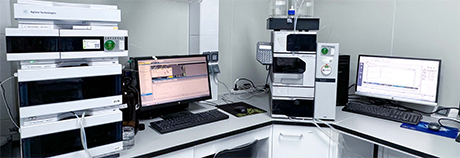

Why Are Transgenic Mouse Models Transforming Antibody Production
Table of Contents
Modern antibody development is advancing rapidly. You may need fully human antibodies with high affinity for hard targets, stringent specificity, and robust data when a project shifts from discovery to validation. Traditional routes can still work, but they often bring familiar pain points: long timelines, heavy downstream humanization, and uneven reproducibility between batches or labs.
That is why transgenic mouse models with human immunoglobulin loci have become a practical turning point for many antibody programs. When paired with a supplier capable of covering antigen preparation, screening, ELISA validation, and a broader range of research reagents, this platform becomes even more impactful.
For teams who want that kind of one-stop support, Beijing Solarbio Science & Technology Co., Ltd. offers integrated research solutions, an extensive portfolio of life science reagents, and research services that bridge the gap between discovery phases and routine laboratory validation. Solarbio,a national high-tech enterprise established in 2004, with multiple ISO system certifications and a large in stock product ecosystem built around molecular biology, cell biology, and immunology.
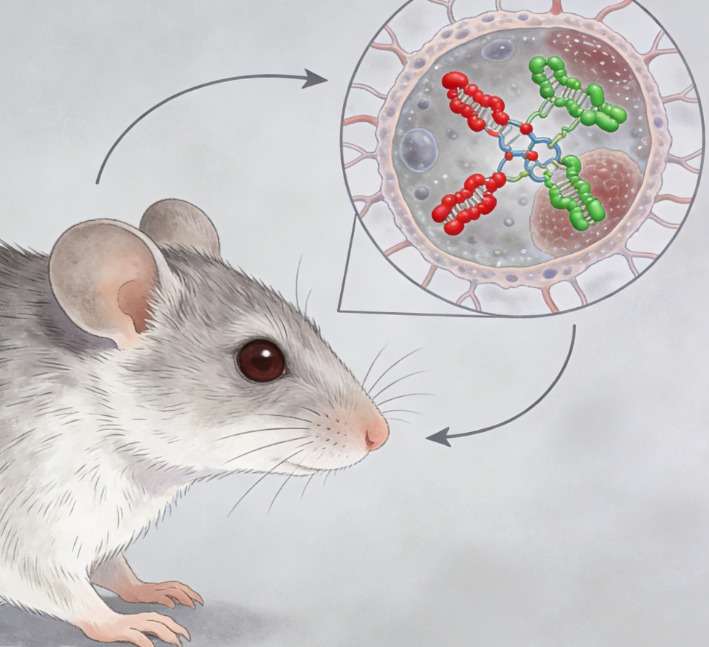
What Are Transgenic Mouse Models in Antibody Production?
Transgenic mouse models are engineered such that their antibody-producing machinery can generate human or human-like immunoglobulins after immunization. That shifts your workflow from extensive re-engineering at later stages to high-quality lead candidates earlier in the process, a critical advantage when timelines and budgets are constrained.
Genetic Engineering of Human Immunoglobulin Loci
In a transgenic antibody mouse, key human immunoglobulin gene segments are inserted, and endogenous mouse loci are often inactivated or silenced. After immunization, B cells undergo the same in vivo biological processes as those in wild-type mice, but the antibody repertoire is biased toward human variable regions. For many programs, this is where “fully human” transitions from a marketing term to a tangible development advantage.
Stable Expression of Human Antibody Repertoires
A stable human repertoire is valuable for multiple reasons. It supports consistent antibody outputs across projects, and it reduces surprises when you compare candidates later. In practice, this stability eliminates the need to repeat immunizations or redevelop assays due to inconsistent behavior of individual candidates across experimental rounds.
Why Do Transgenic Mouse Models Improve Antibody Quality?
Antibody “quality” is not a single metric. In day to day research, it means obtaining specific, high-affinity binding at the target site, low off-target interference, and reproducible results without consuming valuable samples. Transgenic platforms tend to enhance all three aspects.
Enhanced Affinity Maturation Mechanisms
Affinity maturation in vivo remains the primary driver. With a human focused repertoire, you can often obtain candidates with strong binding earlier, instead of pushing affinity engineering as the default solution. This is particularly advantageous when the target has subtle, target-specific conformational epitopes, as the in vivo immune response captures these epitope patterns more effectively than most purely in vitro methods.
Reduced Immunogenicity in Human Applications
If your end objective is clinical or translational research, immunogenicity is not abstract. A candidate that elicits unintended immune responses may fail in late-stage development,, after time and money are already spent. Fully human antibodies derived from transgenic mice eliminate the requirement for subsequent humanization steps, thereby mitigating immunogenicity risks and preventing affinity loss during reformatting.
Higher Specificity Toward Target Antigens
Specificity is a common unrecognized failure point for many projects quietly fail. You may observe a robust signal in one assay, only to find the band vanishes, non-specific staining occurs in IHC,, or the ELISA curve drifts. Transgenic mouse platforms can improve specificity, but the screening plan matters just as much. Solarbio’s immunology ecosystem, including antibodies and ELISA related tools, enables you to establish orthogonal validation assays early, helping you avoid misidentifying false positives.
How Do Transgenic Mouse Models Accelerate Antibody Development?
Speed is not only about shorter immunization. It is also about fewer resets. Many delays come from late discovery that an antibody does not fit the assay, the format, or the species cross reactivity you need. A transgenic mouse workflow can reduce that churn when it is paired with streamlined screening and validation.
Faster Immunization and Screening Cycles
In many programs, the practical win is fewer cycles to get to “screenable” serum and then to monoclonal candidates. Solarbio also offers mouse antibody production workflows with clear timelines for immunization and ELISA titer assessment, demonstrating significant time savings achievable through standardized, well-executed processes.
Streamlined Transition From Discovery to Validation
A common bottleneck is the jump from discovery candidates to validated tools you can trust in real experiments. This is where a supplier ecosystem matters. With Solarbio, you can connect custom antibody work with supporting reagents and kits that labs already use every day, including ELISA tools and broader immunology products.
Improved Reproducibility Across Experiments
Reproducibility is the quiet KPI (Key Performance Indicator). If your antibody behaves differently across lots, you will spend weeks chasing “biology” that is really supply variation. Solarbio’s quality systems and standardized QC(Quality Control) approach are built to support consistent outputs across product and service lines, which is exactly what you want when your antibody moves from a pilot test into routine use.
Why Do Fully Human Antibodies Matter in Therapeutic Research?
If you are doing therapeutic discovery, you already know that “works in vitro” is not the finish line. Fully human antibodies can enhance translational potential and facilitate stakeholder communication regarding development risks, documentation requirements, and regulatory expectations.
Lower Risk of Adverse Immune Reactions
A lower risk profile is valuable even in preclinical planning. It aids in selecting candidates more likely to perform consistently in relevant preclinical models and reduces the risk of promising lead candidates failing due to scaffold incompatibility with downstream applications.
Improved Clinical Translation Potential
Fully human antibodies can align better with human biology and clinical intent. That does not automatically guarantee success, but it removes a whole category of avoidable problems. It also makes it easier to compare your antibody to published benchmarks and to standard reference behaviors used in the field.
Alignment With Regulatory Expectations
Regulatory pathways vary by region and product type, but the overarching trend is clear: enhanced traceability, rigorous characterization, and minimization of avoidable immunogenicity risks. Solarbio’s ISO certified management and traceable workflows across R&D, production, and service are built around that reality, even when the deliverable is “research grade” today and “translational” tomorrow.
How Does Solarbio Support Antibody Production Using Transgenic Models?
A transgenic mouse platform is powerful, but it is not a full workflow by itself. You still need antigen design, clean screening, and practical validation tools that match how your lab runs experiments. Solarbio supports that full chain through services plus a broad product ecosystem, ensuring uninterrupted project momentum during phase transitions..
Custom Antibody Design and Antigen Preparation
Antigen quality controls antibody quality-an obvious yet often overlooked principle. Many projects still commence with suboptimal or readily available antigens. With Solarbio, antigen related steps can include peptide synthesis, conjugation options, and project planning that matches your downstream assays. Solarbio’s peptide synthesis capabilities cover linear sequences and complex constructs, with deliverables accompanied byanalytical data (e.g., HPLC, MS) to mitigate antigen-related risks.
For direct access to custom antibody services, Solarbio’s Custom Antibody service serves as the most relevant entry point..
Antibody Screening, Validation, and ELISA Integration
Screening extends beyond selecting “the highest OD (Optical Density) well”; it requires identifying candidates capable of performing reliably in physiological assay formats. Solarbio offers extensive ELISA capabilities and supporting reagents, with ELISA protocols implemented as a standardized workflow encompassing coating, labeling, color development, and quantitative readout. This standardization is critical for consistent titer determination, high-quality standard curves, and reproducible performance across replicates.
For antibody programs involving biomarker panels or multi-species studies, Solarbio’s species- and target-diverse ELISA kit portfolio ensures the validation phase remains pragmatic and application-focused, rather than theoretical.
End to End CRO Support for Research and Drug Discovery
Many teams do not want five vendors for one antibody. Solarbio’s service lines are designed to connect, including custom protein expression, peptide synthesis, antibody customization, and QC steps that keep deliverables consistent. Solarbio also develops large numbers of proteins each year through recombinant expression platforms, which can support antigen generation for difficult targets and and accelerating early feasibility studies.
What Applications Benefit Most From Transgenic Mouse Antibodies?
Transgenic mouse derived fully human antibodies show value in multiple research settings. The biggest gains appear when you need both strong binding and clean translation into assays or therapeutic style formats, without losing months to rework.
Therapeutic Antibody Discovery and Development
Therapeutic discovery benefits because candidate risk can drop earlier. You can focus on biology and mechanism instead of spending the first half of the project fixing “antibody problems.” Solarbio’s broader ecosystem also supports drug discovery workflows across target validation, screening, and pharmacology related research areas.
Diagnostic Assay and Biomarker Detection
Diagnostics need specificity and stability. False positives cost time and trust. Using fully human antibodies can also help when you need consistent behavior across lots. Solarbio’s in stock reagents and standardized QC approach support repeatable assay building, which matters when a diagnostic project scales from a pilot panel to routine testing.
Why Do Researchers Choose Solarbio for Custom Antibody Solutions?
A custom antibody project is often judged by one thing: whether it saves time, not whether it sounds fancy. Solarbio is often chosen because the service is connected to a large, research focused product system, plus quality frameworks that are designed for consistent lab outcomes.
Comprehensive Product and Service Ecosystem
Solarbio maintains a large inventory across molecular biology, cell biology, immunology, antibodies, proteins, ELISA kits, biochemical kits, dyes, standards, and more. That scale supports fast response and stable supply, which is valuable when an antibody project turns into a multi month study.
Quality Control and Research Grade Standards
Quality is not a slogan when a single failed replicate can push a paper back by weeks. Solarbio operates with established management systems and multiple ISO certifications that support standardized processes, QC, documentation, and continuous improvement.
Solarbio also highlights literature usage across many product categories, which matters if you care about whether tools are actually used in real publications.
Global Support and Flexible Customization
Projects do not run on one timeline. Sometimes you need a quick antibody for a confirmatory test, sometimes you need a long program with multiple validation steps. Solarbio supports flexible customization across antibody formats and deliverables, backed by in house workflows that cover antigen work, screening, and QC release.
FAQ
Q1: What Makes A Transgenic Mouse Model Different From A Traditional Mouse Antibody Workflow?
A: A transgenic mouse model is engineered to generate human or human-like antibody repertoires after immunization, which can minimize subsequent humanization steps and support fully human antibody candidates earlier. Solarbio can align that upstream choice with Solarbio screening and Solarbio validation workflows so the antibody fits your real assays.
Q2: When Should You Choose Fully Human Antibodies Instead Of Chimeric Or Humanized Antibodies?
A: Fully human antibodies are often preferred when downstream applications involves human systems, translational studies, or therapeutic development, where immunogenicity risk and re-engineering costs can become major issues. Solarbio can help you plan deliverables through Solarbio Custom Antibody Services and Solarbio validation tools.
Q3: How Do You Avoid Losing Time On Poor Antigen Design?
A: You avoid it by matching antigen format to your assay goals, confirming purity and characterization, and planning screening gates that reflect the final use case. Solarbio supports peptide and protein related preparation plus structured QC, which keeps early steps aligned with later validation.
Q4: What Validation Steps Matter Most Before You Commit To One Antibody Clone?
A: Strong programs usually include at least ELISA titer checks plus orthogonal validation that matches your application, such as WB, IHC, or functional assays when needed. Solarbio’s ELISA ecosystem and Solarbio immunology products can support those checks without forcing you to rebuild assays midstream.
Q5: Why Choose Solarbio For Custom Antibody Work When You Also Need Routine Reagents?
A: Solarbio integrates custom antibody services with a comprehensive in-stock research reagent ecosystem, plus standardized quality systems designed for consistent outcomes. That combination helps you move from custom antibody delivery into routine experiments using Solarbio products, Solarbio kits, and Solarbio support channels with fewer vendor gaps.
 Consult
 Whatsapp
 Leave Message
 top
top