


Связанные новости
Объяснение купроптоза: практический взгляд на гибель клеток, вызванную медью.
Содержание
С 2022 года о купроптозе много говорят. На первый взгляд, это звучит как еще один термин, обозначающий гибель клеток, который важен лишь для небольшой группы исследователей механизмов. Но как только вы разберетесь, как это работает, станет ясно, почему он стал предметом внимания в области онкологии, митохондриального метаболизма, исследований воспаления и нейродегенеративных заболеваний.
Дело не только в том, что медь токсична. Медь — это микроэлемент, и клеткам она необходима. Настоящая проблема начинается, когда нарушается баланс меди. Слишком много свободной меди, особенно Cu⁺, может привести к проблемам с митохондриями. Затем клетка сталкивается с агрегацией белков, метаболическим стрессом, окислительным повреждением и, наконец, с особым типом регулируемой клеточной смерти, известным как купроптоз.
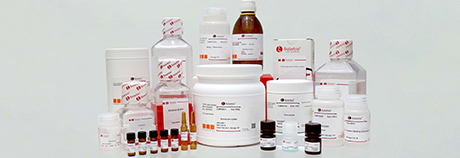
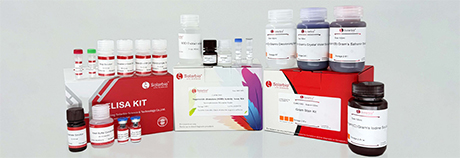
Для исследователей, работающих с клеточными моделями, эта тема касается не только чтения схем метаболических путей. Она также включает в себя выбор соединений, контрольные образцы, чистоту, эксперименты по восстановлению целостности клеточной линии и возможность повторения того же результата на следующей неделе с другой партией реагента. Именно здесь на помощь приходит такой поставщик, как [название поставщика]. Соларбио становится актуальным. Компания Solarbio работает в сфере разработки инструментов для исследований в области биологических наук, включая низкомолекулярные соединения, биохимические реагенты, наборы ELISA, продукты для клеточной биологии, реагенты для молекулярной биологии, антитела, стандарты и сопутствующие продукты, используемые в исследованиях механизмов.
Что означает купроптоз простым языком в лабораторных условиях?
Купроптоз — это регулируемый медью путь клеточной смерти. Он отличается от апоптоза, ферроптоза, некроптоза и классического окислительного повреждения клеток. В купроптозе в центре внимания находится митохондрия, особенно цикл трикарбоновых кислот (ЦТК).
Ключевым фактором на начальном этапе является FDX1. FDX1 способен восстанавливать Cu²⁺ до Cu⁺. Это звучит как небольшое химическое изменение, но в клетках оно имеет огромное значение. Cu⁺ более реактивен и может усиливать токсичность меди. Накопление меди приводит к ее связыванию с липоилированными белками в цикле трикарбоновых кислот. DLAT и PDHA1 — два распространенных примера, упоминаемых в этой области.
После этого клетка начинает терять контроль. Эти липоилированные белки могут образовывать аномальные агрегаты. В качестве вторичного следствия, Fe-S белки также могут дестабилизироваться. Функция митохондрий снижается. Белковый стресс возрастает. Это не обычный путь апоптоза, опосредованный каспазами. Это скорее похоже на блокировку энергетического двигателя клетки одновременно медью и белковым стрессом.
Вот почему исследование пути купроптоза Этот метод стал полезен для исследователей, изучающих метаболизм раковых клеток, транспорт меди, повреждение митохондрий и лекарственную устойчивость.
Основной механизм, который обычно изучают исследователи.
Эксперимент по купроптозу часто начинается с поддержания гомеостаза меди. Нормальные клетки используют транспортеры и связывающие белки для контроля уровня меди. CTR1 помогает доставлять медь в клетку. ATP7A/B помогает удалять медь. Металлотионеины могут связывать медь и снижать уровень свободной меди. Когда эта система дает сбой, медь не остается в состоянии покоя.
В этом случае FDX1 становится очень важным. Если FDX1 активен, Cu²⁺ может восстанавливаться до Cu⁺. Токсичный сигнал меди усиливается. Затем медь связывается с липоилированными белками цикла трикарбоновых кислот, особенно с DLAT, и вызывает аномальную олигомеризацию. Совокупный эффект — агрегация липоилированных белков вместе с вторичной нестабильностью Fe-S белков — наносит серьезный удар по митохондриальному метаболизму.
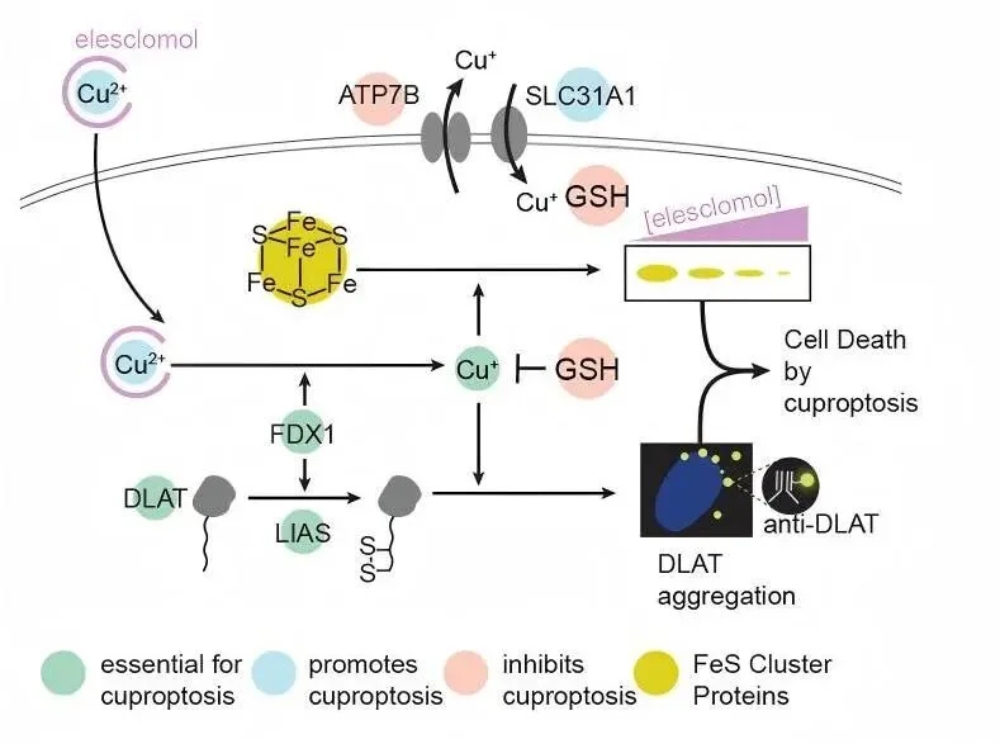
При переизбытке меди также может увеличиваться количество активных форм кислорода (ROS). Это может повредить ДНК, мембраны и белки. Также сообщалось, что в некоторых случаях медь нарушает функцию убиквитин-протеасомной системы (UPS), что может усугубить белковый стресс, но это не является определяющей характеристикой купроптоза. В реальных экспериментах эти сигналы часто появляются вместе, поэтому рискованно утверждать «купроптоз», основываясь только на одном маркере.
Более совершенная конструкция обычно проверяет несколько компонентов: обработку медью, индукцию ионофора меди, восстановление хелатора меди, изменения FDX1 или DLAT, морфологию митохондрий и маркеры стресса. Именно поэтому она стабильна. инструменты для исследований в области биологических наук Если качество реагента нестабильно, то результат механизма очень быстро становится запутанным.
Как выглядят клетки во время купроптоза
Купроптоз обладает некоторыми морфологическими особенностями, которые помогают отличить его от других типов клеточной смерти.
Наиболее очевидные изменения наблюдаются в митохондриях. При исследовании с помощью трансмиссионной электронной микроскопии можно заметить уменьшение размера митохондрий, увеличение плотности мембран и уменьшение или отсутствие крист. Эти признаки соответствуют механизму, поскольку купроптоз тесно связан с митохондриальным метаболизмом.
Могут наблюдаться и другие изменения. Клетки могут уменьшаться в размерах. Клеточная мембрана может разрываться. В эндоплазматическом ретикулуме могут обнаруживаться повреждения. Хроматин может разрушаться, но классические апоптотические тельца обычно не являются основным признаком. Активация каспаз также не является центральным механизмом.
Это не означает, что одних только морфологических данных достаточно. Лучше сочетать морфологические данные с молекулярными. Например, если обработка медью вызывает уменьшение размеров митохондрий, агрегацию DLAT, чувствительность, зависящую от FDX1, и восстановление функции хелаторов меди, доказательства становятся гораздо убедительнее.
Ключевые гены и сигнальные пути в купроптозе
При создании панели генов, связанных с купроптозом, исследователи часто используют несколько генов.
Ген FDX1 обычно располагается в центре. Гены LIAS и LIPT1 связаны с липоилированием белков. Гены DLAT, DLD, PDHA1 и PDHB связаны с циклом трикарбоновых кислот. Эти гены поддерживают токсический процесс, обусловленный медью.
С точки зрения защиты, MTF1 помогает регулировать экспрессию металлотионеина и снижать уровень свободной меди. GLS помогает поддерживать метаболический баланс.
Стоит также проверить транспортные белки. CTR1 поступает внутрь, а ATP7A/B выводит медь наружу. Если уровень CTR1 высок, а ATP7A/B низок, клетки могут стать более чувствительными к накоплению меди. Nrf2 — еще один фактор, поскольку он контролирует гены антиоксидантного ответа, такие как HO-1. При сильной передаче сигналов Nrf2 клетки могут лучше противостоять окислительному стрессу, связанному с медью.
Короче говоря, купроптоз — это не один единственный переключатель. Это скорее сеть «медь-метаболизм-митохондрии». Изменение одной точки может повлиять на весь результат.
Почему исследователям рака важен купроптоз
Раковые клетки часто имеют необычный метаболизм металлов. Некоторые опухолевые клетки обрабатывают медь иначе, чем нормальные клетки. Это открывает перед исследователями потенциальную возможность. Если раковая клетка уже чувствительна к стрессу, вызванному медью, стимуляция купроптоза может помочь ослабить её.
Острый миелоидный лейкоз (ОМЛ) — одно из заболеваний, привлекающих к себе внимание. Некоторые исследования предполагают, что клетки ОМЛ с более низким уровнем экспрессии ферментов биосинтеза гема, включая изменения, связанные с HBE, могут быть более чувствительны к накоплению меди. UM4118 также обсуждался в контексте моделей ОМЛ с мутацией SF3B1 и неблагоприятным прогнозом.
В радиорезистентных опухолях MT1E и MT1X могут связывать медь и снижать ее токсичность. Это может сделать опухолевые клетки менее чувствительными к купроптозу. В некоторых экспериментальных схемах ионофор меди может помочь частично преодолеть эту резистентность.
Также изучаются солидные опухоли. Исследования ионофоров меди связывают с раком легких, меланомой и другими заболеваниями. Тем не менее, не стоит переоценивать эту область. Медь может повреждать и нормальные клетки. Необходимо тщательно проверять дозу, время воздействия, тип клеток, экспрессию транспортеров и состояние митохондрий.
Купроптоз при воспалении, заболеваниях головного мозга и переизбытке меди
Купроптоз – это не только тема, связанная с раком.
При ревматоидном артрите уровень меди в сыворотке крови может быть повышен, а такие гены, как LIAS и FDX1, могут демонстрировать аномальную экспрессию. Повреждение синовиальных клеток, связанное с медью, может усугубить воспаление и повреждение костей. В условиях высокой гликолизной активности или гипоксии купроптоз также может подавляться, что позволяет иммунным клеткам продолжать размножаться.
При язвенном колите обсуждались такие факторы, как накопление меди в слизистой оболочке кишечника, повышенная олигомеризация DLAT и снижение экспрессии FDX1. Если купроптоз повреждает кишечный барьер, восстановление слизистой оболочки становится затруднено.
Системная красная волчанка также связывается с изменениями, вызванными купроптозом, обусловленными LIAS. Детали еще требуют дальнейшего изучения, но связь между балансом меди и иммунными нарушениями становится все труднее игнорировать.
Нейродегенеративные заболевания — еще одна область исследований. При болезни Альцгеймера медь может аномально накапливаться в головном мозге. Это может ускорить повреждение нейронов из-за митохондриальной дисфункции и белкового стресса. Болезнь Паркинсона также может быть связана с повреждением нейронов, вызванным медью.
Болезнь Вильсона — классический пример переизбытка меди. Мутация гена ATP7B приводит к нарушению экспорта меди. Затем медь накапливается в печени, мозге и других органах. D-пеницилламин и другие стратегии хелатирования меди могут помочь снизить ее накопление. Это заболевание наглядно демонстрирует, почему контроль уровня меди имеет важное значение.
Для исследований купроптоза используются низкомолекулярные соединения.
В лабораторных условиях соединения, связанные с купроптозом, можно условно разделить на ионофоры меди, хелаторы меди и регуляторы метаболических путей.
Медные ионофоры помогают меди проникать в клетки или перемещаться к митохондриям. Дисульфирам (ID2550Известно, что он является ингибитором ALDH1. При образовании комплекса с Cu²⁺ он может влиять на активность протеасомы и используется в исследованиях, связанных с раком.
Пиритион цинка (ИЗ1140Сообщается, что это вещество обладает противогрибковой и антибактериальной активностью. Оно также может выступать в качестве ионофора меди, способствуя транспортировке меди в клетки. Поэтому его часто используют в качестве вспомогательного соединения в исследованиях купроптоза.
Элескломол (IE0680Медьсодержащий ионофор (или медь) — хорошо известный ионофор меди. Он может способствовать доставке меди в митохондрии и вызывать окислительный стресс. Его часто используют исследователи, изучающие повреждение митохондрий, вызванное медью.
Cu(II)-Элескломол (YYT2503Комплекс, образуемый элескломолом и Cu²⁺, может перемещать медь в раковые клетки, вызывать окислительный стресс, способствовать агрегации липоилированных белков и запускать апоптоз, связанный с гибелью клеток. Также он описан как слабый ингибитор ДНК-топоизомеразы I, поэтому к разработке контрольных образцов следует подходить с осторожностью.
UM4118 (YYT110497Это еще одно соединение, используемое для изучения клеточной смерти, зависящей от меди. Оно может вызывать неклассический тип клеточной смерти, обусловленный митохондриями, и продемонстрировало избирательную токсичность в исследованиях ОМЛ с мутацией SF3B1 и при неблагоприятном прогнозе, причем этот эффект зависит от меди.
Хелаторы меди действуют в обратном направлении. D-пеницилламин (IP2220Эмерамид может способствовать выведению меди из организма.(IE3810) TTM является тиоловым окислительно-восстановительным антиоксидантом и хелатором тяжелых металлов. TTM способен прочно связывать медь и часто упоминается в исследованиях, посвященных болезни Вильсона и воспалительным процессам, связанным с медью.
Практические замечания перед проведением эксперимента по купроптозу
Эксперимент по купроптозу может пойти не так по очень простым причинам. Соединение может плохо растворяться. Концентрация меди может быть слишком высокой. Клетки могут быть уже подвержены стрессу до начала лечения. Может отсутствовать группа, занимающаяся спасением с помощью хелаторов. Или исследователь может проверить только активные формы кислорода (ROS) и назвать это купроптозом, что слишком расплывчато.
Более практичная схема должна включать контрольную группу без обработки, группу с обработкой медью, группу с обработкой ионофором меди, группу с восстановлением целевого состояния хелатором меди, наблюдение за митохондриями и, по крайней мере, один маркер, связанный с метаболическим путем, такой как FDX1 или DLAT. По возможности следует также проверить агрегацию белков и стабильность Fe-S белков.
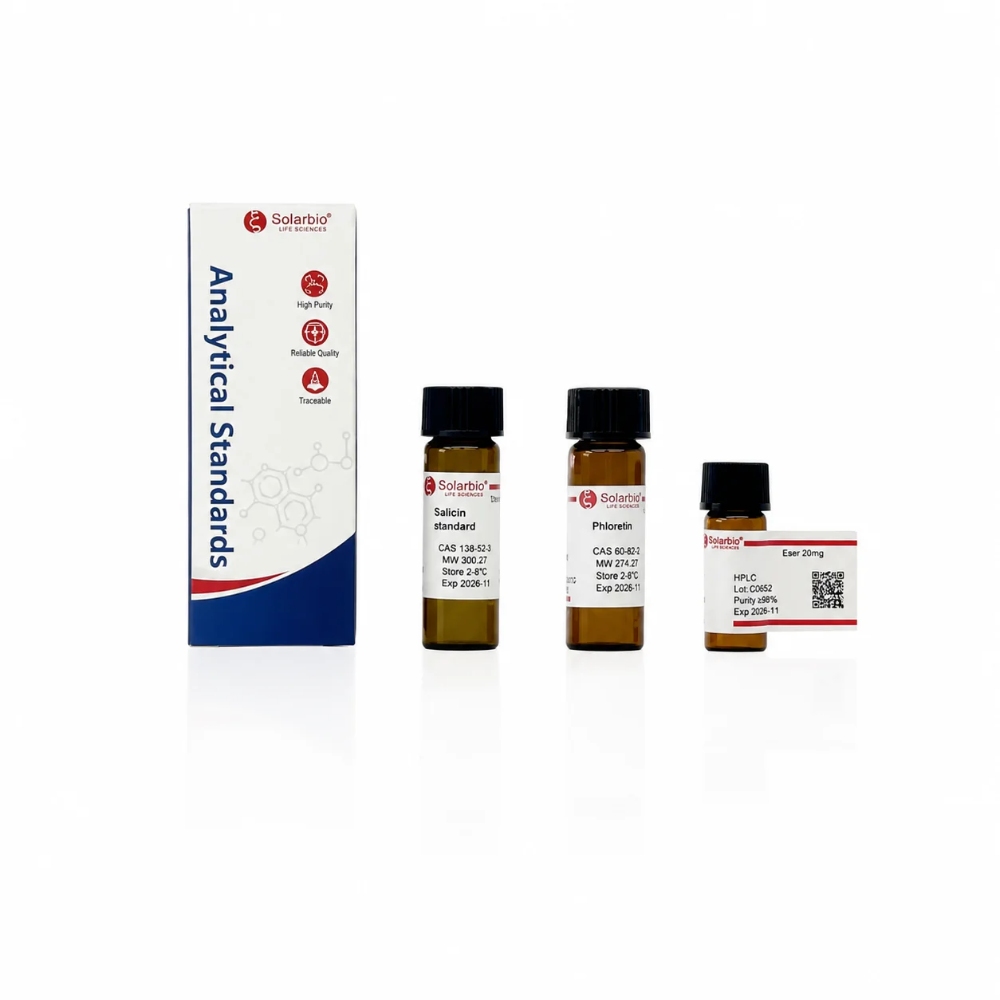
Чистота соединения также имеет значение. В исходный список продуктов входят дисульфирам, пиритион цинка, элескломол, Cu(II)-элескломол, UM4118, D-пеницилламин и эмерамид, при этом указанная чистота составляет ≥98%. Для исследования механизма такие детали не являются украшением. Они влияют на достоверность окончательных данных.
Для лабораторий, которые не уверены, какое соединение или метод анализа подходит для их клеточной модели, группа технического обслуживания может помочь с выбором продукта и подбором основных параметров эксперимента.
Вывод
Купроптоз предоставляет исследователям полезный способ изучения токсичности меди через митохондрии, липоилированные белки цикла трикарбоновых кислот, а также вторичную нестабильность Fe-S белков, стресс, вызванный активными формами кислорода, и агрегацию белков. Он имеет большое значение в изучении метаболизма раковых клеток, ОЛЛ, лекарственной устойчивости, воспалительных заболеваний, нейродегенеративных заболеваний и расстройств, связанных с переизбытком меди.
Однако этот механизм легко чрезмерно упростить. Медь — это не просто яд. Это также необходимый металлический элемент. Убивает ли медь клетку, зависит от транспортных белков, FDX1, состояния митохондрий, липоилирования белков, антиоксидантной реакции, выбора соединения и экспериментальной дозы.
Для исследователей, планирующих исследования купроптоза, компания Solarbio предоставляет низкомолекулярные соединения, биохимические реагенты, инструменты для проведения анализов и техническую поддержку для раннего скрининга и последующей валидации. По вопросам выбора продукции или проектным вопросам исследователи могут обратиться к нам. связаться с Solarbio для получения более подробной информации.
Часто задаваемые вопросы
В1: Что такое купроптоз?
A1: Купроптоз — это регулируемый медью путь клеточной смерти. Он происходит, когда медь нарушает митохондриальный метаболизм, в частности, связывая липоилированные белки цикла трикарбоновых кислот и вызывая агрегацию белков.
Вопрос 2: Купроптоз — это то же самое, что и апоптоз?
A2: Нет. Апоптоз обычно связан с каспазами и может приводить к образованию апоптотических телец. Купроптоз в основном связан с медным стрессом, повреждением митохондрий, агрегацией липоилированных белков и вторичной нестабильностью Fe-S белков.
В3: Почему FDX1 важен?
A3: FDX1 может восстанавливать Cu²⁺ до Cu⁺. Cu⁺ более токсичен и может усиливать клеточную смерть, вызванную медью. FDX1 также тесно связан с частью механизма купроптоза, отвечающей за липоилирование.
Вопрос 4: Какие соединения могут вызывать купроптоз?
A4: К распространенным инструментальным соединениям относятся дисульфирам, пиритион цинка, элескломол, Cu(II)-элескломол и UM4118. Они способствуют увеличению поступления меди или снижению митохондриального стресса, связанного с медью.
В5: Какие соединения могут подавлять гибель клеток, вызванную медью?
A5: Хелаторы меди, такие как D-пеницилламин, TTM и эмерамид, могут снижать уровень свободной меди или способствовать ее выведению. Их часто используют в экспериментах по спасению.
В6: Какие гены часто проверяют в исследованиях купроптоза?
A6: Исследователи часто проверяют FDX1, LIAS, LIPT1, DLAT, DLD, PDHA1, PDHB, MTF1, GLS, CTR1, ATP7A/B, Nrf2 и HO-1.
Вопрос 7: Может ли купроптоз быть полезен в исследованиях рака?
A7: Да. Его изучают при остром миелоидном лейкозе, раке легких, меланоме, радиорезистентных опухолях и других моделях рака. Некоторые опухолевые клетки могут быть более чувствительны к воздействию меди из-за нарушенного метаболизма меди.
В8: Почему качество реагентов имеет значение в экспериментах по купроптозу?
A8: Эксперименты по купроптозу чувствительны к чистоте соединения, загрязнению медью, выбору растворителя, условиям хранения и стабильности партии. Низкое качество реагента может привести к тому, что результат будет выглядеть положительным или отрицательным по неправильной причине.
 Консультируйтесь
 в WhatsApp
 Оставить сообщение
 верхний