



Essential Reagents in DNA Purification: A Comprehensive Guide
Содержание
DNA purification forms the foundation of nearly every molecular biology process. Researchers prepare samples for PCR, sequencing, or cloning, and the DNA quality influences downstream outcomes significantly. Labs frequently encounter problems not from poor techniques, but from poor reagent choices. Minor variations in buffer makeup or enzyme standards can alter yield, purity, or fragment stability.
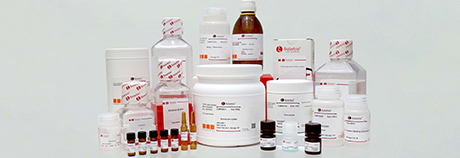
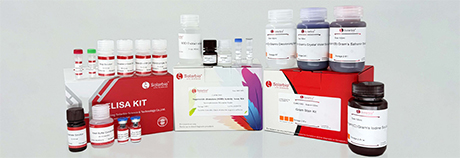
Beijing Solarbio Science & Technology Co., Ltd. has developed an extensive range of products to address these demands. Their lineup includes nucleic acid extraction kits, buffers, enzymes, and auxiliary reagents applied in research and industrial environments. Examining their catalog reveals that each reagent group aligns with actual laboratory procedures. Such alignment proves valuable when uniformity counts for numerous samples.
What Are the Core Reagents Required for DNA Purification?
Prior to exploring particular methods, it proves useful to outline the basic reagent types. DNA purification involves a sequence of reactions and separations, and each stage depends on a distinct chemical function.
Lysis Buffers and Cell Disruption Reagents
The initial phase opens cells and frees nucleic acids. Lysis buffers typically feature detergents such as SDS or CTAB, plus buffering agents that hold pH steady. Sometimes, mechanical breakdown combines with chemical lysis, particularly for resilient tissues or microbial specimens.
Solarbio supplies various lysis buffer options customized for bacteria, animal tissues, and plant materials. For instance, plant DNA extraction demands robust elements to manage polysaccharides and phenolic substances. Selecting a standard buffer for these materials often results in inevitable contamination.
Protein Removal Reagents
After cells break open, proteins need removal to avoid interference. Typical reagents encompass proteases like Proteinase K and organic extraction methods.
Superior Proteinase K serves an understated yet vital function. Uneven enzyme performance frequently causes partial digestion, which manifests as low purity levels. Solarbio’s enzyme-grade products undergo production in regulated settings to preserve activity between batches, and this reliability aids in handling extensive sample volumes.
DNA Binding and Separation Materials
Silica membranes, magnetic beads, and alcohol precipitation setups belong to this group. Every approach relies on DNA attachment under precise salt and pH conditions.
Silica column setups gain popularity due to their blend of quickness and dependability. Solarbio delivers column-based DNA purification kits where binding buffers receive pre-adjustment for firm DNA attachment and reduced RNA contamination. Achieving this equilibrium remains unclear until yields from various kits undergo comparison.
Washing Buffers
Washing phases clear salts, proteins, and additional impurities without releasing DNA. Ethanol-based wash buffers represent the norm, but the proportion carries more weight than commonly realized.
Certain labs recycle ethanol or modify concentrations informally. Such practices commonly introduce lingering impurities. Commercial wash buffers, like those from Solarbio, uphold rigorous formulation standards, and this consistency prevents those minor yet irritating problems.
Elution Buffers
In the end, DNA releases into low-salt buffers or nuclease-free water. The makeup here influences both stability and compatibility with later steps.
Solarbio furnishes nuclease-free elution buffers crafted to preserve DNA integrity over storage periods. Within sequencing processes, even slight pollution from unclean water can produce signal interference, so this phase warrants greater focus than it typically receives.
How Do Different Sample Types Affect Reagent Selection?
DNA purification methods vary considerably. Sample variety dictates not just the procedure but also the specific reagent formulation.
Animal Tissue and Blood Samples
These specimens present straightforward challenges, yet they demand precise management of proteins and lipids. Hemoglobin in blood can obstruct later reactions if removal proves inadequate.
Solarbio’s genomic DNA extraction kits for blood feature refined lysis and washing mechanisms to address these inhibitors. Consequently, such designs lessen the requirement for extra purification stages.
Plant Samples
Plant tissues pose unique difficulties. Polysaccharides and secondary metabolites may settle alongside DNA.
CTAB-based buffers receive frequent use in specialized cases. Solarbio’s plant DNA extraction solutions integrate these elements while streamlining the process into fewer phases. This approach benefits handling diverse plant types with varying chemical profiles.
Bacterial and Microbial Samples
Microbial cell walls resist breakage, notably in Gram-positive types. Enzymatic preparation paired with potent lysis buffers often becomes essential.
Solarbio supplies reagents that accommodate both enzymatic and chemical lysis techniques. Selecting the appropriate mix hinges on whether speed or optimal yield takes priority.
Why Does Reagent Purity Matter in DNA Isolation?
Reagent purity shapes DNA quality directly, though this link often receives less attention than deserved. DNA may emerge, but its effectiveness in subsequent uses remains the key concern.
Impact on Yield and Integrity
Foreign substances in reagents can harm DNA or weaken binding strength. Even slight pollutants in buffers might induce DNA fragmentation or loss during rinsing.
Solarbio enforces stringent quality oversight throughout its reagent offerings. Their nucleic acid reagents arise from supervised facilities to curb contamination hazards, and this practice ensures steady yields.
Influence on Downstream Applications
PCR, qPCR, and sequencing react strongly to inhibitors. Leftover salts, phenol, or proteins can halt enzyme function.
Employing properly developed reagents diminishes these dangers. In real settings, this translates to reduced reaction failures and decreased troubleshooting efforts. Laboratories typically discover this benefit only after adopting higher-grade reagents.
How to Choose Between Column-Based and Magnetic Bead Systems?
Laboratories often face this choice in contemporary operations. Both approaches use DNA binding, yet their procedures diverge notably.
Column-Based Purification
Column systems offer simplicity and need little apparatus. They fit well for low to moderate processing volumes.
Solarbio’s column kits see broad application in standard DNA extraction. They deliver dependable results alongside straightforward protocols, which aids in upholding uniformity among various operators.
Magnetic Bead Purification
Magnetic bead systems suit automation and large-scale operations more effectively. They enable adaptable expansion and incorporation into robotic setups.
Solarbio further offers magnetic bead-based options tailored for nucleic acid purification. These setups facilitate automation while upholding DNA standards, a factor crucial in diagnostic or industrial contexts.
What Common Mistakes Should You Avoid When Using DNA Reagents?
Despite employing top-tier reagents, minor errors can influence outcomes. These problems may seem minor initially but grow prominent over extended use.
Incorrect Buffer Preparation
Wrong dilution of buffers or reliance on outdated reagents can shift pH and ionic balance. Such changes impair DNA binding and rinsing effectiveness.
Opting for prepared reagents from a trustworthy provider lowers this danger. Solarbio’s pre-mixed buffers assist in sustaining uniformity throughout trials.
Incomplete Washing
Omitting or abbreviating washing phases might conserve time, but it retains contaminants. This issue commonly appears later as ineffective PCR results.
Adhering to suggested protocols holds importance. The focus lies not merely on sequence, but on duration and quantities as well.
Improper Storage Conditions
Certain reagents necessitate cool storage, whereas others stay viable at ambient temperatures. Variations in temperature can spoil enzymes or modify buffer structures.
Соларбио supplies explicit storage directives for every reagent type, which supports sustained performance levels.
How Can You Improve DNA Purification Efficiency in Daily Work?
Efficiency encompasses more than mere quickness. It also includes reliability and error reduction.
Standardize Your Workflow
Adopting uniform reagent kits and procedures cuts down on differences. Frequent changes in reagents introduce unseen factors.
Solarbio’s cohesive product ranges bolster standardized procedures. This proves especially beneficial in facilities with several staff members.
Monitor Quality Metrics
Assessing A260/A280 ratios and performing gel electrophoresis provides views into DNA standards. These evaluations may appear standard, but they enable early detection of problems.
Match Reagents to Applications
DNA purity levels do not require uniformity across uses. Cloning, for example, demands greater purity than simple PCR.
Picking the suitable reagent collection for each purpose eliminates excess stages while preserving functionality.
Часто задаваемые вопросы
Q1: What is the most critical reagent in DNA purification?
A: Lysis buffer often stands as the most critical because it governs how well DNA emerges from the sample. Inadequate lysis results in reduced yield irrespective of later phases.
Q2: Can low-quality reagents affect PCR results?
A: Yes. Pollutants like salts or proteins can suppress polymerase function, resulting in faint or unsuccessful amplification.
Q3: How do you select the right DNA extraction kit for plant samples?
A: Select kits formulated for plant tissues that incorporate CTAB or comparable elements to address polysaccharides and secondary metabolites.
Q4: Is magnetic bead purification better than column methods?
A: The suitability depends on requirements. Magnetic beads excel in automation and large volumes, whereas columns offer ease for everyday laboratory tasks.
Q5: How should DNA purification reagents be stored?
A: Adhere to the manufacturer’s guidelines. Enzymes generally need cold conditions, while certain buffers tolerate room temperature. Uniform storage practices ensure reagent effectiveness.
 Консультируйтесь
 в WhatsApp
 Оставить сообщение
 верхний