



Related news
Essential Reagents for Organoid and Cell Culture Experiments: Matrixgel, Serum, Lip2000, and Contamination Control
Table of Contents
In organoid establishment and cell culture experiments, instability of the experimental system represents a prevalent challenge. In many cases, culture conditions and operating procedures remain unaltered, yet cells still exhibit retarded proliferation, abnormal morphology, low transfection efficiency, and poor result reproducibility between passages.
Most researchers tend to first adjust experimental protocols. Nevertheless, numerous experimental anomalies do not originate from operational workflows, but instead stem from batch to batch variation, insufficient compatibility, or quality related issues inherent to the reagents themselves.
For routine laboratory work, four groups of materials deserve more attention than they usually get: extracellular Matrixgel, serum, contamination-control reagents, and transfection reagents such as Lip2000. Researchers can also evaluate Matrigel Gel for organoid and cell culture workflows.
Why Does the Culture Environment Matter So Much?
Cells are sensitive to their surroundings. This becomes even more obvious with primary cells, stem cells, sensitive cell lines, and organoids.
A culture system is not just medium plus cells. Results of a cell-based experiment can be influenced by many parameters, for example by attachment, by the composition of the extracellular matrix, by availability of nutrients and growth factors, by handling of the cells, by contamination, and by delivery of nucleic acids.
A protocol may therefore fail even when the basic steps are correct. If a three-dimensional culture lacks suitable matrix support, the structure may collapse or develop unevenly. If serum conditions change, proliferation may slow down. A hidden mycoplasma problem can alter metabolism and gene expression before there is any obvious sign in the flask. Poor transfection can make a perfectly good plasmid look useless.
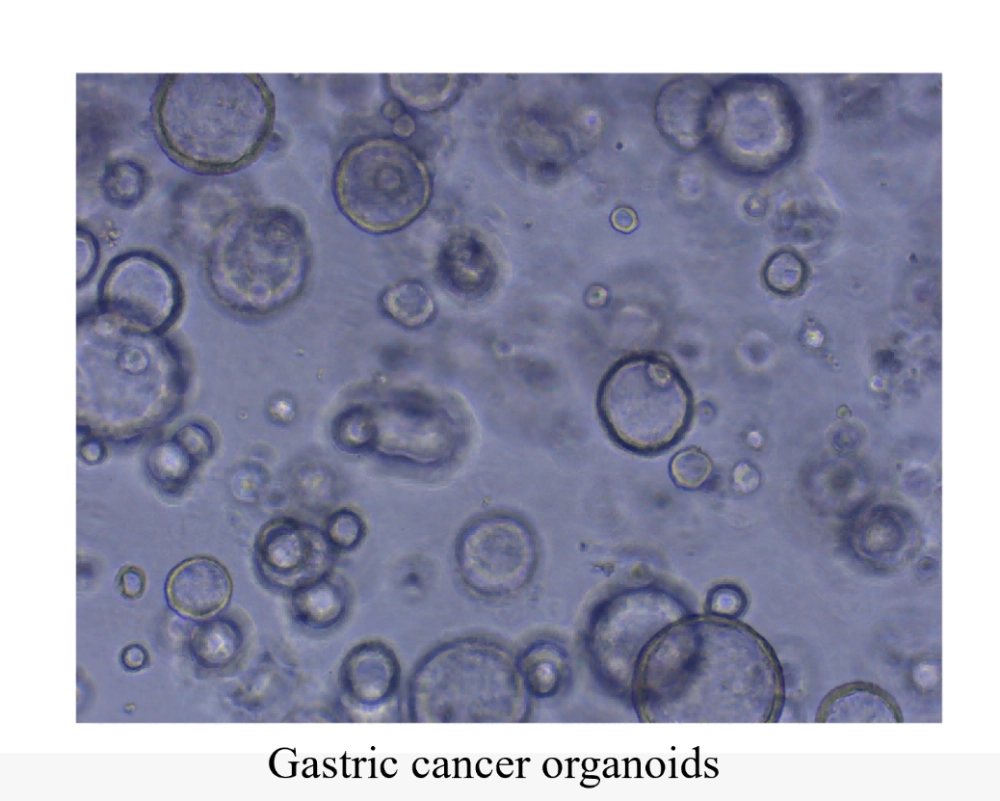
Thus the choice of reagents must be part of the overall experimental design and not an afterthought to the main experimental protocol.
How Does Matrixgel Support Organoid and Cell Culture?
Matrixgel Provides More Than a Surface
Two-dimensional culture gives cells a flat plastic surface. Organoids and many three-dimensional models need something closer to an extracellular matrix environment.
The basic components of a basement membrane Matrixgel are present at different concentrations: Laminin, Type IV Collagen, Nidogen/Entactin, Heparan Sulphate Proteoglycans and Growth Factors. Researchers can select Matrigel according to different organoid culture requirements, including cell attachment, three-dimensional growth and tissue-like structure formation. These gels support cells physically and allow attachment of cells, organization, migration and formation of three-dimensional structures by cells. Solarbio Matrigel provides a ready-to-use extracellular matrix environment for organoid culture, cell attachment and three-dimensional structure formation.
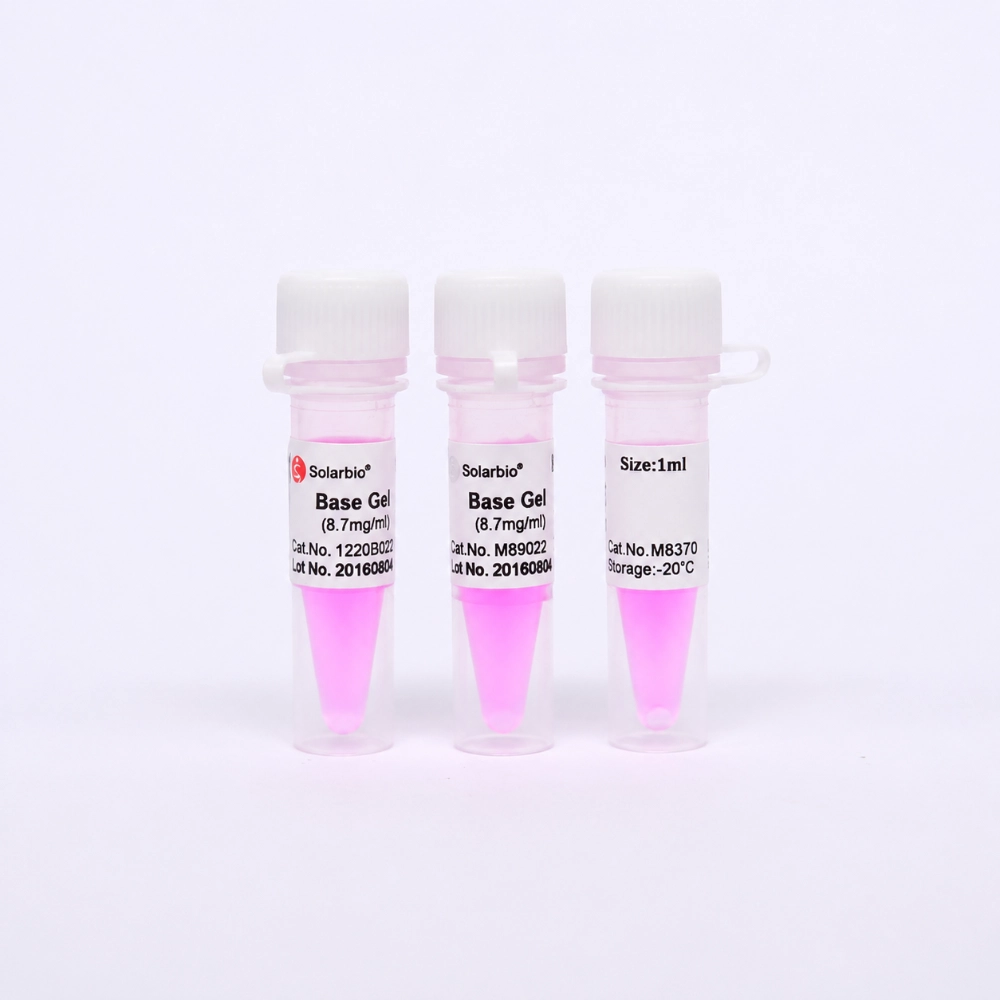
That does not mean one matrix works for every project. A tumor organoid, stem cell model, invasion assay, and in vivo plug assay can place very different demands on the matrix.
Researchers comparing matrix materials with other laboratory products can use the wider Solarbio product range as a starting point when planning a complete culture system.
Which Type of Matrixgel Should You Choose?
A standard matrix formulation is often suitable for general attachment, three-dimensional growth, migration, invasion, angiogenesis, and organoid work where naturally present growth factors do not create a problem.
Instead of adding a lot of growth factors to the matrix, for the experiments where we are trying to study the effects of growth factor signaling, it is better to leave the growth factor concentration low in the matrix. This is because the matrix itself is contributing to a very strong biological signal, and it would be very difficult to distinguish between a treatment effect and an effect of the culture, if the growth factor concentration is too high in the matrix.
Higher concentration Matrixgels, such as High Concentration Matrigel with Phenol Red, can provide increased mechanical support for applications involving stronger extracellular matrix requirements. For applications involving stem cells and organoids, specific formulations that allow for the optimal expansion, differentiation and organization of these cells are available instead of a simple coating.
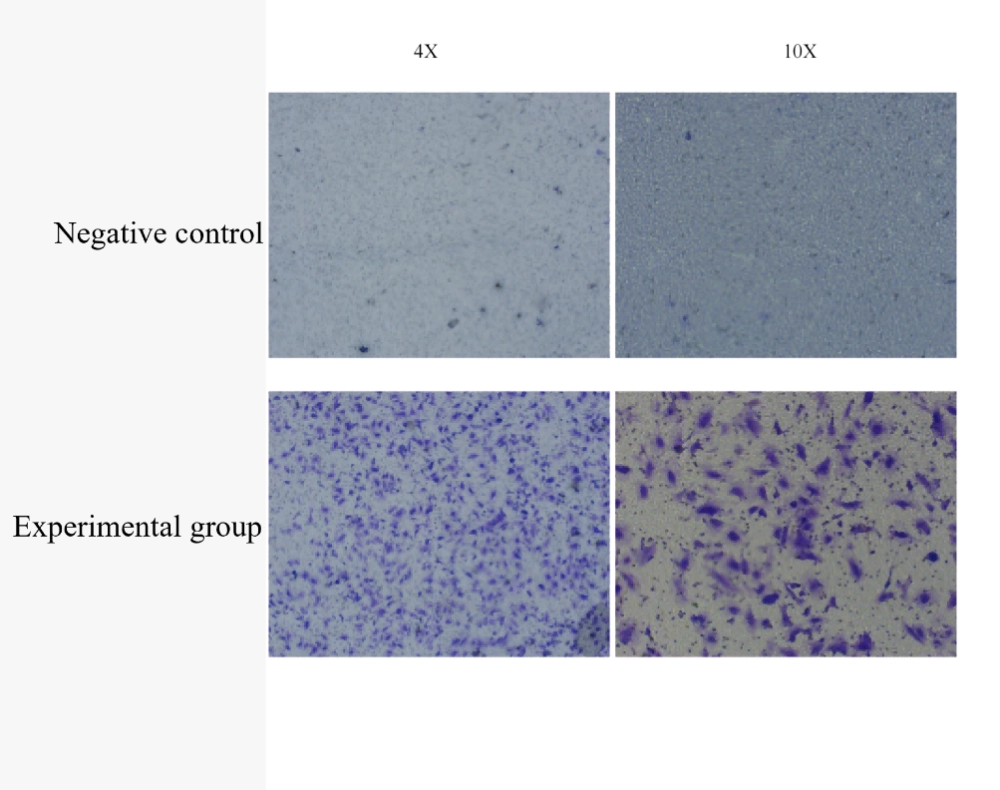
Phenol-red-free material may also be useful when color-sensitive or fluorescence-based detection is involved.
This work can be easily performed by choosing the matrix that is relevant to the biological question of interest rather than what happens to be in the freezer.
What Role Does Serum Play in Cell Culture?
Serum Is a Complex Culture Supplement
Serum is widely used for cell growth because it contains a broad spectrum of proteins, hormones, attachment factors, lipids, and nutrients in addition to other factors that are required for growth. Researchers usually evaluate Fetal Bovine Serum quality and consistency because serum variation can influence cell growth, morphology and experimental reproducibility.
The difficult part is that serum is biologically complex. Two cell lines may react differently to the same serum. The same cell line may also behave differently after a serum lot is changed.
For that reason, serum should not be treated as an invisible background ingredient. It can directly affect growth rate, morphology, viability, transfection, and downstream assay results.
A common working percentage may be useful as a starting point, but it should not automatically be copied into every protocol. Cell type, basal medium, passage number, treatment, and experimental endpoint all matter.
How Should Different Serum Grades Be Used?
Higher-grade Characterized Fetal Bovine Serum is generally more appropriate for demanding cultures such as primary cells, stem cells, sensitive lines, or experiments where cell condition needs to remain especially stable.
Routine fetal bovine serum can be a more practical choice for established cell lines that already grow reliably under standard conditions.
More economical serum options may work for robust cell lines or larger expansion work where the cells tolerate wider culture conditions. What matters is not choosing the most expensive serum. It is choosing a serum that gives repeatable behavior in the actual model.
Before changing lots in the middle of a long project, a small side-by-side test is worth doing. Growth, morphology, attachment, and the main experimental readout should stay reasonably consistent. For signaling studies, related cell biology pathways can also help when selecting downstream markers to check whether culture conditions are changing cell behavior.
Why Can Hidden Contamination Ruin a Good Experiment?
Mycoplasma Is Easy to Miss
Some culture problems are obvious. Fungal contamination or heavy bacterial growth usually changes the appearance of the culture quickly.
Mycoplasma is different. The medium can remain clear while the cells are already being affected.
Growth may slow down. Transfection efficiency can fall. Metabolism may change. Gene expression and protein production can shift. The cells can look fine even when they are dying, so days are wasted trying different media, serum, plasmids or even just changing the time of incubation without getting anywhere.
Routine penicillin-streptomycin should not be treated as a complete mycoplasma-control system because mycoplasma lacks the normal cell-wall structure targeted by many common antibacterial agents.
A useful contamination program needs prevention, routine screening, isolation of suspicious cultures, and a clear decision about whether an infected line should be discarded or rescued. Solarbio Mycoplasma Scavenger can be used as part of a contamination-control workflow to help reduce risks caused by mycoplasma contamination.
Prevention Is Better Than Rebuilding the Experiment
Contamination-control reagents can help, but laboratory practice still matters.
New cells should not go straight into the main culture area without checking their condition. Shared medium, serum, PBS, pipettes, aspiration systems, and water baths can all spread contamination from one culture to another.
When contamination is suspected, the affected culture should be separated first. Cleaning the work area and shared equipment is just as important as treating the cells themselves.
Visual inspection alone is not enough. Unusual particles under a microscope may be debris, precipitate, dying cells, or contamination. A proper detection method gives a much better basis for deciding what to do next.
Where Does Lip2000 Fit Into the Cell Culture Workflow?
Transfection Is Often a Delivery Problem
A plasmid can be built correctly and still give almost no expression if it does not enter the cells efficiently.
The same applies to siRNA and miRNA. The nucleic acid itself may be fine, but it needs a suitable delivery system.
Lip2000 Transfection Reagent is used in nucleic acid transfection workflows where researchers need to deliver materials such as plasmid DNA or small RNA into cultured cells.
Plasmid transfection is commonly used for gene overexpression, recombinant protein expression, and reporter assays. siRNA and miRNA transfection is more often used when the aim is gene silencing or functional analysis.
Transfection Conditions Still Need Optimization
No transfection reagent removes the need for optimization.
Cell density matters. So does cell condition. The ratio between nucleic acid and transfection reagent can affect both delivery and toxicity. Serum conditions, exposure time, plate format, and the type of cell being used also change the outcome.
A healthy, actively growing cell line is usually easier to work with than one that has been over-passaged, stressed, or contaminated.
This is also why poor transfection should not automatically be blamed on the reagent. Before changing the entire protocol, check cell health, confluence, nucleic-acid quality, contamination status, and the readout method.
Researchers who need help matching reagents or adjusting a workflow can use Solarbio’s technical service for product and application support.
How Should These Reagents Be Selected as One System?
Matrixgel, serum, contamination-control materials, and transfection reagents solve different problems, but they meet in the same culture flask.
For organoid work, start with the matrix and medium system because they determine whether the cells can establish the correct structure. Serum use depends on the model, and some organoid systems may use more defined culture conditions instead.
For standard cell culture, serum consistency and contamination control often have a bigger effect than researchers expect. When gene delivery is added, cell condition becomes even more important because unhealthy cells usually produce poor transfection data.
It helps to change one variable at a time. Switching the matrix, serum, transfection conditions, and medium together may produce a better result, but it also makes it impossible to know which change actually solved the problem.
Solarbio has worked in life science research products since 2004 and covers cell biology, molecular biology, immunology, biochemical reagents, detection kits, and related laboratory tools. More information about its product and quality systems is available about Solarbio.
Conclusion
Good cell culture is rarely about one miracle reagent.
Matrixgel gives three-dimensional cultures the physical environment they need. Serum helps supply nutrients and biological support. Contamination-control products protect the culture from problems that can quietly change experimental results. Lip2000 helps move nucleic acids into cells when the project requires gene overexpression or silencing.
Each product has a clear job, and each one can fail when it is used outside the conditions that suit the model.
For a new experiment, it is usually better to run a small pilot first. Check cell morphology, growth, contamination status, and the main assay readout before committing valuable samples to a large run. If the culture still behaves unpredictably, researchers can contact Solarbio to discuss product selection and experimental requirements.
FAQ
What are the most important reagents for organoid and cell culture experiments?
The exact combination depends on the model, but extracellular Matrixgel, suitable culture medium, serum or defined supplements, contamination-control materials, and transfection reagents are common parts of many workflows. Organoid systems usually place more emphasis on extracellular matrix support and controlled growth signals.
Is standard Matrixgel suitable for every organoid model?
No. Standard matrix works for many general applications, but growth-factor-reduced, higher-concentration, stem-cell-oriented, or organoid-specific formulations may be better for certain projects. The choice should match the tissue source and the question being studied.
Does more serum always improve cell growth?
No. More serum does not automatically mean better culture. Excess serum can change signaling, differentiation, metabolism, and assay background. The final concentration should be tested with the specific cell type and experimental endpoint.
Why can mycoplasma contamination be difficult to detect?
Mycoplasma contamination may not make the culture medium cloudy. Cells can continue growing while showing slower proliferation, altered metabolism, poor transfection, or inconsistent experimental results. Routine screening is more reliable than visual inspection alone.
 Consult
 Whatsapp
 Leave Message
 top
top