



Noticias relacionadas
Kits de ensayo de actividad de proteasa: Pruebas de proteasa en medio ácido, neutro, alcalino y en suelo.
Tabla de Contenidos
La proteasa es frecuente. Se encuentra en el intestino de los animales, en muchas plantas y en organismos diminutos como bacterias y hongos. Se detecta durante la elaboración de alimentos, la fabricación de jabones, la preparación de piensos para animales, el procesamiento de pieles, la descomposición de proteínas o los análisis de suelo.
Su amplio uso se debe a una función clara: rompe los enlaces entre los aminoácidos de las proteínas. Los fragmentos proteicos grandes se convierten en péptidos pequeños o aminoácidos individuales. Este proceso, aparentemente sencillo, tiene múltiples aplicaciones prácticas. Los fabricantes de alimentos obtienen mejor sabor y textura. Las fórmulas de jabón eliminan las manchas de proteínas de la ropa. Los productos para el suelo liberan nitrógeno de la materia orgánica muerta. Este nitrógeno alimenta a los microorganismos y favorece el crecimiento de los cultivos.
Los técnicos de laboratorio suelen preguntar qué tipo de muestra deben analizar. Los tipos ácido, neutro y alcalino requieren diferentes niveles de pH. Los tipos de muestra y los objetivos de las pruebas también varían. Por eso es importante contar con el kit de análisis adecuado.
Proteasa ácida, neutra y alcalina
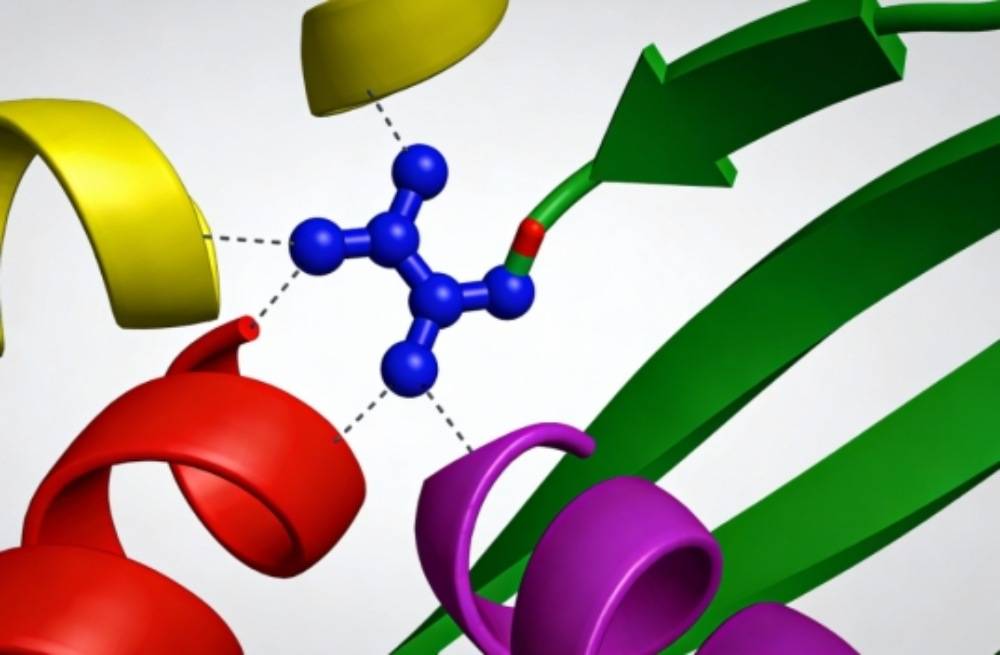
Estas enzimas se agrupan según su pH óptimo. Este método permite visualizar rápidamente dónde se ubica cada una y qué función cumple.
|
Tipo |
pH óptimo |
Características comunes |
Aplicaciones típicas |
|
proteasa ácida |
pH 2,0–5,0 |
Funciona en sistemas ácidos, a menudo relacionado con la actividad de la proteasa aspártica. |
Fermentación de alimentos, investigación digestiva, procesamiento de muestras ácidas |
|
proteasa neutra |
pH 6,0–7,5 |
Funciona cerca de pH neutro, amplio rango de hidrólisis. |
Procesamiento de alimentos, aditivos para piensos, extracción de proteínas |
|
Proteasa alcalina |
pH 9.0–11.0 |
Funciona en sistemas alcalinos y suele ser eficaz en la degradación de proteínas. |
Detergentes, procesamiento de cuero, hidrólisis de proteínas industriales |
La proteasa ácida permanece activa cuando el pH es bajo. La pepsina en el estómago es un ejemplo claro. Los trabajadores la detectan cuando la muestra o el proceso se mantiene ácido. La elaboración de alimentos, el corte de proteínas a pH bajo y las pruebas de enzimas intestinales son lugares habituales para su detección.
La proteasa neutra prefiere un pH cercano a siete. Su estructura puede variar según la fuente. Algunas actúan como cisteína, otras como metaloproteínas y unas pocas como serina. La papaína y las formas neutras de metaloproteína son frecuentes. En condiciones suaves, se utiliza en la industria alimentaria, en la mejora de piensos y en la extracción de proteínas.
La proteasa alcalina prefiere un pH alto. Muchas pertenecen a grupos de serina. Algunas son de tipo metálico. Los fabricantes de jabón la prefieren porque el agua de lavado suele ser básica. También se utiliza en procesos de lavado y algunos análisis médicos. Algunas variantes mantienen su actividad incluso con altas temperaturas, por lo que son adecuadas para procesos industriales.
La preferencia por el sustrato también es importante.
La agrupación por pH proporciona los primeros datos. Lo que cada uno prefiere cortar proporciona los siguientes datos.
Las enzimas alcalinas suelen seleccionar aminoácidos neutros de cadena larga como el triptófano, la tirosina y la fenilalanina. La tripsina corta después de la arginina o la lisina. La papaína corta de forma más amplia, aunque sigue prefiriendo las cadenas laterales oleosas largas. Las enzimas ácidas también tienden a cortar aminoácidos oleosos.
Las muestras reales rara vez coinciden con un solo enlace. La mayoría de las formas siguen cortando incluso cuando el enlace no es perfecto. La velocidad simplemente disminuye. Por eso una misma enzima puede dar resultados diferentes en distintas mezclas.
Dónde se utiliza la proteasa en la industria
La proteasa ya desempeña funciones específicas en varios ámbitos laborales.
Las plantas procesadoras de alimentos lo utilizan para dividir las proteínas en fragmentos más pequeños. Mejora el sabor, la textura y la facilidad de uso. Se beneficia de ello en procesos como la elaboración de lácteos, la producción de cerveza, el procesamiento de la soja, el ablandamiento de la carne y la preparación de péptidos.
Las fórmulas de jabón incorporan agentes alcalinos para eliminar las manchas de proteínas. Las manchas de sangre, leche, huevo y sudor contienen proteínas. El jabón solo suele dejar residuos. La proteasa descompone las manchas en pequeños fragmentos para que el agua las elimine.
Las plantas de cuero lo utilizan para la depilación y suavizado. El proceso enzimático es más suave que los baños químicos fuertes. Las plantas de alimentación lo añaden para aumentar la absorción de proteínas. Las plantas de péptidos controlan el corte para crear mezclas fijas o piezas activas.
Los laboratorios lo utilizan para el análisis de muestras, estudios de proteínas, búsqueda de enzimas y análisis de enzimas intestinales. Los datos de actividad son más importantes que el nombre en sí.
Proteasa del suelo y ciclo del nitrógeno
La proteasa también actúa en el suelo sin que apenas se note.
El suelo contiene abundante nitrógeno orgánico. Las plantas no pueden absorberlo casi por completo. Las proteínas provenientes de desechos vegetales, células microbianas, fluidos radiculares y materia animal deben descomponerse primero. Las proteasas del suelo se encargan de este proceso, transformando las proteínas en péptidos y aminoácidos. Posteriormente, el nitrógeno se libera.
Las formas del suelo provienen principalmente de los microbios y las raíces. Se dividen en grupos ácidos, neutros y alcalinos según su pH óptimo.
La proteasa ácida del suelo actúa en suelos con pH bajo, como los suelos rojos, amarillos y las capas forestales. Libera nitrógeno en condiciones ácidas. El pH del suelo, la materia orgánica, el calor y los fertilizantes influyen en su velocidad. Los fertilizantes orgánicos suelen potenciar su acción, ya que aportan materia orgánica y favorecen el crecimiento de microorganismos.
La proteasa neutra del suelo funciona mejor en tierras de cultivo con pH cercano a la neutralidad. Su actividad está estrechamente relacionada con la biomasa microbiana, la descomposición de la materia orgánica y la riqueza del suelo. Las pruebas de su acción proporcionan un indicador claro de la salud del suelo.
La proteasa alcalina del suelo permanece activa en suelos salinos o ricos en cal y en pilas de compost. Descompone la materia proteica en entornos básicos, incluyendo desechos animales y materia orgánica simple. Algunas variantes toleran temperaturas más elevadas, por lo que siguen funcionando durante los meses cálidos o en los procesos de compostaje.
Los agricultores controlan la actividad de las proteasas del suelo porque indica la velocidad de renovación del nitrógeno orgánico. Una mayor actividad suele indicar una flora microbiana activa y un suministro constante de nitrógeno. Esta prueba no sustituye los análisis químicos, pero ofrece una visión más completa del estado del suelo.
Por qué es importante realizar pruebas de actividad de la proteasa
Las pruebas de actividad son útiles en muchas tareas cotidianas.
Los fabricantes de enzimas comparan cepas, extraen pasos o procesan lotes según los datos. Los equipos de alimentos y piensos evalúan si una fuente es adecuada. Los equipos de suelos observan la persistencia de los cambios de nitrógeno.
Los valores pueden variar fácilmente. El pH, la temperatura, el método de extracción, el tiempo de ejecución y el almacenamiento influyen en el resultado. Una mala combinación entre el kit y la muestra puede generar lecturas bajas incluso cuando la enzima activa está presente en la mezcla. Mezclar formas ácidas, neutras y alcalinas aumenta la probabilidad de este error.
Para obtener valores estables, se necesita un kit adecuado a la muestra y al rango de pH. El suelo requiere un proceso específico. Las formas ácidas necesitan condiciones ácidas. Pequeñas decisiones como estas determinan el resultado final.
Opciones del kit de ensayo de actividad de proteasa de Solarbio
Solarbio ofrece kits para análisis generales de proteasas, pruebas de enzimas del suelo y análisis de enzimas intestinales. La línea proporciona a los usuarios una solución fiable para análisis rutinarios.
|
Número de catálogo |
Nombre del producto |
|
Kit de ensayo de actividad de proteasa ácida |
|
|
Kit de ensayo de actividad de proteasa neutra |
|
|
Kit de ensayo de actividad de proteasa ácida del suelo |
|
|
BC0270 / BC0275 |
Kit de ensayo de actividad de proteasa neutra del suelo |
|
BC0880 / BC0885 |
Kit de ensayo de actividad de proteasa alcalina del suelo |
|
Kit de ensayo de actividad de pepsina |
|
|
BC2330 / BC2335 |
Kit de ensayo de actividad de quimotripsina |
|
BC2310 / BC2315 |
Kit de ensayo de actividad de tripsina |
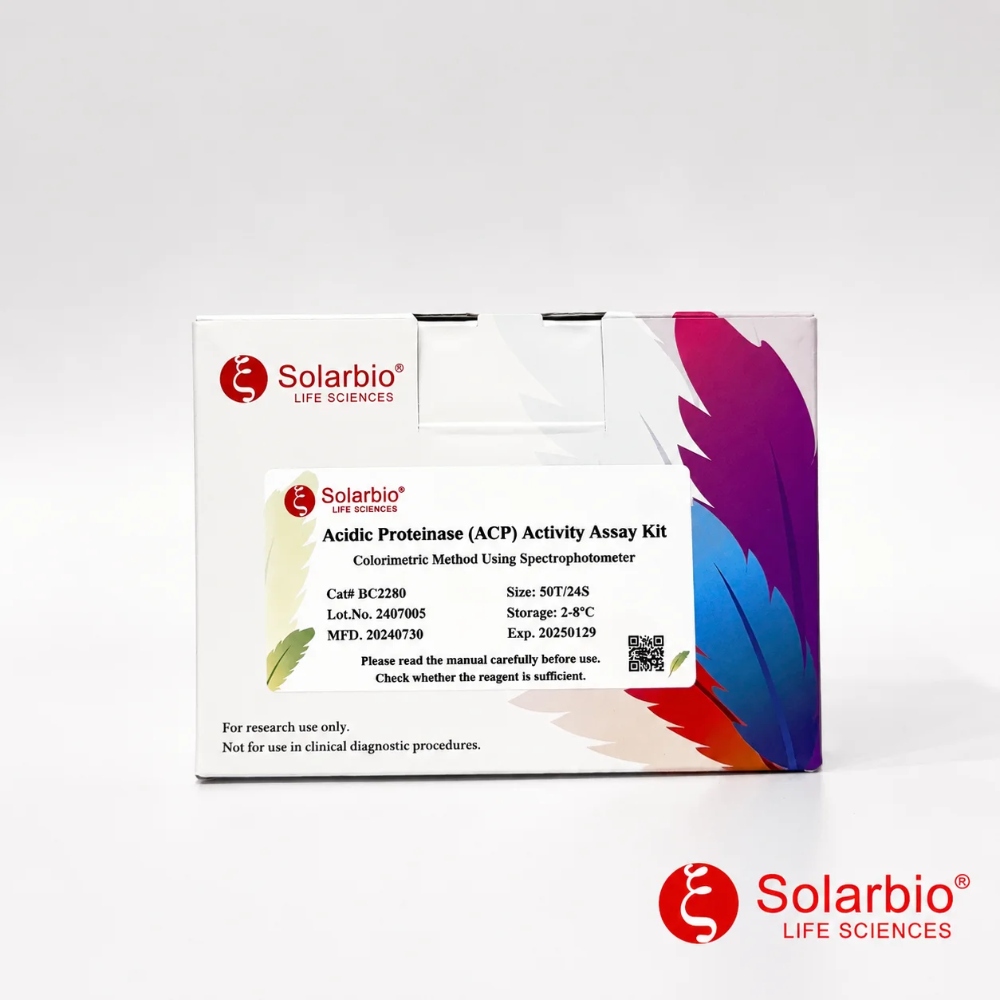
Para el análisis del suelo centrado en los cambios de nitrógeno, se recomiendan los kits para suelos. Para el análisis de enzimas intestinales, se utilizan los kits de pepsina, tripsina o quimotripsina. Para comprobaciones generales de acidez o neutralidad, se pueden usar los kits BC2280/BC2285 o BC2290/BC2295.
Solarbio se fundó en 2004. Suministra reactivos y kits para trabajos en ciencias biológicas. Su catálogo incluye kits bioquímicos, herramientas moleculares, reactivos celulares, productos inmunológicos, estándares, compuestos de bajo peso molecular y material de laboratorio. Los usuarios que necesitan análisis consistentes y registros de lotes claros encuentran útil esta gama de productos. Las pruebas de proteasa suelen estar relacionadas con la medición de proteínas, el análisis de la ruta metabólica del nitrógeno, el estudio de enzimas del suelo o la preparación de muestras.
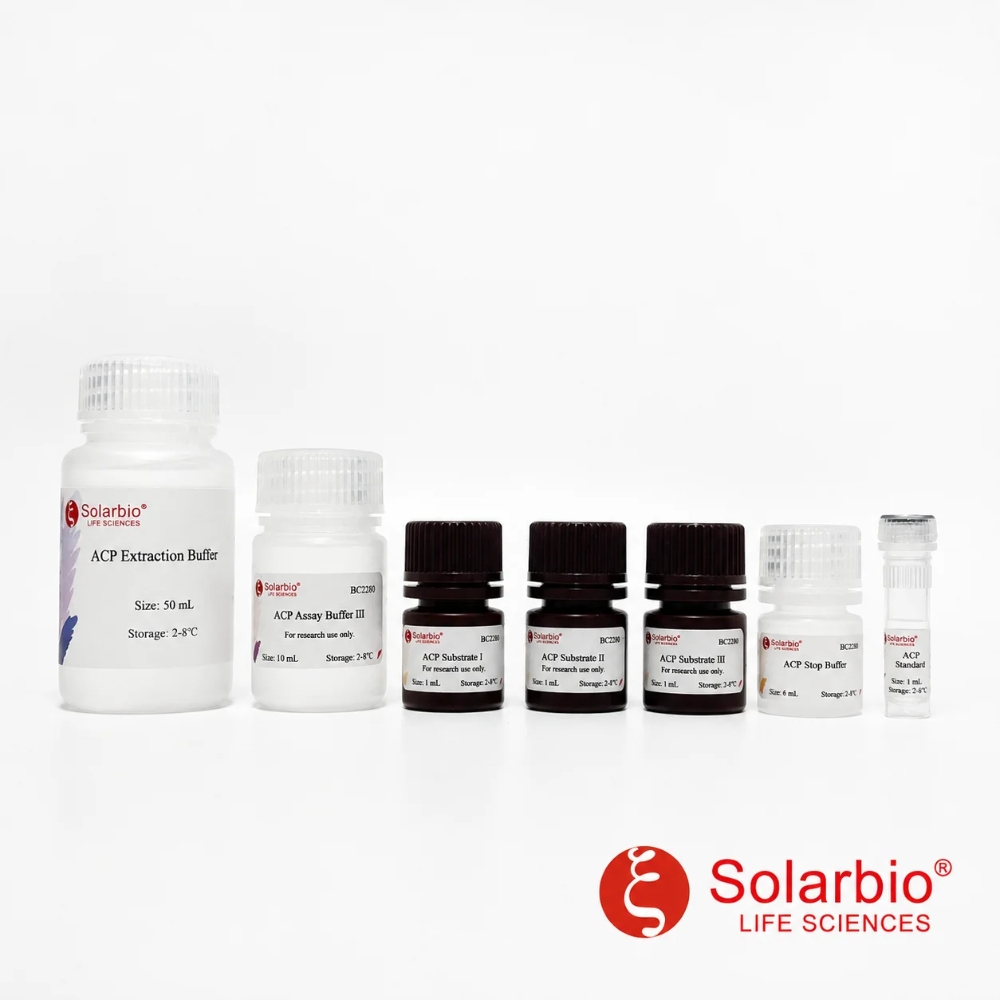
Cómo elegir el kit de proteasa adecuado
El tipo de muestra es lo primero. El suelo, las plantas, los animales, los microbios y el fluido intestinal requieren cada uno sus propios pasos de extracción y se enfrentan a diferentes niveles de ruido de fondo.
A continuación, se considera el pH. Las formas ácidas, neutras y alcalinas deben funcionar en condiciones similares. La sola presencia de la palabra proteasa no determina la elección.
El objetivo del estudio guía la elección. Los análisis de la salud del suelo, las pruebas de enzimas alimentarias y los análisis de enzimas intestinales requieren kits diferentes.
Las herramientas de laboratorio también son importantes. Compruebe que el método sea compatible con el espectrofotómetro o lector de placas que tenga a mano.
Las series largas requieren una única línea de kits para todos los lotes. Esta elección reduce la variación adicional en el conjunto de datos.
Conclusión
La proteasa cumple diversas funciones, ya que su degradación proteica es básica pero útil. Las formas ácida, neutra y alcalina presentan rangos de pH y aplicaciones específicas. En la industria, se utiliza en procesos alimentarios, jabones, curtido de pieles, piensos y preparación de péptidos. En el suelo, la enzima transforma el nitrógeno orgánico en formas que los microorganismos y las plantas pueden absorber.
Para los equipos de laboratorio, la clave está en usar el kit adecuado. Una prueba de acidez del suelo, una prueba de neutralidad y una prueba de tripsina no son intercambiables. Una buena correspondencia entre el kit, la muestra y el objetivo proporciona resultados consistentes en repeticiones y entre diferentes equipos.
Solarbio Los kits de proteasas abarcan los tipos más comunes, las formas presentes en el suelo y las enzimas intestinales. Los equipos que trabajan en la acción enzimática, la salud del suelo, el flujo de nitrógeno o la degradación de proteínas pueden comenzar con pruebas rutinarias utilizando estos kits.
Preguntas frecuentes
P1: ¿Cuál es la diferencia entre la proteasa ácida, la proteasa neutra y la proteasa alcalina?
A1: La principal diferencia radica en su pH óptimo. La proteasa ácida funciona mejor en condiciones ácidas, la proteasa neutra funciona cerca de un pH neutro y la proteasa alcalina funciona mejor en sistemas alcalinos.
P2: ¿Qué kit de Solarbio se puede utilizar para medir la actividad de la proteasa ácida del suelo?
A2: Para la actividad de la proteasa ácida del suelo, se puede utilizar el kit de ensayo de actividad de la proteasa ácida del suelo Solarbio BC0860 / BC0865.
P3: ¿Qué kit es adecuado para el análisis de proteasa neutra en el suelo?
A3: El kit de ensayo de actividad de proteasa neutra del suelo Solarbio BC0270 / BC0275 es adecuado para la medición de la actividad de la proteasa neutra del suelo.
P4: ¿Qué producto se debe seleccionar para evaluar la actividad de la proteasa alcalina del suelo?
A4: El kit de ensayo de actividad de proteasa alcalina del suelo Solarbio BC0880 / BC0885 está diseñado para analizar la actividad de la proteasa alcalina del suelo.
P5: ¿Puede la actividad de la proteasa reflejar la fertilidad del suelo?
A5: Sí. La actividad de la proteasa del suelo está relacionada con la descomposición del nitrógeno orgánico, la actividad microbiana y la transformación de los nutrientes del suelo, por lo que puede utilizarse como un indicador biológico de la fertilidad del suelo.
P6: ¿Por qué el pH afecta tanto la actividad de la proteasa?
A6: La estructura y la actividad catalítica de la proteasa dependen del pH. Si el pH de la reacción no es el adecuado, la actividad enzimática puede disminuir y el resultado de la prueba podría no reflejar el nivel de actividad real de la muestra.
P7: ¿Cómo debo elegir entre un kit de proteasa general y un kit de proteasa para suelos?
A7: Elija según el tipo de muestra y el propósito de la investigación. Para la investigación de enzimas del suelo, los kits de proteasa del suelo son más adecuados. Para muestras biológicas generales, se puede utilizar el kit de ensayo de actividad de proteasa ácida o el kit de ensayo de actividad de proteasa neutra, según el pH objetivo.
P8: ¿Solarbio proporciona kits para proteasas digestivas?
A8: Sí. Solarbio ofrece el kit de ensayo de actividad de pepsina BC2320 / BC2325, el kit de ensayo de actividad de quimotripsina BC2330 / BC2335 y el kit de ensayo de actividad de tripsina BC2310 / BC2315.
 Consultar
 Aplicación Whatsapp
 Dejar mensaje
 arriba