




A Guide to Building a Sandwich ELISA
Table of Contents
Sandwich ELISA is widely recognized as one of the most reliable immunoassay techniques for quantifying protein levels in scientific research. When accuracy, precision, and reproducibility are prioritized—essential for credible research outcomes—a rigorous protocol paired with high-quality materials becomes indispensable. This guide systematically walks you through the step-by-step process of establishing a Sandwich ELISA, while also illustrating how Beijing Solarbio Science & Technology Co., Ltd. (Solarbio) serves as a steadfast material supplier, seamlessly integrating into laboratory workflows to support long-term research needs.
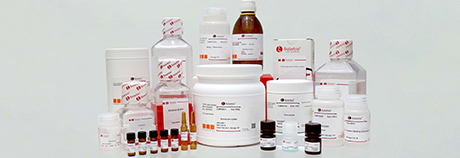
Founded in 2004, Solarbio has evolved into a full-service supplier of life science research materials, with core strengths in antibodies, recombinant proteins, ELISA kits, and immune detection reagents. The company provides researchers with comprehensive solution packages and a diverse portfolio of high-quality products tailored to experimental needs. Whether you are establishing a new Sandwich ELISA workflow or optimizing an existing assay, Solarbio delivers the professional technical support and reliable supply chain that laboratories rely on for consistent research progress.

Introduction To Sandwich ELISA
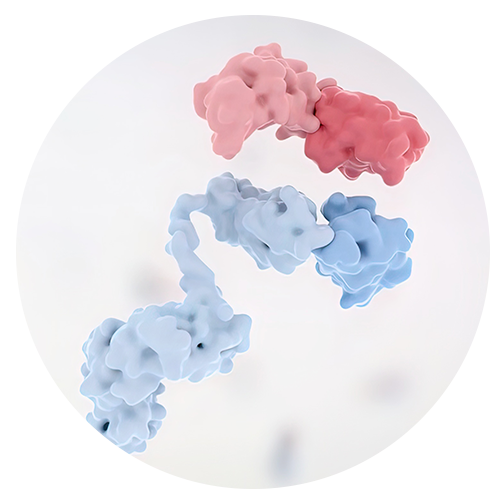
Researchers frequently opt for Sandwich ELISA due to its unique combination of high accuracy and user-friendly operation. At the core of this assay lies a dual-antibody system: two antibodies that specifically bind to distinct epitopes of the same target analyte, forming a “sandwich” structure that enables precise detection and quantification. Before delving into the practical experimental steps, it is valuable to understand the critical role of well-designed ELISA kits in optimizing this immunoassay approach.
What Is a Sandwich ELISA?
Sandwich ELISA utilizes a capture antibody immobilized on a stable solid support, paired with a labeled detection antibody that binds directly to the target analyte. This design minimizes non-specific binding and streamlines the workflow, as it eliminates the need for a secondary antibody. When antibody pairs are properly optimized, the assay is particularly well-suited for detecting low-abundance targets—a key advantage in many research scenarios where trace protein quantification is critical.
Overview of Beijing Solarbio Science & Technology Co Ltd ELISA Solutions
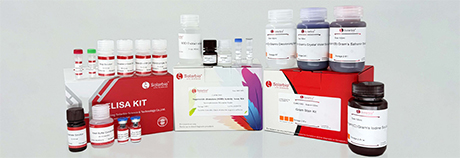
Solarbio delivers a specialized and versatile portfolio of ELISA products to meet diverse research demands. Covering common research species (human, mouse, rat, etc.), multiple research objectives (basic research, preclinical studies), and flexible assay formats (sandwich, competitive, direct/indirect ELISA), the product line caters to various experimental scenarios. All core components, including antibodies and substrates, undergo strict in-house validation to ensure reliability. Complemented by pre-optimized supporting reagents like blocking and wash buffers, Solarbio’s ELISA solutions eliminate compatibility issues, simplify experimental workflows, and provide researchers with a seamless, efficient experience from setup to result acquisition.
Sandwich ELISA Fundamentals for Reliable Results?
A robust ELISA assay depends on much more than merely following a protocol—researchers must also understand how the core components interact synergistically throughout the process, while accounting for how material quality impacts final results. This section explores the key factors that determine the overall performance of the assay.
Key Components of a Sandwich ELISA
The core components of the assay include a high-affinity capture antibody, a cognate detection antibody, an enzyme-conjugated label, a chromogenic substrate such as TMB (3,3′,5,5′-tetramethylbenzidine), and a stable solid-phase support. Each component must maintain structural and functional integrity throughout the assay to ensure accurate and reproducible signals.
Benefits of Sandwich ELISA in Research Applications
Compared with other formats, the sandwich ELISA reduces non-specific signals and simplifies the workflow. These advantages make it particularly well-suited for mechanism studies, pathway analyses, and quantitative measurements in fields such as immunology and cell biology.
How Do You Choose the Right ELISA Kit?
Selecting the appropriate ELISA kit directly impacts the ease of your assay and the quality of your results. The right choice can minimize troubleshooting later on, save valuable time and effort, and help protect your valuable samples.
How Solarbio ELISA Kit Product Line Supports Sandwich ELISA
Solarbio offers a comprehensive range of high-performance ELISA kits designed to support reliable sandwich ELISA workflows. Each kit is manufactured under stringent quality control standards, ensuring consistent performance and minimal batch-to-batch variation.
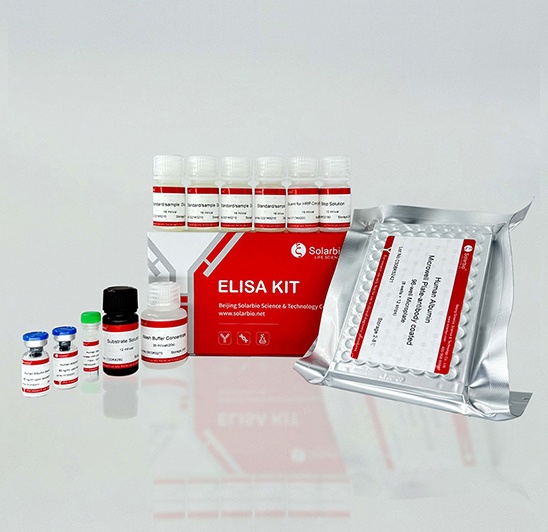
ELISA Kit Selection Criteria for Optimal Results
When selecting an ELISA kit, key factors to evaluate include antibody affinity, detection sensitivity (limit of detection, LOD), species cross-reactivity, and signal stability. A thorough assessment of these parameters ensures the assay setup is tailored to your specific research objectives, laying the foundation for reliable and reproducible results.
Comparing Solarbio ELISA Kits with Similar Research-Grade Kits
Solarbio ELISA kits are developed based on extensive scientific literature and validated across a wide range of research applications. The pre-integrated design of antibodies, recombinant proteins, and core reagents eliminates compatibility issues during assay setup. Furthermore, this streamlined reagent integration ensures smoother experimental workflows and reduces the need for tedious optimization adjustments.
How to Build a Sandwich ELISA Step by Step?
A well-structured experimental protocol ensures that each step contributes to reliable, reproducible results rather than introducing variability. This section outlines a step-by-step workflow for performing a sandwich ELISA efficiently, using standard laboratory reagents and equipment throughout.
Preparing Reagents with Solarbio ELISA Kit Components
Start by equilibrating all kit components to room temperature (typically 20-25°C) to ensure consistent reactivity—temperature fluctuations can adversely affect assay performance. Subsequently, prepare buffers in strict accordance with the kit instructions, including dilution ratios and mixing protocols. Solarbio ELISA kits are engineered to minimize experimental errors during setup: pre-calibrated reagent volumes and optimized formulations not only simplify preparation but also maintain enzyme activity throughout storage and experimental use, preserving the stability of key reaction components.
Performing Plate Coating and Sample Addition
First, immobilize the capture antibody onto the microplate wells following the recommended concentration and incubation conditions. After coating, perform a blocking step to saturate unoccupied binding sites on the plate surface—this critical step reduces non-specific binding, a major source of background noise. Finally, add samples under consistent conditions to ensure uniform reaction environments.
Developing and Reading Signals in Sandwich ELISA
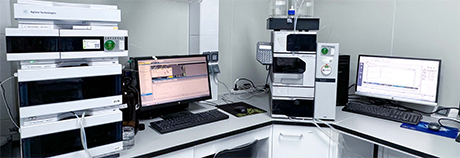
Following incubation with the enzyme-conjugated detection antibody and subsequent washing to remove unbound reagents, add the chromogenic substrate (e.g., TMB) and monitor the color development closely—stop the reaction precisely at the recommended time to avoid signal saturation. Solarbio provides substrates and enzyme conjugates that are specifically optimized for stable, reproducible signal generation. This tailored reagent system ensures accurate absorbance readings via a microplate reader, with signals directly proportional to the target analyte concentration for reliable quantification.
How Do You Troubleshoot Common Sandwich ELISA Challenges?
Low signal is a prevalent issue in sandwich ELISA, typically resulting from suboptimal antibody concentrations, insufficient incubation time/temperature, improper reagent storage, or sample dilution that places the analyte below the assay’s working range. Addressing these factors—such as adjusting antibody concentrations to the kit-recommended range, strictly following incubation protocols, and verifying reagent integrity before use—can effectively enhance signal intensity.
Reducing Background Noise with Proper ELISA Kit Use
High background noise, which obscures specific signals, is often associated with insufficient blocking , incomplete washing steps (residual unbound detection antibody or sample components), overly concentrated detection antibody, or accidental plate drying between workflow steps. Practical solutions include optimizing blocking conditions, increasing wash stringency within acceptable limits, and standardizing incubation timing to minimize non-specific binding—all of which reliably lower background levels.
Addressing Low Signal and Kit Optimization Tips
Weak signals can also stem from poor antibody-antigen interactions or degraded reagents. Choosing rigorously tested ELISA kits from Solarbio mitigates these risks: their pre-validated antibody pairs, optimized reagent formulations, and strict quality control ensure robust binding efficiency and reagent stability. Additionally, Solarbio kits simplify assay optimization with clear, step-by-step guidelines, reducing the time and effort needed to fine-tune experimental setups for optimal signal output.
Tips for Consistent and Reproducible Assay Performance
Consistent, reproducible results rely on three core factors: controlled incubation periods, precise liquid handling (to ensure uniform reagent volumes), and high-quality, reliable materials. Solarbio meets these requirements through standardized manufacturing processes, which guarantee batch-to-batch consistency of all kit components. This level of quality support enables laboratories to maintain high experimental standards across every assay run, ensuring data reliability and reproducibility.
What Are Best Practices for ELISA Quality Control?
Implementing robust quality control (QC) measures is essential for ensuring the accuracy of ELISA results and maintaining consistent performance across multiple experiments.
Importance Of Standard Curve And Control Samples
Including appropriate standards and control samples is essential for verifying that the ELISA responds linearly and sensitively to the target analyte. Solarbio ELISA kits come with pre-calibrated reagents, and many include optimized standards and recommended controls. When used with proper plate-level quality control, these components help ensure consistent, reliable quantification across experiments.
Maintaining Kit Storage And Handling Standards
Proper storage and handling are essential for preserving the stability and activity of ELISA reagents. Solarbio follows ISO-based quality practices during manufacturing and provides clear storage guidelines for each component. Adhering to these recommendations helps prevent reagent degradation and ensures consistent performance over the kit’s shelf life.
Ensuring Data Reliability With Solarbio Support And Services
Solarbio provides more than just high-quality reagents. It also offers comprehensive technical support and resources that help researchers follow best practices and maintain reliable, consistent assay performance.
Why Choose Solarbio For Sandwich ELISA Research?
Steady, reliable research depends on consistent product quality and strong technical support. By choosing Solarbio, researchers gain access to high-performance ELISA solutions and expert resources that align with the demands of modern sandwich ELISA workflows. With optimized reagents, strict quality control, and responsive technical assistance, Solarbio helps streamline experiments, reduce variability, and support the generation of dependable, reproducible data.
Solarbio Scientific Expertise and Global Support Network
Backed by profound scientific expertise in immunoassay development, Solarbio has established an extensive global distribution network with strategic hubs across key regions. This well-structured setup enables rapid technical responses, timely troubleshooting support, and consistent, reliable delivery to laboratories worldwide—whether in academic institutions, research centers, or industrial facilities. By minimizing lead times and ensuring seamless access to high-quality ELISA reagents and expertise, this global network empowers researchers to keep their sandwich ELISA workflows on track, eliminating unnecessary delays that could hinder experimental progress.
Product Quality And Verification Of Solarbio Elisa Kits
Solarbio ELISA kits are widely used in diverse research applications and undergo rigorous testing throughout development and production. These stringent quality control measures ensure that each kit meets the performance standards required for demanding research projects. Users consistently report high satisfaction, citing reliable results, strong signal performance, and consistent batch-to-batch quality in real-world experimental settings.
Enhancing Research Outcomes with Solarbio Resources
These tools facilitate the planning and execution of assays, thereby supporting robust research findings and advancing scientific objectives.
FAQ
Q1: What makes sandwich ELISA suitable for protein detection?
A: It uses two antibodies recognizing different epitopes of the target protein, which enhances specificity and reduces background interference—ideal for quantifying both high- and low-abundance targets.
Q2: Why should you choose Solarbio ELISA kits for research?
A: Solarbio ELISA kits offer validated performance, stable supply, and strong technical support tailored to research laboratories.
Q3: How can you reduce variability in sandwich ELISA assays?
A: Use standardized kits, follow consistent protocols, and apply proper quality control with standards and controls.
Q4: Where can you find technical support for ELISA assay development?
A: Solarbio provides technical resources, product documentation, and consultation through its website, email support, and other service platforms.
 Consult
 Whatsapp
 Leave Message
 top
top