



Exploring In Vivo and In Vitro Antibody Production Method
Table of Contents
Antibody production serves as an essential phase in life science investigations, particularly within fields like immunology, diagnostics, and drug development. When organizing an experiment, the technique applied to create antibodies directly influences precision, reliability, and subsequent uses.
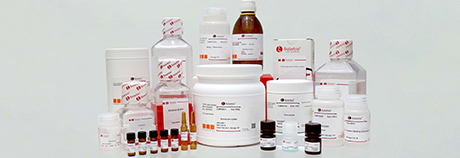
Numerous investigators presently opt for vendors that manage the complete procedure. Beijing Solarbio Science & Technology Co., Ltd. represents one such vendor. Established in 2004, the firm merges investigative work, manufacturing activities, and support services. It delivers antibodies, ELISA kits, recombinant proteins, and associated materials. The firm’s inventory extends across molecular biology, cell biology, and immunology. More than 100,000 items exist in availability, while over 18,000 antibodies remain stocked for immediate use.
Selecting between in vivo and in vitro antibody production extends beyond a mere technical judgment. This selection mirrors the objectives of the initiative, the schedule involved, and the surrounding circumstances of the study.
What Are In Vivo and In Vitro Antibody Production Methods?
In vivo and in vitro antibody production vary primarily in the site where antibodies emerge.
In vivo production occurs within living animals. Creatures like mice or rabbits undergo immunization. As a result, their immune systems generate antibodies naturally in response to the inserted antigen.
In vitro production proceeds outside of active biological entities. Antibodies arise from cultivated cellular groups or recombinant arrangements under supervised laboratory environments.
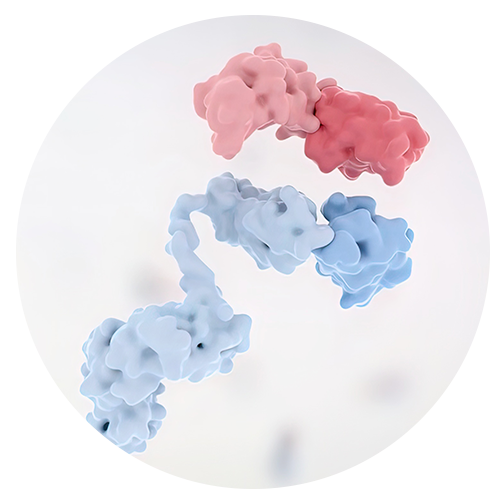
Antibodies consist of Y-shaped protein structures released from plasma cells. These structures detect particular antigens, including disease agents or designated proteins. They fulfill a vital function in investigative efforts as well as in healing treatments.
The technique chosen affects more than just the caliber of antibodies. It also determines the simplicity of incorporation into evaluations such as ELISA or immunostaining.
How Does In Vivo Antibody Production Work?
In vivo production starts with antigen preparation and the immunization. After the antigen is delivered into the animal, the immune system activates B cells to produce antigen-specific antibodies.
The antibodies can be harvested as polyclonal serum, or further processed to produce monoclonal antibodies via hybridoma technology.
Multiple experimental parameters determine the final outcomes. Antigen purity, immunization regimens, and adjuvant selection directly affect antibody titers and specificity.
Optimized protocols can greatly shorten the production cycle. For instance, polyclonal antibody production in mice typically takes 4–6 weeks with efficient immunization strategies. Moreover, only 50–100 µg of antigen is required, which is ideal for limited samples.
This method is particularly suitable for generating antibodies that recognize native protein conformations.
What Are the Advantages of In Vivo Antibody Production?
In vivo production presents various biological merits.
Antibodies arising from innate defensive reactions commonly exhibit strong attachment and precision. The immune system chooses the superior functioning antibodies. Thus, this choice bolsters the effectiveness of attachments.
Post-translational modifications are preserved. Such alterations often hold importance for particular operational evaluations.
This technique additionally demonstrates economic viability for producing substantial quantities of antibodies after completing the immunization phase.
What Are the Advantages of In Vitro Antibody Production?
In vitro production furnishes adaptability and command.
It circumvents the employment of creatures, an aspect that regulatory frameworks sometimes mandate avoiding.
It facilitates meticulous construction of antibody compositions. Designated configurations become achievable, including Fab fragments or recombinant antibodies possessing specified attributes.
The capacity for enlargement represents yet another merit. Following the foundation of a cellular strain, the generation can broaden with foreseeable yields.
High-throughput screening also becomes attainable. Extensive collections of antibodies can undergo swift assessment. This feature aids advancements in drug development and the pinpointing of biomarkers.
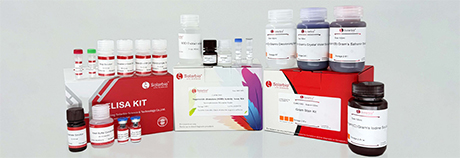
Validation assays are critical in this area. ELISA kits, to cite one, enjoy broad application in gauging antibody efficacy. Certain inventory arrangements address exceeding 1,400 objectives spanning diverse species. They supply high sensitivity and specificity.
How Do You Choose Between In Vivo and In Vitro Methods?
The determination relies upon the requirements of the study.
In situations where the antigen displays an intricate composition or necessitates innate shaping, in vivo production frequently aligns more closely.
When firm uniformity or intentions for expansive generation arise, in vitro techniques may align more suitably.
Restrictions on duration also weigh in. Swift sequences for immunization can lessen the periods for in vivo approaches. Conversely, in vitro frameworks demand preliminary establishment. Nevertheless, they deliver enduring stable yields.
Across many situations, a merged strategy delivers optimal outcomes. The preliminary formation of antibodies might utilize in vivo techniques. Subsequently, in vitro phases can manage enhancement and broad-scale generation.
Employing a vendor that furnishes both antibody commodities and auxiliary materials can streamline this procedure. Unified arrangements lessen conflicts in compatibility. In consequence, this elevates the total proficiency.
Why Does Product System Integration Matter for Your Experiments?
Antibody production does not operate in isolation. It is interconnected with antigen preparation, validation assays, and downstream applications.
A vendor with an extensive product portfolio can support each of these stages. For instance, having antibodies, ELISA kits, biochemical reagents, and staining solutions available from a single source reduces batch-to-batch variability.
The management of quality holds comparable weight. Processes for standardized generation and systems for certification assist in upholding uniformity among lots.
Validation emerges additionally. Commodities of antibodies that receive mentions in publications of high influence instill greater assurance in the dependability of studies. Certain antibodies feature in investigations appearing in periodicals like Nature and Cell. This inclusion underscores robust execution within rigorous investigative contexts.
If you’re still deciding between in vivo and in vitro antibody production methods, it’s essential to align your choice with your project’s specific needs. If you’d like to learn more about how these methods can fit into your research, feel free to reach out with any questions or explore further resources. Solarbio is here to help guide you through the best choices for your work.
FAQ
Q1: Which method is better for producing high-affinity antibodies?
A: In vivo production usually provides higher affinity because the immune system naturally selects effective antibodies through affinity maturation.
Q2: Is in vitro antibody production more consistent?
A: Yes, in vitro systems offer better batch-to-batch consistency due to controlled production conditions.
Q3: How much antigen is required for in vivo antibody production?
A: Optimized protocols may require only 50–100 µg of antigen for mouse immunization.
Q4: Can both methods be used in one project?
A: Yes, many projects combine in vivo generation with in vitro optimization and scaling.
Q5: Why is validation important after antibody production?
A: Validation confirms specificity and sensitivity, which are critical for reliable experimental results.
 Consult
 Whatsapp
 Leave Message
 top
top