

ข่าวที่เกี่ยวข้อง
ตัวรับฮิสตามีน: มากกว่าแค่เป้าหมายในการรักษาอาการแพ้ในการวิจัยยาโมเลกุลขนาดเล็ก
ตารางเนื้อหา
ฮิสตามีนเป็นคำที่ฟังดูคุ้นเคยมาก แต่คนส่วนใหญ่รู้จักมันเพียงด้านเดียว นั่นคืออาการแพ้ อาการคัน ผิวแดง จาม หน้าบวมหลังจากกินอาหารที่ไม่เหมาะสม ส่วนนั้นเป็นเรื่องจริง ไม่มีปัญหาอะไร แต่สำหรับคนในห้องปฏิบัติการ ฮิสตามีนไม่ใช่แค่ฉลากของอาการแพ้เท่านั้น
ฮิสตามีนเป็นโมเลกุลส่งสัญญาณขนาดเล็กที่ร่างกายสร้างขึ้น มีส่วนร่วมในการตอบสนองของระบบภูมิคุ้มกัน การหลั่งกรดในกระเพาะอาหาร การส่งสัญญาณประสาท การอักเสบของผิวหนัง การตอบสนองของทางเดินหายใจ และแม้กระทั่งการควบคุมทางสรีรวิทยาของลำไส้ จุดสำคัญไม่ได้อยู่ที่ฮิสตามีนเพียงอย่างเดียว แต่ "สวิตช์" ระดับโมเลกุลที่แท้จริงคือตระกูลตัวรับฮิสตามีนบนเยื่อหุ้มเซลล์
ตัวรับเหล่านี้ไม่ใช่เป้าหมายใหม่ อันที่จริง นั่นเป็นเหตุผลหนึ่งที่นักวิจัยยังคงสนใจพวกมันอยู่ ชีววิทยาของมันไม่ได้ลึกลับไปเสียทั้งหมด ชนิดย่อยก็เป็นที่รู้จัก มีสารที่จับกับตัวรับและสารต้านตัวรับแบบคลาสสิกให้ใช้ได้ และการทดสอบก็ทำได้ง่ายกว่าเป้าหมายที่ได้รับความสนใจแต่ยังไม่ชัดเจนอีกหลายอย่าง
บริษัท โซลาร์ไบโอ ไซแอนซ์ แอนด์ เทคโนโลยี จำกัด บริษัทนี้จัดจำหน่ายสารเคมีชีวภาพ สารประกอบโมเลกุลขนาดเล็ก แอนติบอดี ชุดตรวจ ELISA ชุดทดสอบ สารมาตรฐาน และเครื่องมือทางวิทยาศาสตร์ชีวภาพอื่นๆ สำหรับงานวิจัยเกี่ยวกับตัวรับฮิสตามีน ผลิตภัณฑ์เหล่านี้สามารถนำไปใช้ในขั้นตอนต่างๆ ได้ ตั้งแต่การเตรียมสารประกอบไปจนถึงการตรวจจับในขั้นตอนสุดท้าย
ฮิสตามีนไม่ใช่แค่โมเลกุลที่ก่อให้เกิดอาการแพ้เท่านั้น
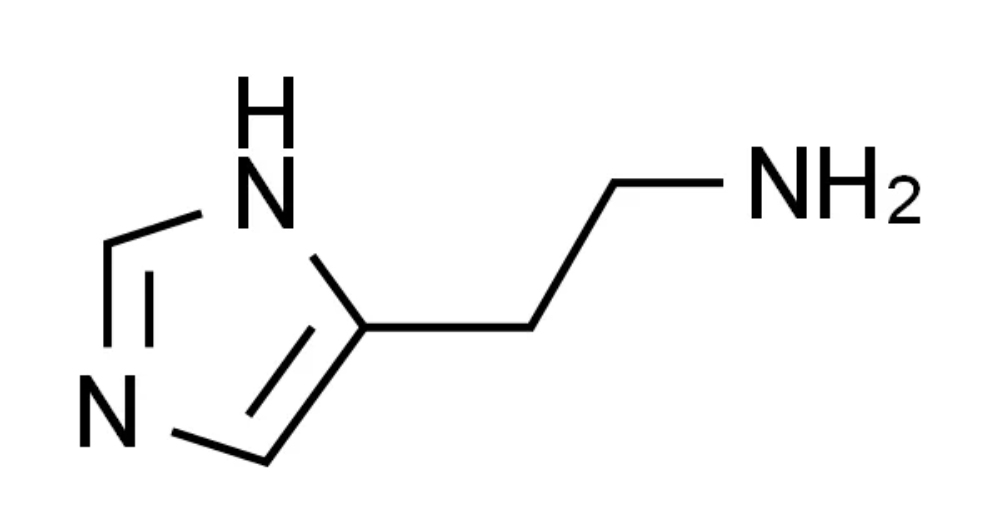
ฮิสตามีนมีชื่อทางเคมีว่า 4-(2-อะมิโนเอทิล)อิมิดาโซล มันถูกสังเคราะห์ทางชีวภาพจากแอล-ฮิสติดีนผ่านกระบวนการดีคาร์บอกซิเลชันที่เร่งปฏิกิริยาโดยเอนไซม์แอล-ฮิสติดีนดีคาร์บอกซิเลส (HDC) ก่อนที่จะพิจารณาถึงตัวรับ เราควรทำความเข้าใจฮิสตามีนในฐานะโมเลกุลขนาดเล็กที่มีโครงสร้างเรียบง่าย ไม่ใช่ในฐานะเป้าหมายขนาดใหญ่ที่มีลักษณะคล้ายโปรตีนหรือแอนติบอดี
ในร่างกาย ฮิสตามีนส่วนใหญ่จะถูกเก็บไว้ในเซลล์มาสต์และเบโซฟิล เมื่อสัมผัสกับสารก่อภูมิแพ้ ความเสียหายของเนื้อเยื่อ การติดเชื้อ การกระตุ้นจากยา และความเครียดอื่นๆ เซลล์เหล่านี้จะเกิดการปลดปล่อยฮิสตามีนออกมาอย่างรวดเร็วและในปริมาณมาก นี่คือเหตุผลที่ฮิสตามีนมักพบเห็นได้ในการวิจัยเกี่ยวกับภูมิแพ้และการอักเสบ
แต่นั่นไม่ใช่แผนที่ทั้งหมด ในกระเพาะอาหาร ฮิสตามีนช่วยกระตุ้นการหลั่งกรดในกระเพาะอาหาร ในระบบประสาท มันทำหน้าที่เป็นสารสื่อประสาทและสารปรับแต่งระบบประสาท ควบคุมการตื่นตัว ความอยากอาหาร อารมณ์ การรับรู้ และการรับรู้ความเจ็บปวด ในเซลล์ภูมิคุ้มกัน มันสามารถส่งผลต่อการเคลื่อนที่ของเซลล์และการตอบสนองต่อการอักเสบได้
ดังนั้นเมื่อเลือกเครื่องมือวิจัย จึงไม่ควรพิจารณาฮิสตามีนเป็นเพียงตัวบ่งชี้การแพ้แบบแคบๆ แต่ควรพิจารณาว่ามันเหมือนสัญญาณไฟจราจรขนาดเล็กในเนื้อเยื่อต่างๆ สำหรับห้องปฏิบัติการที่ตรวจสอบแบบจำลองที่เกี่ยวข้อง Solarbio’s โซลูชันการวิจัย อาจมีประโยชน์เมื่อต้องการจับคู่การใช้งานกับสารเคมีหรือชุดทดสอบ
วิธีการทำงานของส่วนรับสัญญาณ
ฮิสตามีนต้องการตัวรับเพื่อทำหน้าที่ของมัน หากไม่มีการจับกับตัวรับ มันก็จะเป็นเพียงโมเลกุลขนาดเล็กที่เคลื่อนที่ไปมาในของเหลวในเนื้อเยื่อหรือเลือด ตัวรับจะช่วยให้สัญญาณมีที่สำหรับจับกับตัวรับนั้น
ตัวรับฮิสตามีนอยู่ในกลุ่มตัวรับที่เชื่อมต่อกับโปรตีนจี (GPCRs) กระบวนการส่งสัญญาณดำเนินไปดังนี้: สิ่งเร้ากระตุ้นให้เซลล์ปล่อยฮิสตามีนออกมา ฮิสตามีนอิสระจะจับกับตัวรับฮิสตามีนบนเยื่อหุ้มเซลล์เป้าหมายอย่างจำเพาะเจาะจง ซึ่งจะไปดึงดูดและกระตุ้นโปรตีนจีในขั้นตอนถัดไป
ที่น่าสังเกตคือ ตัวรับ H1 และ H2 ส่วนใหญ่จะเชื่อมต่อกับโปรตีน Gq และ Gs ในขณะที่ตัวรับ H3 และ H4 จะเชื่อมต่อกับโปรตีน Gi เป็นหลัก ซึ่งนำไปสู่ลำดับการส่งสัญญาณภายในเซลล์และผลกระทบทางชีวภาพที่แตกต่างกัน
เนื้อเยื่อแต่ละชนิดให้ผลลัพธ์ที่แตกต่างกัน ในผิวหนังจะทำให้เกิดอาการคันและผื่นแดง ในหลอดเลือดจะเพิ่มการซึมผ่านของหลอดเลือด ในกล้ามเนื้อเรียบของทางเดินหายใจจะกระตุ้นการหดตัวของกล้ามเนื้อเรียบ ในเซลล์ผนังกระเพาะอาหารอาจทำให้การหลั่งกรดเพิ่มขึ้น ในเนื้อเยื่อประสาท สัญญาณอาจเปลี่ยนแปลงการตื่นตัวหรือการปล่อยสารสื่อประสาท
นี่คือจุดที่สารประกอบโมเลกุลขนาดเล็กมีประโยชน์ในการทำงานเกี่ยวกับตัวรับสัญญาณในชีวิตประจำวัน เมื่อห้องปฏิบัติการยืนยันแล้วว่าสัญญาณต้องผ่านตัวรับฮิสตามีน ขั้นตอนต่อไปมักจะค่อนข้างตรงไปตรงมา คือ การปิดกั้นตำแหน่ง การกระตุ้น หรือการปรับการตอบสนอง สารต้านตัวรับจะเข้าครอบครองช่องการจับลิแกนด์ของตัวรับฮิสตามีนอย่างแข่งขันกัน ปิดกั้นไม่ให้ฮิสตามีนภายในร่างกายจับกับตัวรับ และยับยั้งการส่งสัญญาณในขั้นตอนถัดไป สารกระตุ้นตัวรับจะจับกับตัวรับและทำให้โครงสร้างที่ทำงานอยู่มีเสถียรภาพเพื่อเริ่มต้นการส่งสัญญาณภายในเซลล์ ตัวปรับแต่งแบบอัลโลสเตอริกถูกนำมาใช้เพื่อปรับแต่งกิจกรรมของตัวรับอย่างละเอียด แทนที่จะกระตุ้นหรือยับยั้งตัวรับอย่างเต็มที่ ซึ่งใช้กันอย่างแพร่หลายในการตรวจสอบการตอบสนองของสัญญาณแบบไล่ระดับ สำหรับสารประกอบ ชุดทดสอบ และสารเคมีชีวภาพที่ใช้ในการตั้งค่าแบบนี้ Solarbio แคตตาล็อกสินค้า เป็นจุดเริ่มต้นที่ใช้งานได้จริง
H1, H2, H3 และ H4: ครอบครัวเดียวกัน แต่ทำงานต่างกัน
โดยทั่วไปแล้ว งานวิจัยเกี่ยวกับตัวรับฮิสตามีนจะแบ่งออกเป็น 4 ประเภท ได้แก่ H1, H2, H3 และ H4 ซึ่งทั้งหมดเป็นตัวรับ GPCR เหมือนกัน แต่การจัดกลุ่มพวกมันไว้ในกลุ่มเดียวกันนั้นอาจเป็นความผิดพลาด เพราะแต่ละประเภทย่อยมักปรากฏในเนื้อเยื่อที่แตกต่างกัน และให้ผลลัพธ์ที่แตกต่างกันแก่ผู้ทำการวิจัย
ตัวรับ H1 เป็นชนิดย่อยที่คนส่วนใหญ่พบเจอผ่านอาการแพ้ที่มองเห็นได้ ผิวหนัง เยื่อบุ หลอดเลือด กล้ามเนื้อเรียบของทางเดินหายใจ และระบบประสาทส่วนกลาง ล้วนมีการทำงานที่เกี่ยวข้องกับ H1 เมื่อสัญญาณนี้ทำงานมากเกินไป ผลที่ตามมาอาจเป็นอาการคัน บวม แดง จาม หรือหลอดลมตีบ H1 ยังมีความเชื่อมโยงกับการตื่นตัวด้วย ยาต้าน H1 รุ่นแรกส่วนใหญ่สามารถผ่านเข้าสู่สมองได้ง่ายและทำให้เกิดอาการง่วงซึม ซึ่งเป็นผลข้างเคียงที่ใช้ในแบบจำลองการวิจัยบางอย่าง แต่ไม่เป็นที่พึงประสงค์สำหรับการรักษาอาการแพ้ทางคลินิกในชีวิตประจำวัน
ตัวรับ H2 เป็นที่คุ้นเคยกันดีในการวิจัยเกี่ยวกับกระเพาะอาหาร โดยส่วนใหญ่จะพบในเซลล์พาไรเอทัลของกระเพาะอาหาร การกระตุ้นตัวรับ H2 โดยฮิสตามีนจะกระตุ้นการหลั่งกรดในกระเพาะอาหารอย่างรุนแรง ดังนั้น สารต้านตัวรับ H2 จึงถูกนำมาใช้กันอย่างแพร่หลายในการวิจัยเกี่ยวกับความผิดปกติของระบบทางเดินอาหารที่เกี่ยวข้องกับกรด เช่น แผลในกระเพาะอาหาร แผลในลำไส้เล็กส่วนต้น อาการกรดไหลย้อน และแบบจำลองการหลั่งกรด
ตัวรับ H3 มีบทบาทสำคัญในการอภิปรายเกี่ยวกับระบบประสาท โดยส่วนใหญ่จะกระจายอยู่ในระบบประสาทส่วนกลางและปลายประสาทก่อนซิแนปส์ ทำหน้าที่เป็นทั้งออโตรีเซปเตอร์และเฮเทอโรรีเซปเตอร์เพื่อควบคุมการปล่อยฮิสตามีน โดปามีน อะเซทิลโคลีน และนอร์เอพิเนฟรินในเชิงลบ ดังนั้น การวิจัยเกี่ยวกับตัวรับ H3 จึงมีประโยชน์ต่อการควบคุมการนอนหลับและการตื่น การรับรู้ ความอยากอาหาร อารมณ์ และแบบจำลองความเจ็บปวด
ตัวรับ H4 มีการแสดงออกสูงในเซลล์ภูมิคุ้มกัน เช่น เซลล์มาสต์ เซลล์อีโอซิโนฟิล เซลล์เดนดริติก เซลล์ที ไขกระดูก ผิวหนัง และเยื่อบุลำไส้ มันสามารถควบคุมการเคลื่อนที่ของเซลล์ภูมิคุ้มกันและการกระตุ้นการอักเสบได้ ดังนั้น ตัวรับชนิดนี้จึงเป็นเป้าหมายสำคัญในการวิจัยเกี่ยวกับอาการคันเรื้อรัง โรคผิวหนังอักเสบจากภูมิแพ้ โรคหอบหืด การอักเสบจากภูมิแพ้ และโรคอักเสบในลำไส้
สำหรับงานวิจัยเชิงเส้นทาง Solarbio นำเสนอผลิตภัณฑ์ของตน แหล่งข้อมูลเส้นทาง สามารถช่วยให้นักวิจัยพิจารณาพื้นที่เป้าหมายที่เกี่ยวข้องแทนที่จะค้นหาทีละผลิตภัณฑ์
เหตุใดนักวิจัยโมเลกุลขนาดเล็กจึงยังคงใช้กลุ่มเป้าหมายนี้อยู่
เป้าหมายบางอย่างดูน่าสนใจในเอกสารทางวิชาการ แต่ยากที่จะสร้างเป็นชุดทดสอบได้ ตัวรับฮิสตามีนนั้นทำได้ง่ายกว่า กลุ่มตัวรับนี้เป็นเป้าหมายยาที่ได้รับการยอมรับอย่างดี มีลิแกนด์ภายในร่างกายที่ได้รับการศึกษาอย่างละเอียด มีสารต้านฤทธิ์ทางเภสัชวิทยาแบบคลาสสิก และมีชนิดย่อยที่กำหนดไว้อย่างชัดเจน ซึ่งช่วยอำนวยความสะดวกในการออกแบบสารประกอบและการคัดกรองแบบความเร็วสูง
ห้องปฏิบัติการสามารถวัดการตอบสนองของแคลเซียม การเปลี่ยนแปลงของ cAMP การหลั่ง การเคลื่อนที่ของเซลล์ภูมิคุ้มกัน การตอบสนองของเนื้อเยื่อ หรือความมีชีวิตของเซลล์ได้ การเลือกใช้ขึ้นอยู่กับแบบจำลอง ซึ่งทำให้การใช้กลุ่มตัวรับฮิสตามีนง่ายขึ้นสำหรับการคัดกรองและการศึกษาเส้นทางต่างๆ
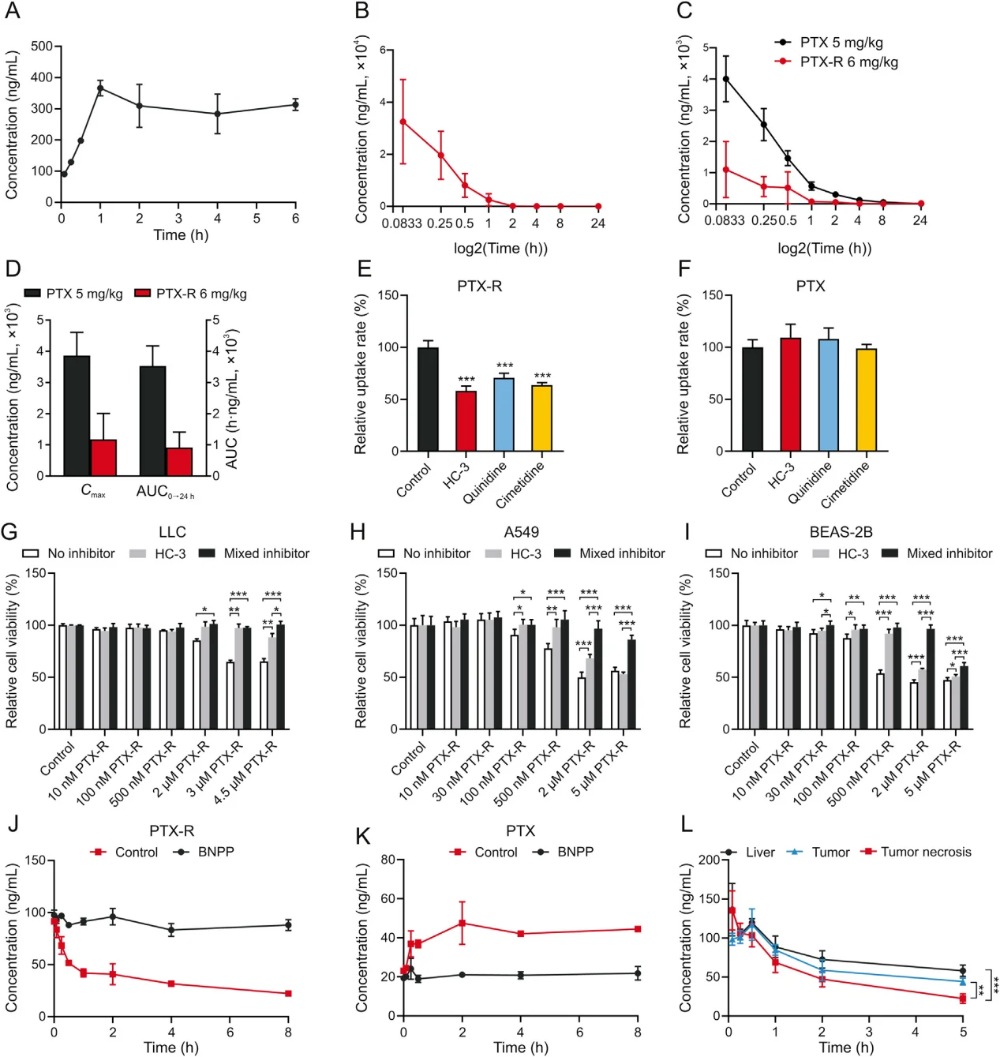
สำหรับการศึกษาที่เกี่ยวข้องกับตัวรับ H2 นั้น ในงานวิจัยที่อ้างอิงได้ใช้ IC0400 (Cimetidine) ซึ่งเป็นสารต้านตัวรับ H2 แบบคลาสสิก กับเซลล์ LLC ที่ความเข้มข้น 60 μmol/L เป็นเวลา 20 นาที ตัวเลขลักษณะนี้มีประโยชน์สำหรับผู้อ่าน เพราะแสดงให้เห็นว่าสารประกอบที่เกี่ยวข้องกับตัวรับนั้นไม่ได้มีอยู่แค่ในทางทฤษฎีเท่านั้น แต่ยังสามารถปรากฏในผลการทดลองในเซลล์และสัตว์จริงได้อีกด้วย
สำหรับแบบจำลองการกระตุ้นตัวรับสัญญาณ ไอเอช0050 ฮิสตามีนสามารถใช้เป็นสารยึดเกาะตามธรรมชาติได้ ในกรณีศึกษาเดิมที่กล่าวถึงนั้น สารละลายฮิสตามีน 0.1% (w/v) ถูกใช้เป็นตัวควบคุมเชิงบวกในแบบจำลองโรคหอบหืดโดยใช้หนูตะเภาพันธุ์ดันกิน ฮาร์ทลีย์ สำหรับแบบจำลองที่เกี่ยวข้องกับโรคหอบหืดประเภทนี้ เวลาแฝงเป็นหนึ่งในตัวชี้วัดโดยตรงที่ใช้ในการเปรียบเทียบการตอบสนองต่อการรักษา
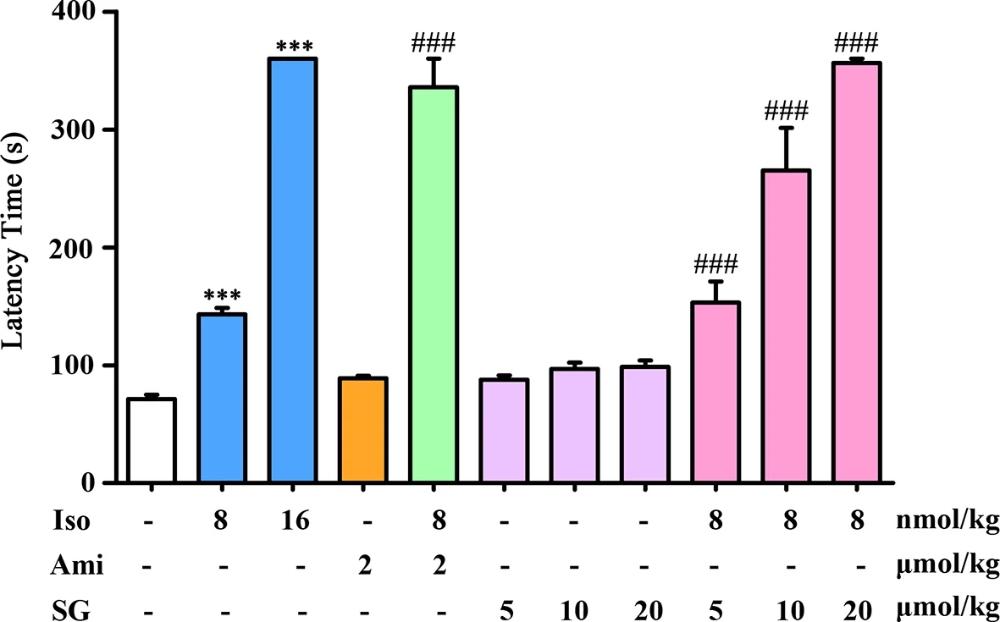
นี่คือการจัดเตรียมงานวิจัยที่เรียบง่ายมาก ฮิสตามีนกระตุ้นสัญญาณ สารต้านฮิสตามีนจะปิดกั้นส่วนหนึ่งของสัญญาณนั้น จากนั้นห้องปฏิบัติการจะตรวจสอบว่ามีอะไรเปลี่ยนแปลงบ้าง ความเรียบง่ายไม่ได้หมายความว่ามีคุณค่าน้อย สำหรับแบบจำลองการคัดกรองหลายๆ แบบ ความเรียบง่ายนี่แหละที่ทำให้ข้อมูลอ่านง่ายขึ้น
ไม่ใช่แค่ภูมิแพ้ และไม่ใช่แค่กรดในกระเพาะอาหาร
อาการแพ้เป็นจุดเริ่มต้นที่พบบ่อยที่สุดในการวิจัยเกี่ยวกับฮิสตามีน แต่ห้องปฏิบัติการหลายแห่งมองหาแนวทางที่กว้างกว่านั้น
ในสาขาประสาทวิทยาศาสตร์ ตัวปรับแต่งตัวรับ H3 อาจส่งผลต่อการปล่อยสารสื่อประสาท ดังนั้นการศึกษาเกี่ยวกับ H3 จึงสามารถปรากฏในงานวิจัยเกี่ยวกับการนอนหลับ ความสนใจ การรับรู้ ความอยากอาหาร และความเจ็บปวด
ในการศึกษาเกี่ยวกับกระเพาะอาหาร การส่งสัญญาณผ่านตัวรับ H2 ยังคงเป็นหนึ่งในตัวอย่างที่ชัดเจนที่สุดของการออกฤทธิ์ของยาโดยอาศัยตัวรับ โดยทั่วไปแล้ว การทำงานของ H2 ที่ลดลงหมายถึงการหลั่งกรดที่ลดลง ตรรกะโดยตรงนี้มีประโยชน์เมื่อสร้างแบบจำลอง
ในการศึกษาเกี่ยวกับผิวหนังและระบบภูมิคุ้มกัน ตัวรับ H4 กำลังได้รับความสนใจมากขึ้น อาการคันเรื้อรัง โรคผิวหนังอักเสบภูมิแพ้ ลมพิษเรื้อรัง โรคหอบหืด และโรคลำไส้อักเสบ ล้วนเกี่ยวข้องกับการเคลื่อนที่ของเซลล์ภูมิคุ้มกันและสัญญาณการอักเสบ ตัวรับ H4 ไม่ใช่คำอธิบายทั้งหมด แต่เป็นเส้นทางหนึ่งในระดับตัวรับที่ช่วยให้นักวิจัยเข้าถึงปัญหาได้
งานวิจัยที่เกี่ยวข้องกับเนื้องอกนั้นมีความระมัดระวังมากกว่า หลักฐานที่เกิดขึ้นใหม่บ่งชี้ว่ามีการแสดงออกที่ผิดปกติของตัวรับ H2 และ H4 ในแบบจำลองเนื้องอกบางชนิด แต่การนำไปใช้ในการวิจัยด้านมะเร็งวิทยายังอยู่ในขั้นตอนการสำรวจและไม่สามารถสรุปได้โดยทั่วไป นั่นหมายความว่าเส้นทางดังกล่าวอาจคุ้มค่าที่จะตรวจสอบเมื่อแบบจำลองเกี่ยวข้องกับการเจริญเติบโตของเนื้องอก การควบคุมภูมิคุ้มกัน หรือการเปลี่ยนแปลงของสภาพแวดล้อมจุลภาคของเนื้องอก
หากการทดลองต้องการวัดระดับฮิสตามีนแทนที่จะวัดเพียงแค่การตอบสนองของตัวรับ ชุดตรวจวัดปริมาณฮิสตามีนจะถูกนำมาใช้กันอย่างแพร่หลายเพื่อตรวจวัดระดับฮิสตามีน
การเลือกผลิตภัณฑ์สามารถเปลี่ยนแปลงผลลัพธ์ได้
การทดลองเกี่ยวกับตัวรับฮิสตามีนนั้นแทบจะไม่ขึ้นอยู่กับสารเคมีเพียงชนิดเดียว สำหรับการกระตุ้น ห้องปฏิบัติการจำเป็นต้องใช้ฮิสตามีน สำหรับการยับยั้ง อาจใช้สารต้าน เช่น ไซเมทิดีน ในงานที่เกี่ยวข้องกับ H2 สำหรับข้อมูลที่ได้ในขั้นตอนต่อไป การจัดเตรียมอาจต้องการสารเคมีตรวจจับแคลเซียม เครื่องมือตรวจวัด cAMP ชุดตรวจ ELISA แอนติบอดี สารเคมีสำหรับตรวจวัดความมีชีวิตของเซลล์ หรือชุดตรวจวิเคราะห์ทางชีวเคมี
ควรตัดสินใจเลือกประเภทของตัวอย่างตั้งแต่เนิ่นๆ เซลล์ไลน์ เนื้อเยื่อสัตว์ เซรั่ม พลาสมา ตัวอย่างผิวหนัง และตัวอย่างจากระบบทางเดินอาหาร มีวิธีการจัดการที่แตกต่างกัน วิธีการที่คัดลอกมาจากแบบจำลองหนึ่งอาจใช้ไม่ได้ผลในอีกแบบจำลองหนึ่ง
การจัดการโมเลกุลขนาดเล็กก็มีความสำคัญเช่นกัน ควรตรวจสอบความสามารถในการละลาย ควรระบุความเข้มข้นของสารละลายตั้งต้นให้ชัดเจน อุณหภูมิในการจัดเก็บควรเป็นไปตามคำแนะนำของผลิตภัณฑ์ ควรหลีกเลี่ยงการแช่แข็งและละลายซ้ำหลายครั้ง เนื่องจากจะส่งผลเสียต่อความเสถียรของสารประกอบและความสามารถในการทำซ้ำของการทดลอง นอกจากนี้ การใช้ตัวทำละลายมากเกินไปในการทดสอบเซลล์ก็อาจทำให้ข้อมูลผิดเพี้ยนได้เช่นกัน
ข้อผิดพลาดเหล่านี้ไม่ใช่เรื่องแปลก หลอดทดลองอาจถูกทิ้งไว้ที่อุณหภูมิห้องนานเกินไป สารประกอบอาจละลายไม่หมด สารละลายสต็อกถูกเตรียมไว้หลายเดือนแล้วและไม่มีใครตรวจสอบ หรือโปรโตคอลถูกคัดลอกมาจากงานวิจัย แต่ชนิดของตัวอย่างเปลี่ยนไป ผลลัพธ์จึงดูสับสน หากการเลือกผลิตภัณฑ์ไม่ชัดเจน นักวิจัยสามารถติดต่อ Solarbio ได้ ทีมบริการด้านเทคนิค ก่อนสั่งซื้อ
ข้อสรุป
ฮิสตามีนมีบทบาทมากกว่าแค่เป็นโมเลกุลที่เกี่ยวข้องกับอาการแพ้ มันเชื่อมโยงกับการตอบสนองของระบบภูมิคุ้มกัน การหลั่งกรดในกระเพาะอาหาร การควบคุมระบบประสาท การอักเสบ อาการคัน และอีกหลายด้านของการวิจัย
H1, H2, H3 และ H4 มอบเส้นทางที่มีประโยชน์สี่เส้นทางให้แก่นักวิจัย H1 เกี่ยวข้องกับอาการแพ้และการตื่นตัว H2 เกี่ยวข้องกับการหลั่งกรดในกระเพาะอาหาร H3 เกี่ยวข้องกับการปล่อยสารสื่อประสาท H4 มีความสำคัญในการศึกษาเกี่ยวกับการอักเสบของระบบภูมิคุ้มกันและอาการคันเรื้อรัง
สำหรับการวิจัยยาโมเลกุลขนาดเล็ก กลุ่มเป้าหมายนี้ยังคงใช้งานได้จริง เนื่องจากมีลิแกนด์ที่รู้จัก แอนตาโกนิสต์ที่รู้จัก ชนิดย่อยของตัวรับที่ชัดเจน และวิธีการวิเคราะห์ที่อ่านง่าย กุญแจสำคัญไม่ได้อยู่ที่การเลือกเป้าหมายเท่านั้น แต่ยังอยู่ที่การเลือกลิแกนด์ แอนตาโกนิสต์ ชุดตรวจวัด วิธีการจัดการตัวอย่าง และผู้จำหน่ายสารเคมีที่เหมาะสมด้วย หากมีข้อสงสัยเกี่ยวกับผลิตภัณฑ์ ความต้องการสั่งซื้อจำนวนมาก หรือการสนับสนุนทางเทคนิค นักวิจัยสามารถติดต่อสอบถามได้ ติดต่อ Solarbio.
คำถามที่พบบ่อย
คำถามที่ 1: ฮิสตามีนเกี่ยวข้องกับอาการแพ้เพียงอย่างเดียวหรือไม่?
A1: ไม่เชิงครับ อาการแพ้เป็นเพียงส่วนที่คนส่วนใหญ่สังเกตเห็นก่อน ในงานวิจัยพบว่าฮิสตามีนยังมีบทบาทในกระบวนการหลั่งกรดในกระเพาะอาหาร การตอบสนองของเซลล์ภูมิคุ้มกัน การทำงานของสารสื่อประสาท อาการคัน การอักเสบ และการควบคุมการนอนหลับและการตื่นด้วยครับ
คำถามที่ 2: ตัวรับฮิสตามีนหลักสี่ชนิดมีอะไรบ้าง?
A2: สารทั้งสี่ชนิดนี้มีชื่อเรียกคือ H1, H2, H3 และ H4 พวกมันอยู่ในกลุ่ม GPCR เดียวกัน แต่โดยทั่วไปแล้วห้องปฏิบัติการจะศึกษาพวกมันแยกกัน เนื่องจากมีการกระจายตัวในเนื้อเยื่อและผลกระทบหลักของพวกมันไม่เหมือนกัน
คำถามที่ 3: ตัวรับสัญญาณใดมีความเกี่ยวข้องกับอาการคันและจามมากที่สุด?
A3: ตัวรับ H1 มักเป็นตัวรับหลักในส่วนนี้ มักเกี่ยวข้องกับอาการคัน ผื่นแดง บวม จาม และหลอดลมตีบในแบบจำลองที่เกี่ยวข้องกับโรคภูมิแพ้
คำถามที่ 4: เหตุใดการศึกษาเกี่ยวกับกระเพาะอาหารจึงมักกล่าวถึงตัวรับ H2?
A4: ตัวรับ H2 มีความเชื่อมโยงอย่างใกล้ชิดกับเซลล์พาไรเอทัลในกระเพาะอาหารและการหลั่งกรด เมื่อนักวิจัยศึกษาแบบจำลองการหลั่งกรด แบบจำลองแผลในกระเพาะอาหาร หรือกลไกที่เกี่ยวข้องกับการไหลย้อนของกรด ตัวรับ H2 เป็นสิ่งที่มองข้ามไม่ได้
Q5: เหตุใดจึงใช้ตัวรับ H3 ในการศึกษาเกี่ยวกับระบบประสาท?
A5: ตัวรับ H3 ช่วยควบคุมการปล่อยสารสื่อประสาท นั่นเป็นเหตุผลที่มักพบเห็นในงานวิจัยเกี่ยวกับการนอนหลับ การรับรู้ ความอยากอาหาร อารมณ์ สมาธิ และความเจ็บปวด
Q6: อะไรทำให้ตัวรับ H4 น่าสนใจ?
A6: ตัวรับ H4 ปรากฏให้เห็นมากในการวิจัยเกี่ยวกับเซลล์ภูมิคุ้มกัน มันเกี่ยวข้องกับการเคลื่อนย้ายของเซลล์ภูมิคุ้มกัน การอักเสบ อาการคันเรื้อรัง โรคผิวหนังอักเสบ ปฏิกิริยาที่เกี่ยวข้องกับโรคหอบหืด และแบบจำลองการอักเสบในลำไส้บางแบบ
Q7: ผลิตภัณฑ์ใดบ้างที่มีประโยชน์สำหรับการวิจัยเกี่ยวกับตัวรับฮิสตามีน?
A7: ขึ้นอยู่กับการทดลอง แต่ตัวเลือกที่นิยมใช้กันทั่วไป ได้แก่ IH0050 ฮิสตามีน, IC0400 ไซเมทิดีน, ชุดตรวจจับ, ชุด ELISA, แอนติบอดี, สารรีเอเจนต์สำหรับตรวจสอบความมีชีวิตของเซลล์, สารประกอบในวิถีการทำงาน และชุดทดสอบทางชีวเคมี
 ปรึกษา
 Whatsapp
 ทิ้งข้อความ
 ด้านบน