




Related news
Cell Lines: The First Step Behind Reliable In Vitro Research
Table of Contents
Cell lines are often treated as a routine lab material. You place an order, thaw the vial, seed the plate, and start the experiment. It sounds simple.In practice the choice of a particular cell line can have a large impact on the progress of a project – whether the project runs smoothly and produces meaningful data or not.
That is why cell line selection should come before protocol optimization. For disease mechanism studies, drug screening, gene editing, immune response work, toxicity testing, and other in vitro research solutions, the right cell line gives the experiment a safer starting point.
What Is a Cell Line?
A practical model for repeated lab work
A cell line is a group of cells that can be kept growing in the laboratory after they have been subcultured from a primary cell source. The cells in a cell line are easier to culture, to repeat experiments on, and more stable than primary cells for routine experiments.
This does not mean every cell line is close to the real tissue condition. Some cell lines have been cultured for many years. Some carry tumor-related mutations. Some grow faster than normal cells. Some lose part of their original tissue features during long-term passage. These limits do not make them useless. They simply mean the cell line must be chosen with the research purpose in mind.
In daily lab work, cell lines are used for cancer research, infection models, gene function studies, drug response testing, immune studies, and basic cell biology. Many projects also need matched cell biology products such as culture reagents, assay kits, staining reagents, and related detection tools.
No universal best cell line
A common mistake is asking which cell line is best. The better question is which cell line can answer this exact research question.
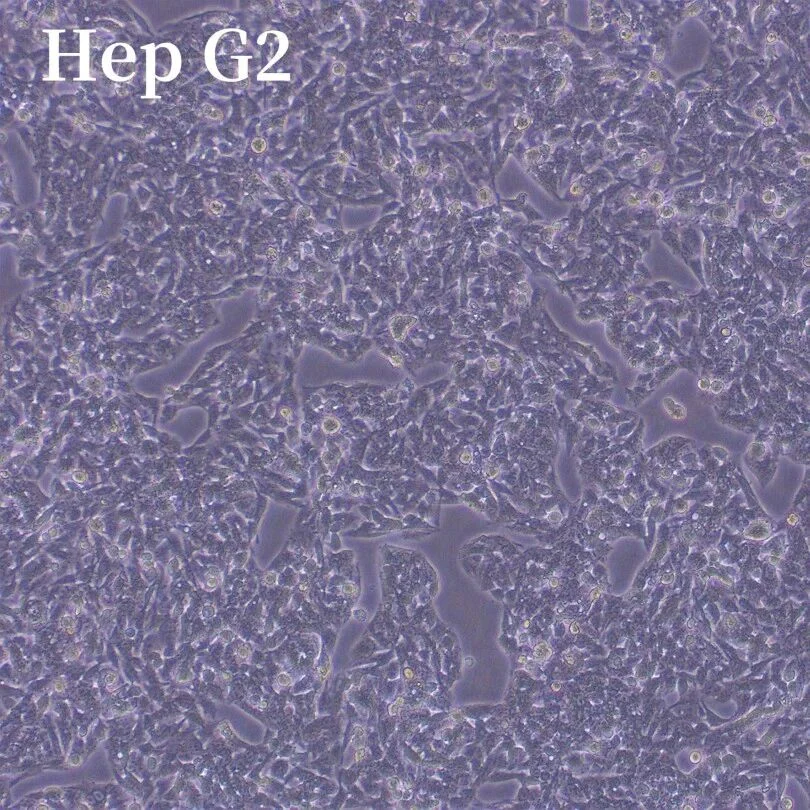
A liver cancer project may use Hep G2. A lung cancer project may use A549. A breast cancer migration study may prefer MDA-MB-231. A macrophage function study may choose THP-1 after induction. A fibroblast-related basic study may use NIH/3T3.
These choices are not interchangeable. A cell line that works well for one topic may give poor support for another.
Choose the Cell Line from the Research Goal
Disease mechanism studies need a matching disease background
For disease mechanism work, the selected cell line should represent the disease process as closely as possible.
In tumor research, tissue origin matters. Hep G2 is commonly used in liver cancer and metabolism-related work. A549 is used in lung cancer and respiratory epithelial studies. MDA-MB-231 is widely used in breast cancer research, especially when the work involves migration, invasion, or aggressive tumor behavior.
For genetic disease research, patient-derived iPSC models may be useful when the mutation background is central to the study. These models can be expanded and differentiated into related cell types, but they usually need more careful handling than common immortalized cell lines.
For infectious disease research, host susceptibility is a key point. Some pathogens only infect certain cells well. For virus-related work, researchers often choose natural host cells or engineered susceptible cells. If receptor expression is missing, infection efficiency may be low, and the model may not answer the question clearly.
Drug development needs both easy operation and biological relevance
Drug work is not one single type of experiment. Target validation, efficacy testing, and toxicity evaluation may need different cell models.
For target validation, easy-to-transfect cells are useful. HEK293 and related engineered cells are often used for overexpression, knockdown, knockout, and reporter systems. They help researchers test whether a gene or protein can affect a pathway.
For drug efficacy and toxicity, disease relevance becomes more important. Hep G2 may be used for early liver-related toxicity work. MDA-MB-231 can support breast cancer drug response studies. THP-1 can help when inflammation or monocyte/macrophage behavior is involved.
When a project is linked to signal transduction, cell selection should also match the target pathway. It is useful to check pathway research tools before deciding markers, inhibitors, detection kits, and readout methods.
Check the Cell Line Before Starting Formal Experiments
Species and tissue origin affect the meaning of the data
Human-derived cell lines often have stronger clinical relevance for human disease work. Mouse cell lines still have value, especially for immune studies, animal-model-linked research, fibroblast biology, and early mechanism testing.
Tissue source also matters. Epithelial cells, fibroblasts, immune cells, endothelial cells, and tumor cells behave differently. Their growth speed, morphology, metabolism, stress response, and gene expression can vary a lot.
If the tissue source is not related to the research topic, the result may still be measurable, but it may not be convincing.
Genetic background should not be ignored
Each cell line has its own biological background. Some cell lines carry known mutations. Some overexpress certain receptors. Some have abnormal pathway activation. Some respond strongly to drugs. Some are more resistant.
Before buying or using a cell line, check whether it has the target gene, receptor, enzyme, or pathway feature needed for the study. This sounds basic, but it prevents many failed experiments.
A small pilot test is also useful. Check cell morphology, growth curve, transfection efficiency, treatment tolerance, and baseline marker expression before running a large batch.
Authentication and Contamination Control
STR authentication protects cell identity
Cell line misidentification is a real issue. Cross-contamination, wrong labeling, and long-term passage can make a culture unreliable. STR authentication works as an identity check for human cell lines. It helps confirm whether the cell line is truly what the label says.
Without identity confirmation, later data may be difficult to defend. A wrong cell line can make an entire experiment invalid, even if the protocol looks perfect.
Mycoplasma testing protects experimental stability
Mycoplasma contamination is harder to notice than fungal or bacterial contamination. Cells may still look acceptable under the microscope, but their growth, metabolism, gene expression, cytokine release, and drug response may already be affected.
For formal experiments, mycoplasma-negative status should be confirmed. If a lab is setting up a new model or troubleshooting unstable results, using technical support services can save time and reduce avoidable mistakes.
Culture Behavior Changes the Workflow
Adherent cells and suspension cells are handled differently
Cell growth type affects many steps in the protocol. Hep G2 is an adherent cell line. THP-1 grows in suspension. Raji is also a suspension cell line. These differences affect seeding density, plate choice, washing steps, imaging, stimulation, and drug treatment.
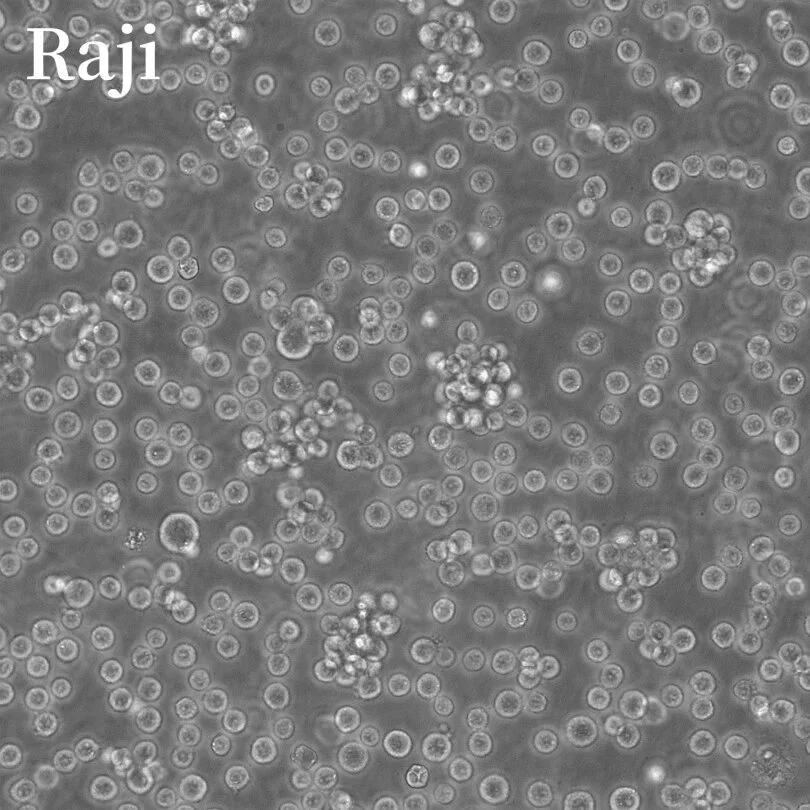
Suspension cells are not washed or fixed in the same way as adherent cells. Adherent cells need proper surface attachment before treatment. If the protocol is copied from a different growth type without adjustment, the data may become noisy.
Passage number needs control
Long-term culture can change cells. This is often called passage drift. After too many passages, cells may grow at a different speed, lose markers, respond differently to drugs, or show altered gene expression.
A practical habit is to freeze early seed stocks after receiving the cells. Formal experiments should be done within a controlled passage range. This is especially important for drug screening, pathway studies, and comparison experiments.
Recommended Cell Line Products
Solarbio provides authenticated and mycoplasma-negative cell lines for common in vitro research needs. The available range covers human and mouse sources, including cancer models, immune-related cells, and fibroblast models. Researchers can check the product center for more related cell culture and detection products.
|
Cat.No |
Cell Line |
Cell Type |
Specification |
Common Use |
|
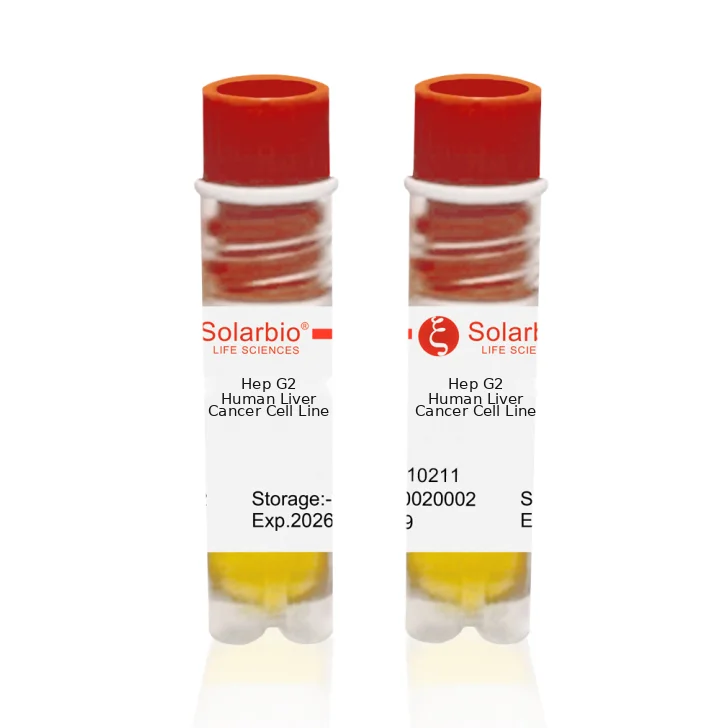
SCC-110211 |
Hep G2 |
Human liver cancer cell line |
1 Vial / 2 Vials / T25 |
Liver cancer, metabolism, toxicity testing |
|
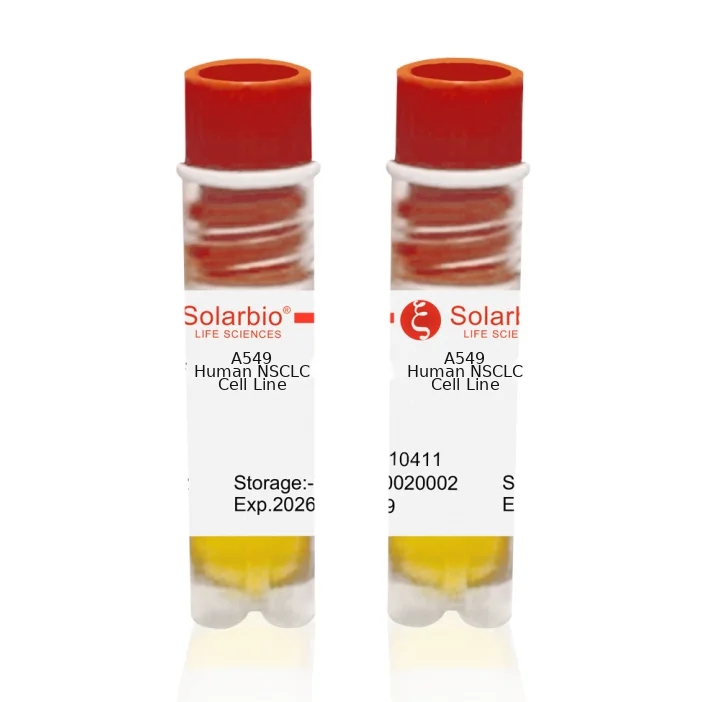
SCC-110411 |
A549 |
Human lung cancer cell line |
1 Vial / 2 Vials / T25 |
Lung cancer, respiratory epithelial research |
|
SCC-111013 |
MDA-MB-231 |
Human breast cancer cell line |
1 Vial / 2 Vials / T25 |
Breast cancer, migration, invasion, drug response |
|
SCC-121812 |
THP-1 |
Human acute monocytic leukemia cell line |
1 Vial / 2 Vials / T25 |
Monocyte biology, macrophage induction, inflammation research |
|
SCC-220911 |
NIH/3T3 |
Mouse embryonic fibroblast cell line |
1 Vial / 2 Vials / T25 |
Fibroblast biology, transfection, basic cell research |
Solarbio was founded in 2004 and provides research tools across cell biology, molecular biology, immunology, biochemical reagents, assay kits, staining reagents, small molecule compounds, analytical standards, instruments, and consumables. More company background is available on the About Solarbio page.
How to Avoid Common Cell Line Problems
Do not change culture conditions too casually
Medium, serum level, CO2 condition, passage ratio, thawing method, and seeding density all affect cell state. A small change may not cause immediate cell death, but it can shift the result.
When a cell line arrives, follow the recommended culture condition first. After the cell state becomes stable, any adjustment should be tested step by step.
Keep records from the first passage
Record the thawing date, passage number, medium batch, serum batch, cell density, culture condition, and any abnormal morphology. These notes are useful when results change between batches.
Researchers can also follow Solarbio updates for product notices, application information, and technical content related to life science research.
Conclusion
Cell lines are the starting point of many in vitro experiments. A suitable cell line should match the disease background, tissue source, species, genetic profile, growth type, authentication status, and final readout.
There is no perfect cell model for every question. A reliable model is the one that fits the research purpose and can produce repeatable data under controlled conditions.
For researchers working with Hep G2, A549, MDA-MB-231, THP-1, NIH/3T3, or other cell models, careful selection and good culture habits matter just as much as the later assay design. If support is needed for product selection or model setup, researchers can contact Solarbio for more details.
FAQ
Q1: What is a cell line?
A1: A cell line is a group of cells that can be maintained in culture after initial isolation from primary cells. These cultured cells can be used as repeatable in vitro models for disease research, drug testing, gene function, and other areas of cell biology.
Q2: How should I choose a cell line for my project?
A2: Start with the research question. Then check tissue origin, species, mutation background, marker expression, growth type, culture condition, STR authentication, and mycoplasma status.
Q3: Is Hep G2 only used for liver cancer research?
A3: No. Hep G2 is often used in liver cancer research, but it can also support metabolism-related work and early toxicity testing. For high-level liver function studies, researchers may need more complex models.
Q4: When is A549 a good choice?
A4: A549 is commonly used for lung cancer research, respiratory epithelial studies, and some infection-related models. It is useful when the project needs a human lung-derived cell background.
Q5: What is MDA-MB-231 used for?
A5: MDA-MB-231 is widely used in breast cancer research, especially for migration, invasion, metastasis-related behavior, and drug response testing.
Q6: Why do many labs use THP-1 cells?
A6: THP-1 is a human monocyte-like cell line. After induction, it can be used for macrophage-related studies, inflammation models, cytokine testing, and immune response research.
Q7: Why is STR authentication important?
A7: STR authentication confirms cell line identity. It helps avoid wrong-cell experiments caused by mislabeling, cross-contamination, or long-term culture problems.
Q8: Why is mycoplasma testing necessary?
A8: Mycoplasma can change cell growth, metabolism, gene expression, and drug response without obvious visible signs. Testing helps protect data quality.
Q9: How many passages are safe for experiments?
A9: There is no single number for every cell line, but low-passage cells are safer. Freeze seed stocks early and keep formal experiments within a controlled passage range.
Q10: Can one cell line support an entire study?
A10: Sometimes it can support early work, but stronger studies often use more than one model. A second cell line, primary cell, or other validation model can make the conclusion more reliable.
 Consult
 Whatsapp
 Leave Message
 top
top