

أخبار ذات صلة

TRIzol RNA Extraction: A Practical Guide for Clean, Usable Total RNA
جدول المحتويات
The TRIzol method for total RNA extraction from cells or tissue is still very commonly used in many laboratories due to its low cost and flexibility to handle a wide variety of samples. After RNA extraction, however, the RNA is present in low concentration and the A260/A230 value is unfavorable. The pellet will not dissolve. qPCR gives a high Ct value for no obvious reason.
Most of these problems do not come from one dramatic mistake. They usually come from a few small things happening in the same tube.
As someone who already runs qPCR, reverse transcription, transcriptomics or routine RNA analysis experiments, you likely view RNA extraction within the context of your entire workflow rather than as a standalone step. Solarbio’s range of RNA extraction products and related molecular biology reagents, buffers and kits are used by customers undertaking experiments related to these steps.
What TRIzol Is Actually Doing
TRIzol is a guanidinium thiocyanate and phenol based reagent. When added to cells, cells lyse and the proteins denature. In addition, all RNases are powerfully inhibited which explains why so much RNA survives extraction with TRIzol.
First contact is more important than most people realize. A piece of tissue intact in the bottom of a tube indicates that little or no reaction has yet occurred.
Lysis Comes Before Everything Else
Tissue should be ground or homogenized thoroughly. Liquid nitrogen grinding can be used to homogenize difficult samples. For cultured cells, after removing the medium from a dish, wash once with PBS and then add TRIzol directly to the cells.
For a typical small tissue or cell sample, about 1 mL of TRIzol reagent is used. However, the amount of sample to be added must not exceed the reagent capacity.
After mixing a lysate it is left for a short time at room temperature to settle. This takes about 5 minutes in normal usage.
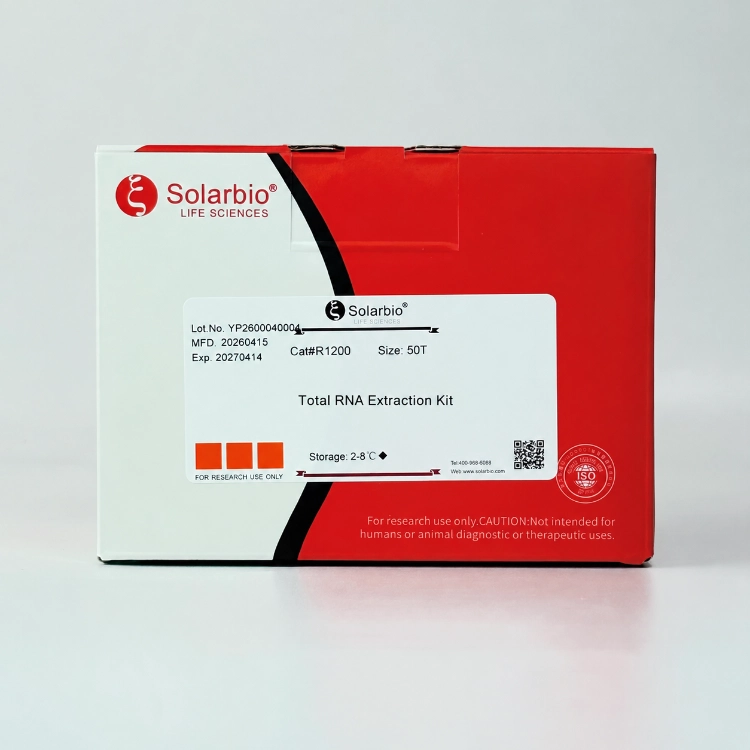
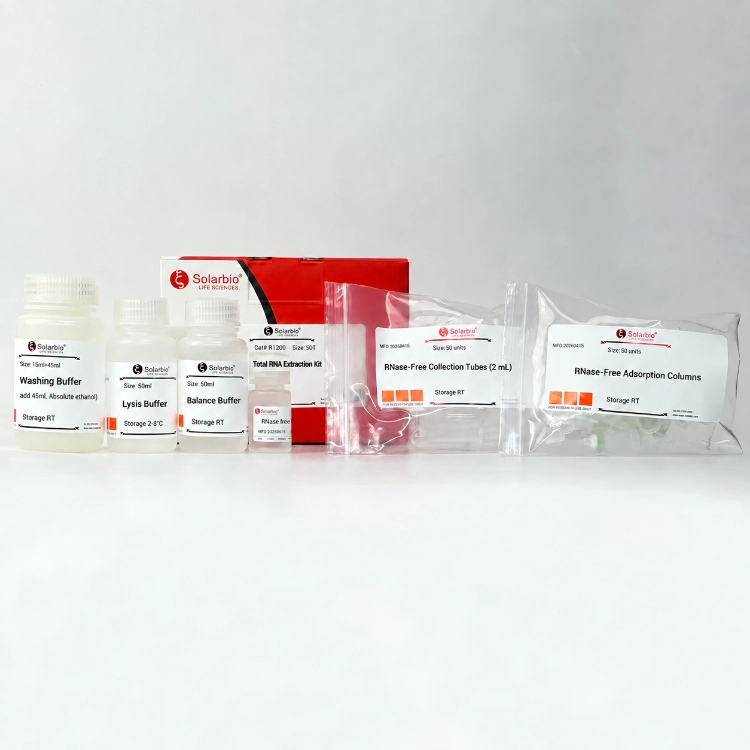
A lab that prefers a more standardized total RNA setup can also look at R1200 Total RNA Extraction Kit, especially when several operators need to run the same procedure in the same way.
Why Chloroform Separation Is So Easy to Get Wrong
Chloroform is added after lysis. With 1 mL TRIzol, 200 µL chloroform is a common working amount. The tube must be shaken vigorously for about 15 s, allowed to stand for a few minutes, and then centrifuged cold.
After centrifugation, the tube should show three areas. The upper clear aqueous phase contains the RNA. The pale interphase holds a large amount of genomic DNA and protein. The lower organic phase contains phenol, lipids, and other material that should stay behind.
The important part is not getting every last microliter from the top.
Take the clean part of the aqueous phase and stop before the pipette tip reaches the interphase. Losing a little clean liquid is usually less painful than carrying protein and phenol into the next tube.
A TRIzol Workflow That Is Easier to Repeat
Once the basic chemistry is clear, the workflow becomes much easier to control. The same steps can still give very different results if the handling changes from one person to another.
Move the Aqueous Phase Carefully
After phase separation, transfer the upper aqueous phase into a fresh RNase-free tube.
Do not tilt the tube too aggressively when the layers are narrow. It is also better not to scrape near the white layer just to improve yield. That extra liquid often brings the exact contamination that later shows up as poor purity readings.
For labs working across several molecular workflows, Solarbio’s molecular biology solutions can be useful when RNA extraction is only one part of a larger PCR, RT-qPCR, or nucleic acid preparation process.
Precipitate the RNA Without Losing the Pellet
Add pre-chilled isopropanol to the aqueous phase and mix gently. Low-abundance samples may need more time at low temperature before centrifugation.
After spinning, the RNA pellet may be tiny. Sometimes you can barely see it.
That does not mean nothing was recovered.
The simple mistake of pouring off the supernatant too quickly and thus losing part of the pellet can be avoided by keeping the tube in the same orientation as it was after the centrifugation step.
Wash, Dry, and Stop Before the Pellet Turns Hard
The RNA pellet is usually washed with 75% ethanol prepared using RNase-free water. One wash may be enough for a clean sample, while difficult samples sometimes benefit from another round.
After the wash, remove the ethanol and let the pellet air-dry briefly.
Hard white spots can form on the inside of tubes if the pellete has become over-dried. It can take a long time to dissolve and may give the wrong impression that the extraction has failed.
Add RNase-free water and let the pellet hydrate. Gentle pipetting is better than repeatedly forcing the pellet through the tip.
Why the RNA Looks Bad After Extraction
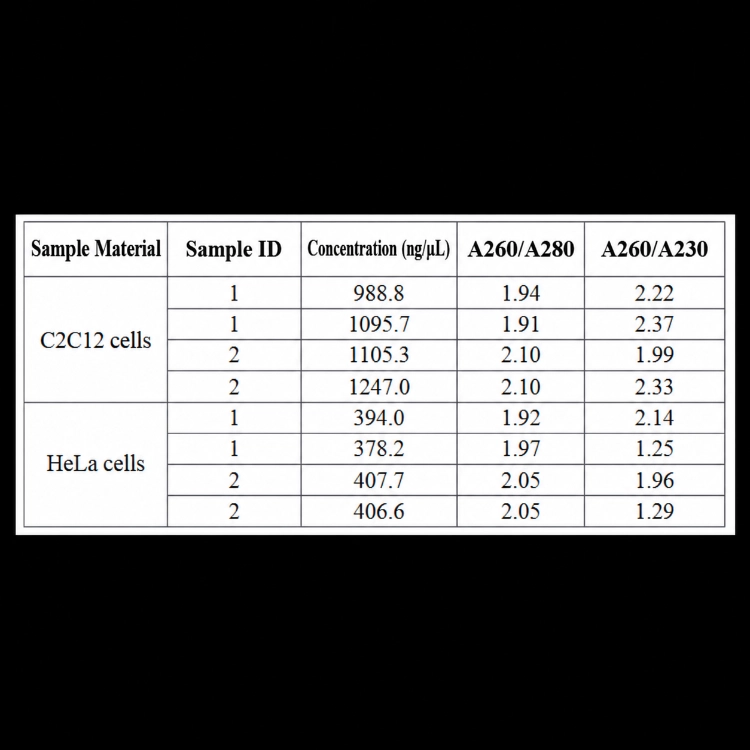
A clean-looking tube does not always mean clean RNA. Spectrophotometer ratios often tell you what happened earlier in the process.
Low Yield Does Not Always Mean the Sample Was Bad
When RNA concentration is very low, start with the obvious things.
Was the tissue fully lysed? Was part of the pellet lost when the supernatant was removed? Did the pellet dry for too long? Was the starting material already low in RNA?
Those are more common explanations than an unusual chemical problem.
For routine tissue samples where repeated organic extraction becomes inconvenient, R1240 Tissue RNA Extraction Kit is one of the column-based options in the Solarbio RNA extraction range.
A260/A280 Is Low
An A260/A280 below the expected range often points toward protein or phenol contamination.
The interphase is the first place to look. If the pipette tip touched it during transfer, some of that material may have moved into the RNA tube.
Poor phase separation can cause the same problem. Rushing the chloroform step rarely saves time once the sample has to be cleaned again.
Reagent quality also matters in nucleic acid work. The practical discussion in Biochemical Reagents Guide: Reliable Results covers DNA/RNA preparation, enzyme handling, buffers, and contamination control in more detail.
A260/A230 Is Low
Low A260/A230 often shows up when phenol, guanidinium salts, other salts, or sample-derived compounds are still present.
A weak ethanol wash is one possible reason. Pulling too much liquid from the aqueous phase is another.
Plant tissue, liver, and fatty tissue deserve a little more patience because polysaccharides, lipids, and secondary metabolites can stay with the sample. A second wash can help in some cases, though heavily contaminated material may be better handled with a kit designed for that sample type.
The same idea applies to DNA work. Essential Reagents in DNA Purification covers similar problems with salts, proteins, inhibitors, and downstream amplification.
Why qPCR Can Still Be Poor with Enough RNA
A tube can show a respectable RNA concentration and still behave badly in reverse transcription or qPCR.
Residual phenol and salts are one reason. Genomic DNA is another. RNA degradation is also easy to miss if concentration is the only number being checked.
If Ct values are higher than expected, do not look at concentration alone. Check A260/A230, A260/A280, RNA integrity, and whether the sample may still contain inhibitors.
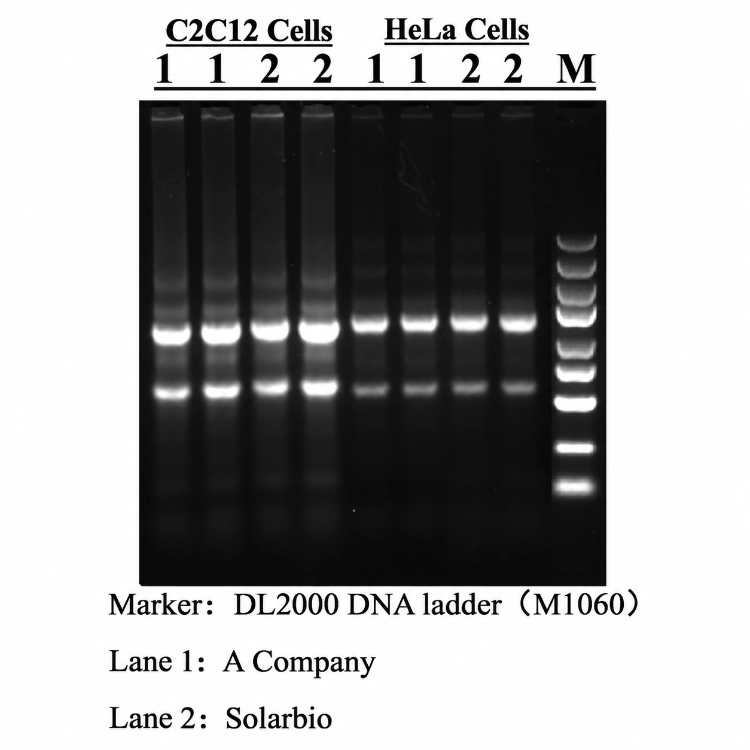
RNase contamination deserves attention too. Tips, tubes, water, benches, and gloves can all become part of the problem. Repeated freeze-thaw cycles make things worse, especially with samples that already started with limited RNA.
Choosing Between TRIzol and an RNA Extraction Kit
TRIzol has one big advantage: flexibility. A lab can use the same basic chemistry with many tissues and cell types, then adjust handling for the sample.
Kits are often easier when throughput goes up.
If ten people in the same lab are extracting RNA, a column or magnetic bead method can reduce variation between operators. It also avoids the chloroform phase-transfer step, which is where many purity problems start.
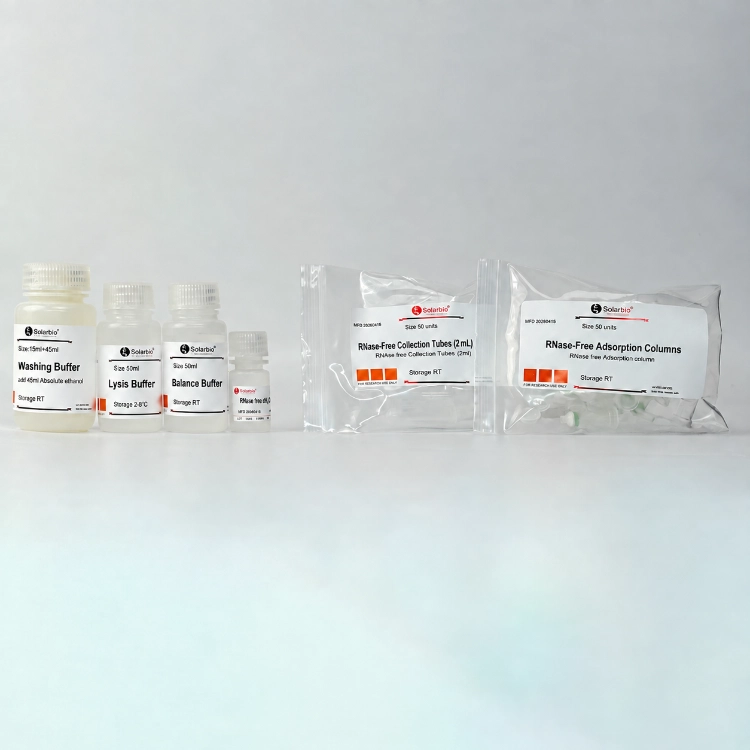
Solarbio’s RNA range includes R1200 Total RNA Extraction Kit, R1220 Blood RNA Extraction Kit, R1230 Plant RNA Extraction Kit, R1240 Tissue RNA Extraction Kit, R1250 Cell RNA Extraction Kit, R1210 Bacterial RNA Extraction Kit, R2021 Bacterial RNA Extraction Kit using magnetic beads, and R2220 Tissue and Cell miRNA Extraction Kit (Spin Column).
The method should follow the sample, not habit.
A plant sample rich in polysaccharides is not the same as cultured cells. Whole blood brings its own problems. Bacterial RNA extraction needs a different lysis approach again.
Labs that need help sorting out an extraction workflow alongside other molecular biology work can also use Solarbio’s الخدمات الفنية when the standard setup does not fit the sample.
استنتاج
Good TRIzol RNA extraction is mostly about clean handling.
Break the sample down properly. Keep RNase away. Let the phases separate clearly. Take the upper phase without chasing the last drop. Wash the pellet well, but do not dry it into a hard film.
If RNA yield is low, look at lysis and pellet recovery first. If purity is poor, go back to the phase-transfer and wash steps. If qPCR still performs badly, check contaminants and RNA integrity instead of assuming the problem is concentration.
For help choosing an RNA extraction product for cells, animal tissue, blood, plants, bacteria, or miRNA work, تواصل مع سولاربيو with the sample type and downstream application.
أسئلة متكررة
Q1: How much chloroform should I add during TRIzol RNA extraction?
A1: A common working ratio is 200 µL chloroform for every 1 mL TRIzol. After mixing, allow the tube to stand briefly before cold centrifugation so the phases separate clearly.
Q2: Why is my RNA concentration very low after TRIzol extraction?
A2: Incomplete lysis, a lost pellet, low starting material, degradation, or over-drying can all reduce the amount of RNA recovered in solution. Check the handling steps before assuming the sample itself was poor.
Q3: Why is my A260/A280 lower than expected?
A3: Protein or phenol contamination is a common cause. Pay close attention to the interphase during aqueous-phase transfer and make sure the chloroform separation is complete.
Q4: What usually causes a low A260/A230 ratio?
A4: Phenol, guanidinium salts, other salts, polysaccharides, or similar contaminants may remain in the RNA. Cleaner phase transfer and adequate 75% ethanol washing are the first things to check.
Q5: Why will my RNA pellet not dissolve?
A5: It may have dried for too long. Once the ethanol is gone, the pellet only needs a short air-dry. If it has already become hard, add RNase-free water and give it time to rehydrate before pipetting.
Q6: Can TRIzol RNA be used for qPCR and RNA sequencing?
A6: Yes, as long as the RNA is clean and intact enough for the downstream method. Concentration alone is not enough. Purity ratios, integrity, genomic DNA carryover, and residual inhibitors should also be checked.
Q7: Is TRIzol better than a spin-column RNA extraction kit?
A7: There is no single best method for extracting RNA from different samples. TRIzol is commonly used for most routine samples, but the spin-column kits can be easier to use for rapid, reproducible and multi-sample processing.
Q8: Should RNA extraction conditions be the same for cells, tissue, blood, plants, and bacteria?
A8: No, the basic objective is the same, i.e. release RNA from cells, but the approach for cell lysis and subsequent removal of contaminants will vary depending on the starting sample. Plant tissues contain high amounts of polysaccharides and polyphenolic compounds. Blood samples are rich in proteins and contain numerous cells. Bacteria require more forceful cell disruption to effectively release RNA for subsequent, clean RNA recovery.
 استشارة
 واتساب
 اترك رسالة
 أعلى
أعلى