


Related news
When 8 Hours of Sleep Is Not Enough: The Neurochemical Control Behind Sleep Quality
Table of Contents
It’s a morning that lots of people have and they always wonder what they did wrong the night before. Your sleep app will probably have logged 8 hours and the time on your clock will confirm you had an early night and did everything right to get a good rest, but your head will still feel heavy, your reactions will be slow and even a early morning cup of coffee won’t have had the usual effect to get you going for the day ahead.
Why sleep quality is more important than just how long you sleep, for life science researchers sleep is a neurochemical process that is closely linked to the different sleep stages as well as to the circadian rhythm. During sleep a number of neurotransmitters and hormones are being balancerd out, and also the different amino acids that are part of the food that we eat are being processed. For researchers who work in the field of neuroscience, or who study metabolism, or even food analysis and bioactive compounds in food, sleep is a natural and interesting process. For them stable amino acid standards as well as a clean analytical workflow are important part of their research.
Solarbio is able to support research in life sciences with the life science reagents, analytical standards, biochemical kits, small molecule compounds and technical services offered. When it comes to sleep research, it can be stated that this type of research is very practical. People who are conducting sleep research want to determine the changes of the neurotransmitters, the amino acid profiles or the samples from different groups. In order to do this, the standards as well as the detection method have to be stable enough in order to be trusted.
Why 8 Hours Does Not Always Mean Good Sleep
Many people remember the simple rule of sleep easily: sleep 8 hours and wake up refreshed. However, real sleep is not that simple.
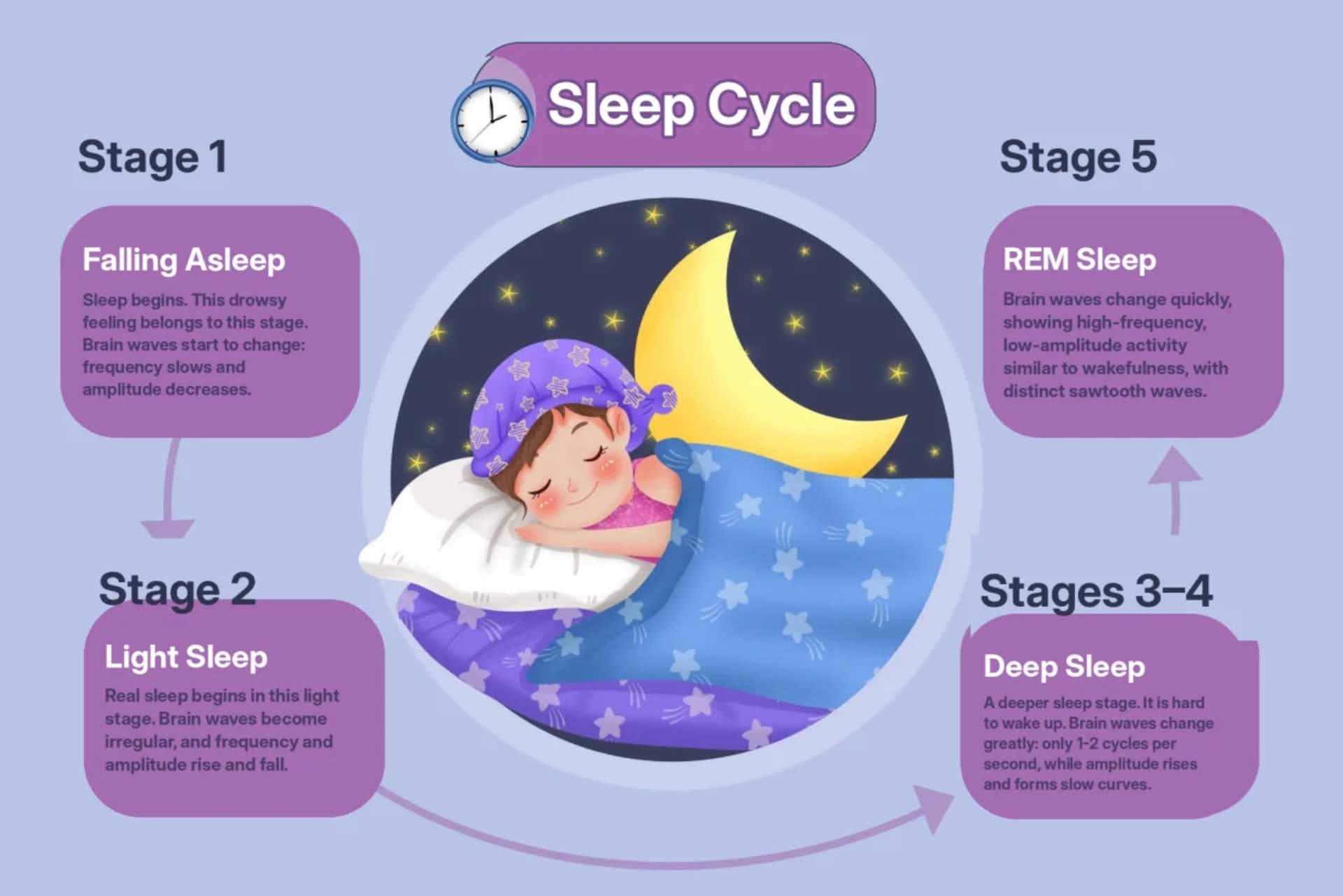
The amount of human sleep goes through cycles which include periods of lighter sleep and periods of deep sleep and REM sleep. These cycles typically are 90 minutes long and can vary based on a number of factors including the individual, the age of the individual, stress levels, disease or medical condition, as well as the individual’s current medication and experimental conditions.
The key point is this: waking from the wrong sleep stage can feel rough even when total sleep time looks normal. If a person is pulled out of deep sleep by an alarm, the brain may need more time to shift into a clear waking state. That is one reason two people can both “sleep 8 hours” but report very different next-day alertness.
For researchers on this it is not enough to measure total sleep time. Sleep quality, sleep architecture, sleep fragmentation, percentage of time spent in REM and deep sleep as well as biochemical markers such as the amino acid neurotransmitters studied here need to be assessed. The same is true for data quality of sleep studies that also pertain to sample handling and the analytical standards applied.
How Caffeine Quietly Changes Sleep Quality
Don’t underestimate caffeine. Yes, it may not keep you completely awake, but it can be very much to blame for your poor sleep.
Caffeine does not just leave the system when coffee is consumed. The active ingredient has a half-life of several hours. Thus, a night cap consumed in the afternoon can still affect the nervous system when one goes to sleep. The person might fall asleep but that deep sleep that one wants to have is likely to be of a lighter quality or for a shorter time.
Most of us are familiar with the effects of a poor night’s sleep, but may not always realize the full extent to which sleep affects us. While someone may say they got a good night’s sleep and woke up feeling fine, they may still feel tired and sluggish. A researcher would note this and control for factors such as the person’s diet, caffeine intake, the time at which they are sampled, and their usual sleep schedule when studying sleep-related neurotransmitters or the metabolism of amino acids.
Researchers studying sleep, stress or metabolic rhythms can also use the Pathways information to relate their targets to relevant biological processes and thus also to potential assays.
The Neurochemical Brake System: GABA and Glutamate
Sleep is regulated by a network of neurotransmitters and neuromodulators. Among them, γ-aminobutyric acid, usually called GABA, is one of the most discussed inhibitory neurotransmitters in the brain.
GABA simply is a substance to decrease neuronal excitability. It acts as a braking signal and is especially important for the relaxation, the start and the maintenance of sleep. Inhibitory signals are needed in the brain for these processes.
On the other side of this balance is glutamate, the major excitatory neurotransmitter. It helps in activating the neurons and also supports learning, memory and wakefulness. This balance is not a fixed set point that the brain ‘turns on’ GABA and ‘turns off’ glutamate, rather it is an on going balance between excitation and inhibition.
That balance is one reason amino acid neurotransmitter analysis is useful. In sleep-related studies, researchers may look at GABA, L-Glutamic acid, glycine, tryptophan, aspartic acid, alanine, D-serine, or broader amino acid panels. The purpose is not to reduce sleep into one compound. It is to see how a network changes under different conditions.
Amino Acids Involved in Sleep-Related Research
Amino acids are more than just building blocks for proteins. Some of them can also be used as neurotransmitters while others can support precursor pathways, energy production for neurons as well as neural signaling.
Here is a simple research-focused view
|
Amino acid |
Research relevance in sleep-related studies |
Practical analytical note |
|
GABA |
The main inhibitory neurotransmitter which has a calming effect on the nerves and promotes sleep. |
Needs reliable standard material for quantification work |
|
L-Glutamic acid |
Major excitatory neurotransmitter, often studied with GABA balance |
Ratio and concentration changes may matter |
|
Linked with inhibitory signaling and muscle relaxation research |
Often included in amino acid panels |
|
|
Precursor related to serotonin and melatonin pathways |
Sensitive to sample type and timing |
|
|
L-Aspartic acid |
A stimulating amino acid drives nerve signaling. The stimulating amino acid helps the brain send messages quickly. |
Can be studied with glutamate-related pathways |
|
Modulates NMDA receptor-related signaling |
Useful in sleep-wake transition and neural activity studies |
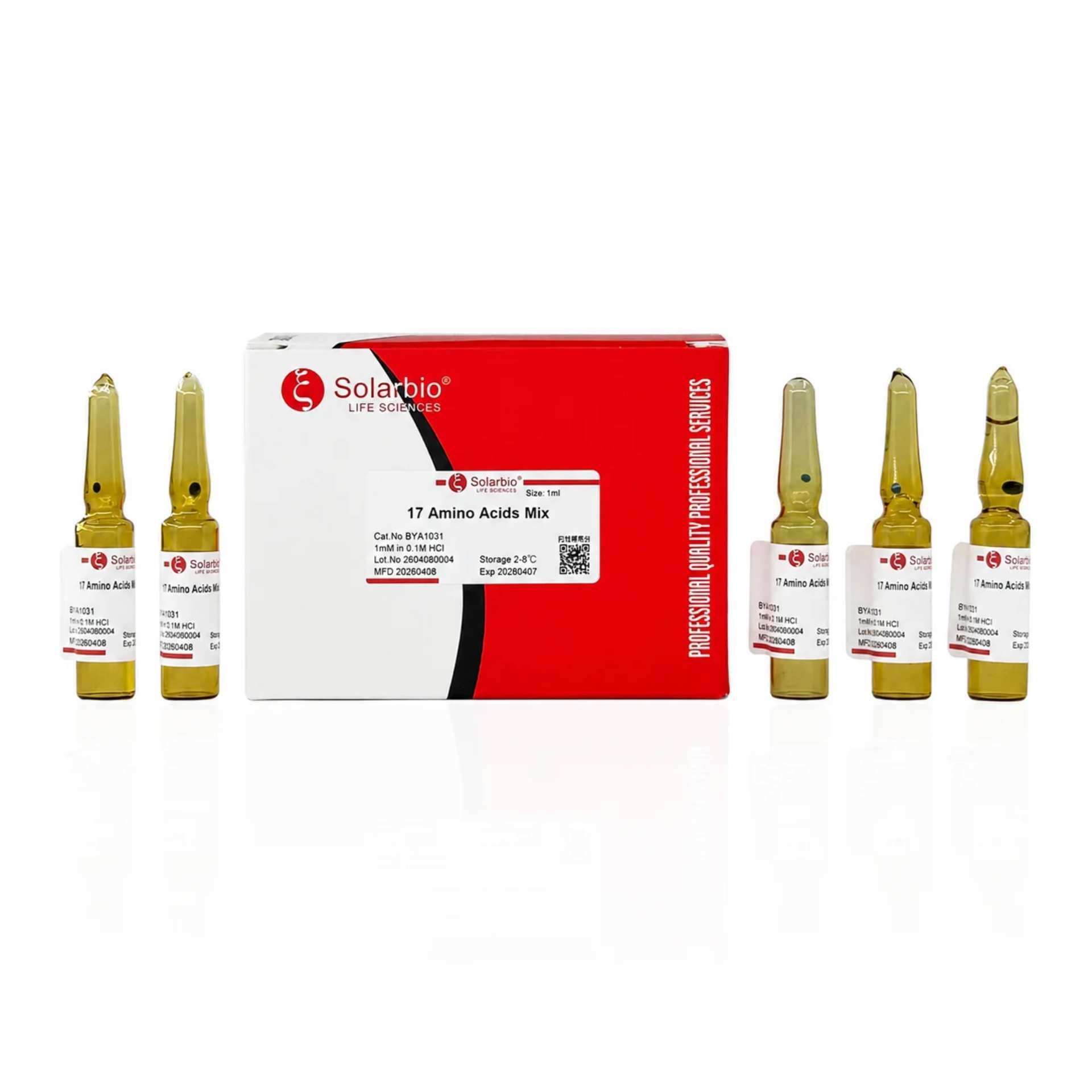
For single target analysis as reference substances γ-Aminobutyric acid and L-Glutamic acid are suitable starting points. For more profound profiling however a mix of amino acids as commercially available standards is more convenient than to prepare each and every single one of them individually.
Why Amino Acid Standards Matter in Sleep Mechanism Studies
Sleep mechanisms are generally portrayed in a sleep mechanism paper in a very clean fashion. However, in the lab they are generally not that clean.
Even small changes to sample preparation can result in large changes to data. Inconsistency in derivatization reactions, interference from the matrix in which samples are dissolved and poor shape of peaks detected can all result in poor data. A standard curve that appears to be perfect on one day can fail dramatically the following week. Most problems are mundane but critical to generating reliable data.
Amino acid standards can assist here. In HPLC or LC-MS analysis, the identification of compounds, the calibration of a method, the validation of a method and the comparison of measurement results for different test samples all benefit from a good quality standard. For analysis of GABA and glutamate in particular, poor quality standards will quickly undermine the validity of any resulting discussion of excitation versus inhibition.
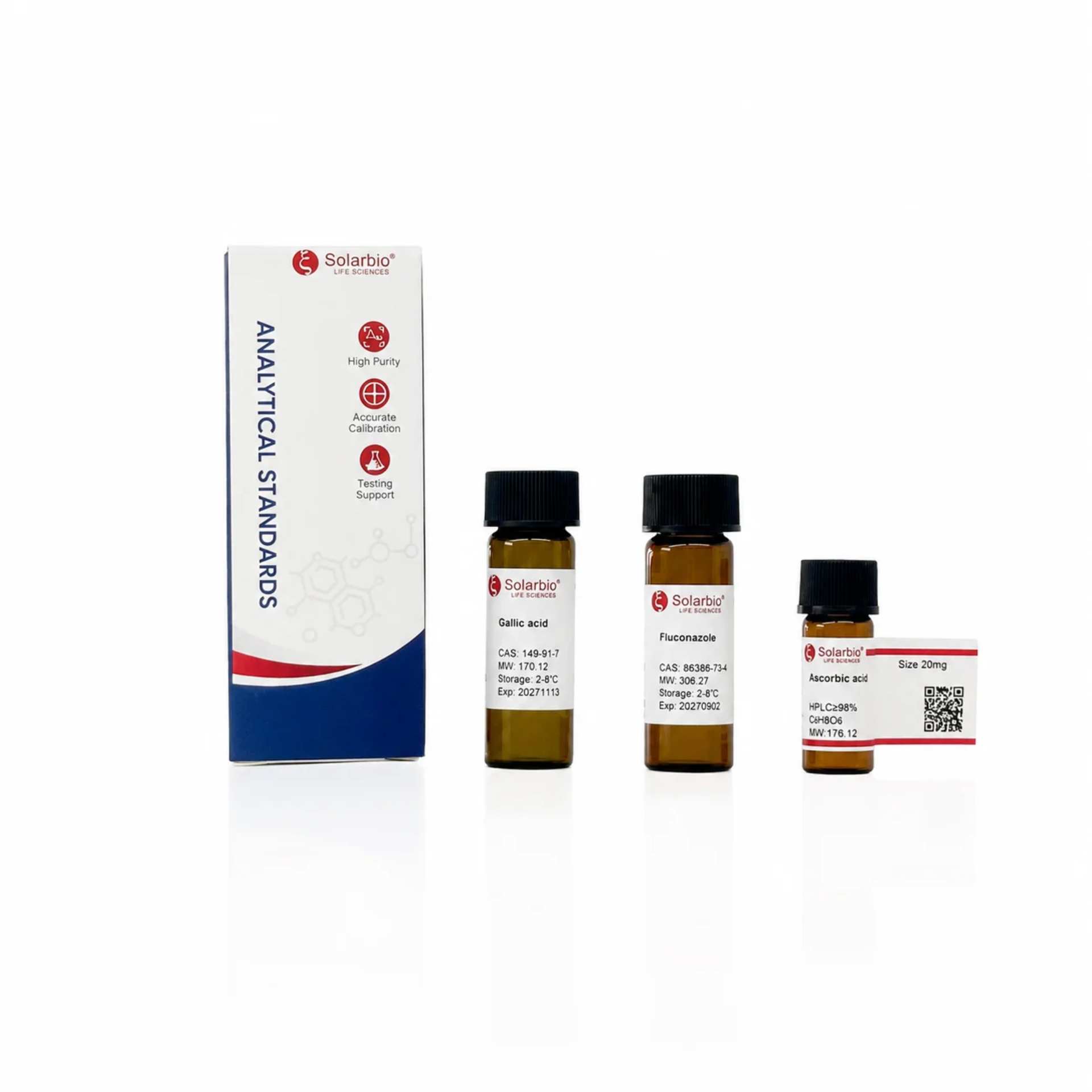
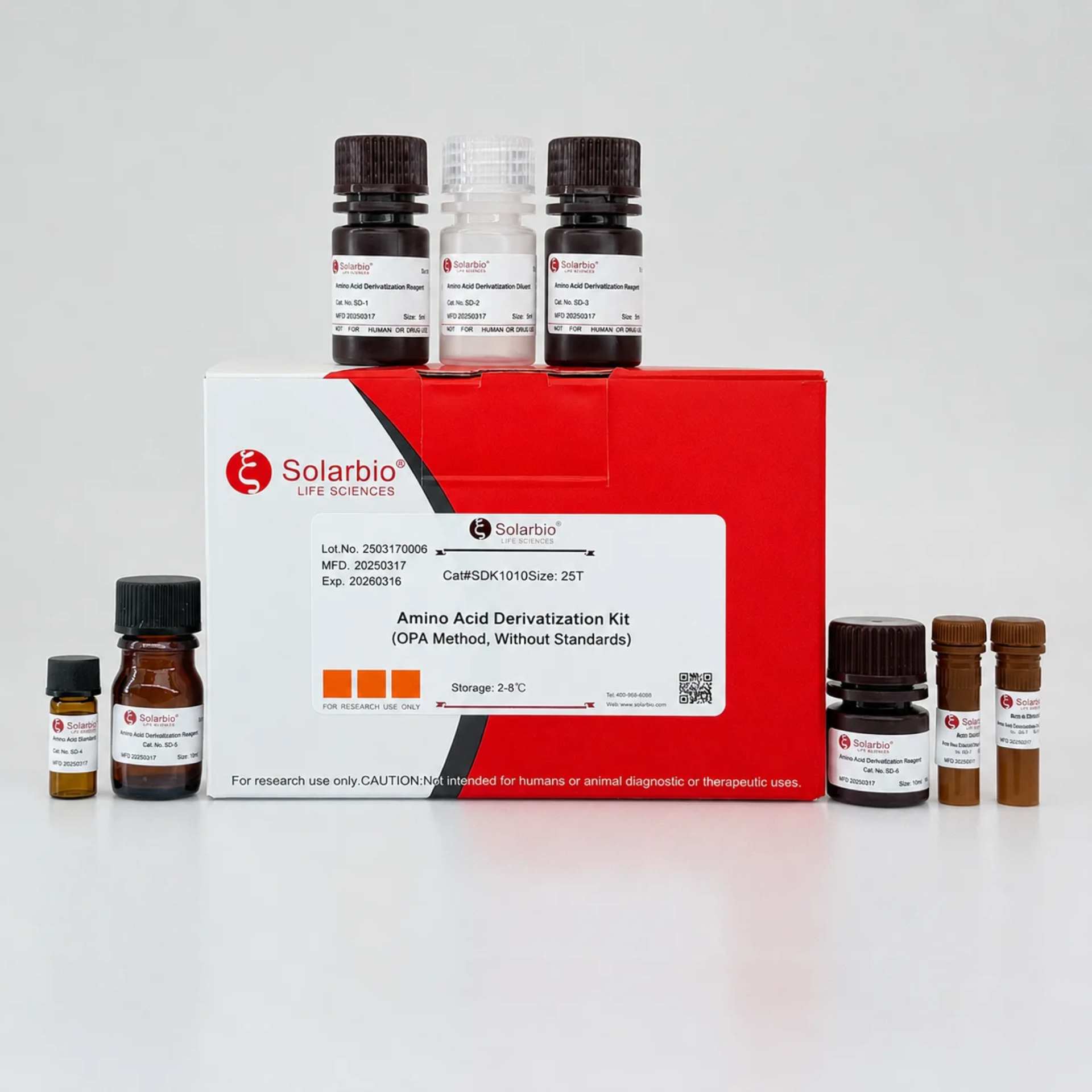
The 21 Amino Acids Mix is a ready to use panel for broader amino acid profiling. For sample preparation workflows, the Amino acid derivatization kit improves the detection consistency when the respective method is based on derivatized amino acids.
In practical terms, the lab should check
Purity or concentration information
COA availability
Storage conditions
Solvent compatibility
Derivatization method
These challenges can be linked to so-called matrix effects coming from plasma, tissue, cell lysate, food, or plant samples.
Linearity and recovery during method validation
This is not a mere checklist for an academic paper. It helps to prevent the worst failure: a beautiful biological story based on shaky analytical data.
Product Selection for Sleep and Amino Acid Research
When it comes to sleep-quality or neurochemical regulation studies, the right product depends on the design of the study.
For the purpose of the current study that aims to investigate the GABA/glutamate balance, using single analytical standards would be appropriate. However, for a study that compares the effects of sleep restriction, caffeine exposure, stress, food intake, or drug effects, a mixed amino acid panel would be more efficient and reduce preparation variability.
A simple product direction can look like this
|
Research need |
Suitable product direction |
|
GABA quantification |
|
|
Glutamate-related analysis |
|
|
Broad amino acid profiling |
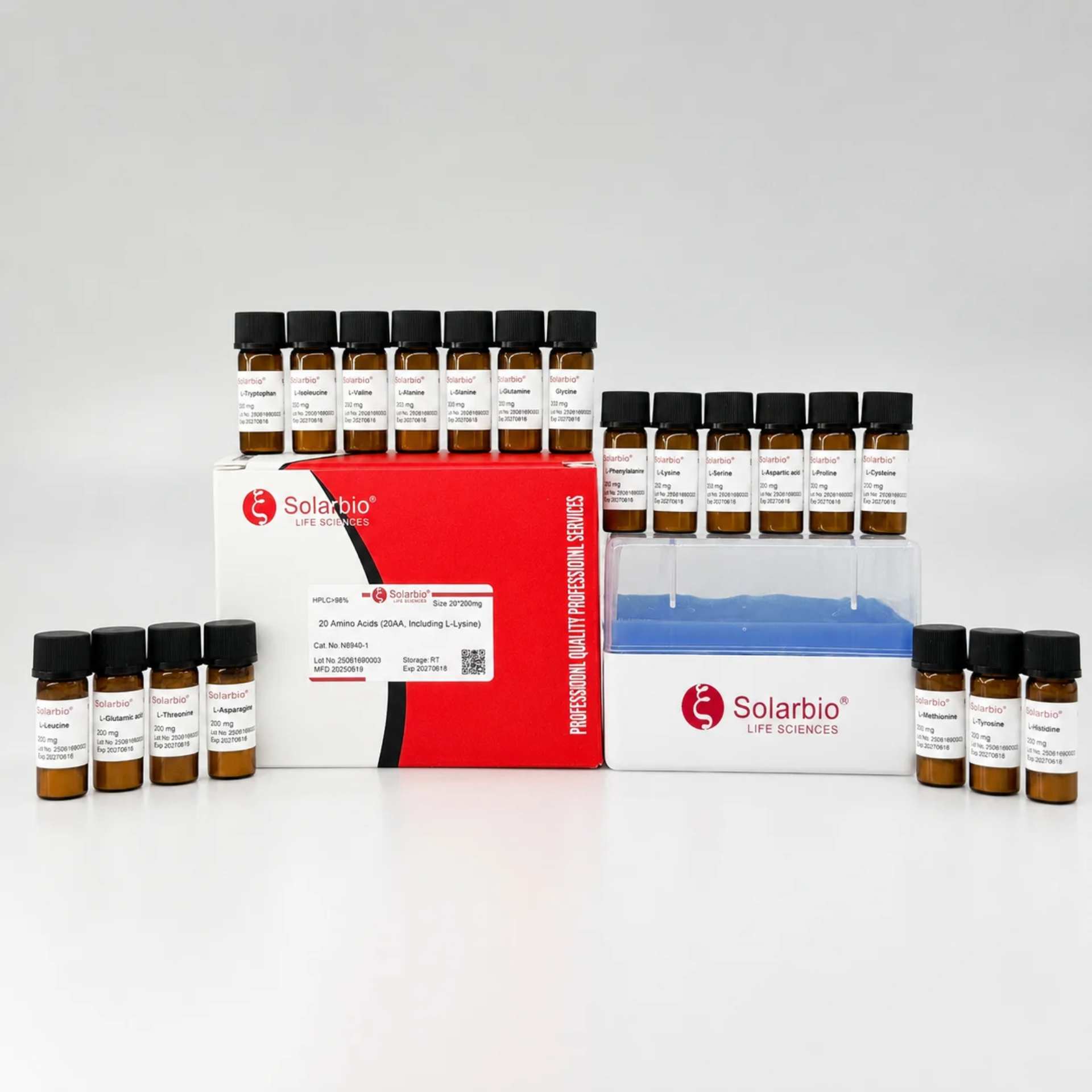
BYA1032 21 Amino Acids Mix |
|
Natural amino acid reference work |
BYA9011 20 natural amino acid set |
|
D-amino acid research |
|
|
HPLC sample preparation |
Oxidized OPA derivatization kit, SDK1010, or PITC derivatization kit, SDK1020. |
Note that our products are NOT sleep aids. They are RESEARCH PRODUCTS used by workers in analytical and biochemical labs. How one describes our products affects Google SEO, user trust, and even scientific accuracy.
How Solarbio Supports Analytical Detection Workflows
Amino acid analysis, while sometimes just being the purchase of a sample bottle, can also be required to be set up as a method, to be validated by method transfer, to determine the amount of a specific amino acid, or to confirm the chemical structure of an amino acid, especially when a sample is very complex, the expected concentration of the analyzed amino acids is very low, or a method is being developed from scratch within a lab.
At Solarbio, we offer technical service support for HPLC method development and validation, analysis of content of components of samples, synthesis of standard compounds on order, synthesis of isotope-labeled compounds on order, as well as various related tests of LC, LC-MS and NMR.
A sleep-related amino acid project can benefit from this in several ways
Choosing a suitable HPLC or LC-MS method
Building a reliable standard curve
Checking whether derivatization is stable
Reducing interference from sample matrix
Confirming target identity when peaks overlap
Make custom standards if your regular products do not match your study.
Supporting researchers in troubleshooting around initial method development issues so they can focus on the real biological question of interest as quickly as possible.
Conclusion
Just because you sleep for 8 hours doesn’t mean you had good sleep. Sleep is not just a matter of time, quality of sleep also depends on the different sleep stages, the times of wakefulness, the amount of caffeine you had before you went to bed, your circadian rhythm and the neurochemical processes. The two main neurochemical processes are regulated by GABA and glutamate, but they are part of a bigger network of amino acids and neurotransmitters.
For researchers, the message is straightforward. If you want to study sleep quality through neurochemical markers, do not stop at the concept level. Pay attention to the analytical method, sample handling, standard quality, derivatization workflow, and validation data. Good neuroscience still needs good chemistry.
We also offer Solarbio amino acid standards, mixed amino acid solutions, derivatization reagents and services to help you validate your sleep research from target selection to method verification. We will make your data less error-prone.
FAQ
Q1: Why is it that some people can sleep 8 hours a night and still feel tired in the morning?
A1: Total sleep time does not show the full picture. A person may wake during deep sleep, have fragmented sleep, get less REM or deep sleep, or still have caffeine effects in the body. Sleep quality depends on sleep architecture, not only duration.
Q2: What role does GABA play in sleep regulation?
A2: GABA is a major inhibitory neurotransmitter in the brain. It functions to reduce neuronal excitability contributing to a relaxation/sleep state of consciousness. In research GABA is often referred to in conjunction with the major excitatory neurotransmitter glutamate.
Q3: Why study L-Glutamic acid together with GABA?
A3: L-Glutamic acid is the major excitatory neurotransmitter and GABA is an inhibitor. Researches look at the balance of excitation and inhibition in the nervous system. This balance can be looked at during sleep, under stress and in many neurological conditions.
Q4: Are the Solarbio amino acid standards intended to be sleep supplements?
A4: No, these are research-use analytical standards and related laboratory materials used for detection, for calibration, for method validation and for biochemical research. These products should NOT be marketed and sold as “sleep supplements” or as “sleep treatments”.
Q5: What products would be suitable for broad amino acid profiling?
A5: BYA1032 21 Amino Acids Mix, BYA9011 20 natural amino acid set, and BYA9012 18 D-Amino Acid Kit. There are some more mixes to choose from if you want to do a more in-depth analysis. It will depend on the list of amino acids you want to detect, the type of sample you are working with and the detection method.
Q6: Why do HPLC amino acid methods require to be derivatized?
A6: Many amino acids have weak native UV or fluorescence signals. Derivatization can improve detectability and separation. Kits such as OPA or PITC derivatization kits help make the workflow more consistent when matched with the right method.
Q7: What are the critical things that one should check for when purchasing amino acid standards for NMR and HPLC analysis ?
A7: This is a list of items to verify for certified standard solutions: purity/concentration, COA, how to store, solvent compatibility, target analytes for the solution, shelf life and if the solution can be detected by HPLC or LC-MS. For mixed standard solutions one would also like to know the exact list of components.
Q8: Can caffeine affect sleep research results?
A8: Yes. Caffeine affects alertness and sleep intensity even when total sleep time is unchanged. In studies caffeine intake, measurement time, diet and sleep schedule should be registered or controlled.
 Consult
 Whatsapp
 Leave Message
 top
top