





Small-Molecule Compound Libraries: The First Choice for High-Throughput Screening
Table of Contents
High-throughput screening forms a regular part of drug discovery, target validation, and pathway analysis. When conducting numerous assays simultaneously, the quality of your compound sources often determines whether the results are valuable or invalid. For this reason, small-molecule compound libraries have shifted from supplementary resources to essential research tools.
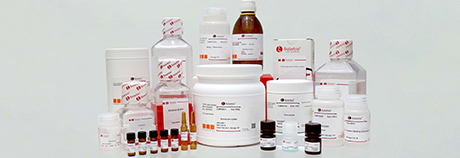
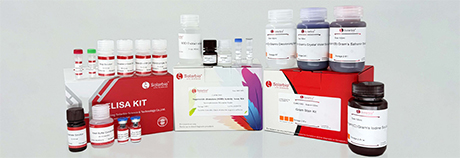
In this context, Beijing Solarbio Science & Technology Co., Ltd. has steadily gained recognition across various laboratories. Established in 2004, the company has developed a comprehensive life science product portfolio that includes antibodies, proteins, biochemical assay kits, ELISA kits, and an extensive selection of small-molecule compounds. Its products, pathway resources, and expert support are clearly presented on its global website. This setup simplifies the process of connecting compound selection with actual laboratory requirements.
Why Are Small-Molecule Compound Libraries Essential for High-Throughput Screening?
High-throughput screening rarely encounters issues arising from equipment or instrumentation. Failures typically stem from compounds that lack proper design, adequate validation, or biological compatibility. A well-constructed library minimizes interference from the initial plate reading onward.
Chemical Diversity Covering Broad Biological Space
It is seldom possible to predict which molecular framework will interact with a novel target. Thus, chemical diversity matters more than the sheer number of compounds. An effective library contains enzyme inhibitors, activators, receptor blockers, pathway modulators, and active small molecules with well-characterized cellular effects.
Solarbio’s small-molecule compound range embodies this concept. Product records indicate that the library spanning metabolic pathways, gene regulation, ion channels, and disease-related targets. In screening, this setup allows one to avoid reliance on a single chemical class and instead explore a broader biological space using fewer assay plates.
Cell-Permeable and Target-Ready Molecular Structures
During high-throughput screening, compounds that cannot penetrate cells or that degrade under aqueous assay conditions often compromise results without obvious indication. Cellular permeability and stability are core requirements, not optional attributes.
Numerous compounds in Solarbio’s library act as cell-permeable inhibitors or modulators. Examples include kinase inhibitors, transcription factor modulators, and metabolic pathway inhibitors. Product documentation indicates that most compounds are provided at defined concentrations with minimal residual toxicity. This factor is critical when transitioning from biochemical assays to cell-based screens.
Compatibility With Automated Screening Platforms
Machines offer high speed, yet they can also expose underlying issues. Incomplete dissolution, unstable storage conditions, or ambiguous labeling can disrupt the entire workflow.
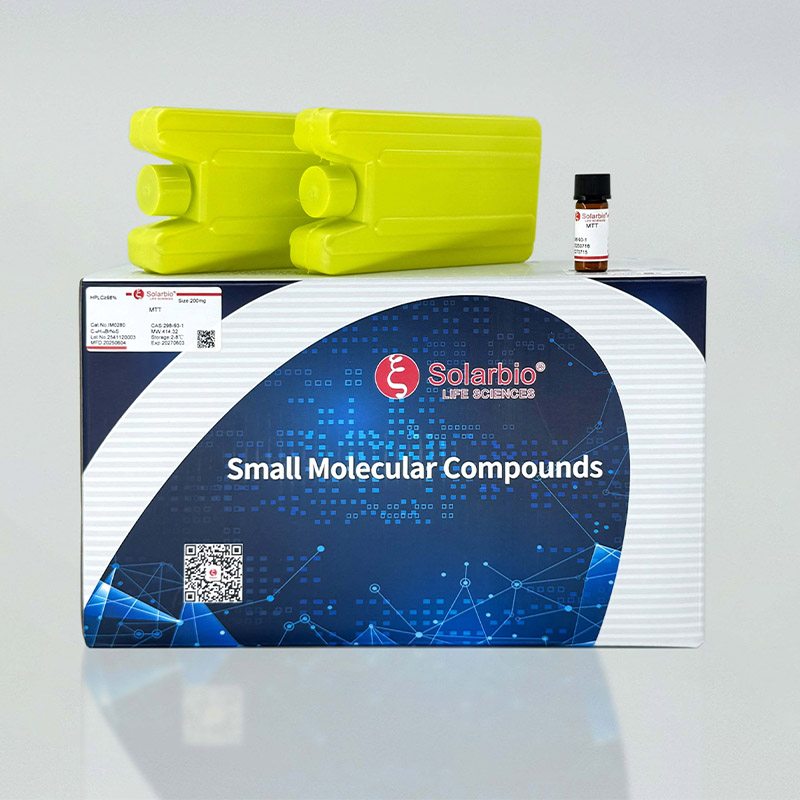
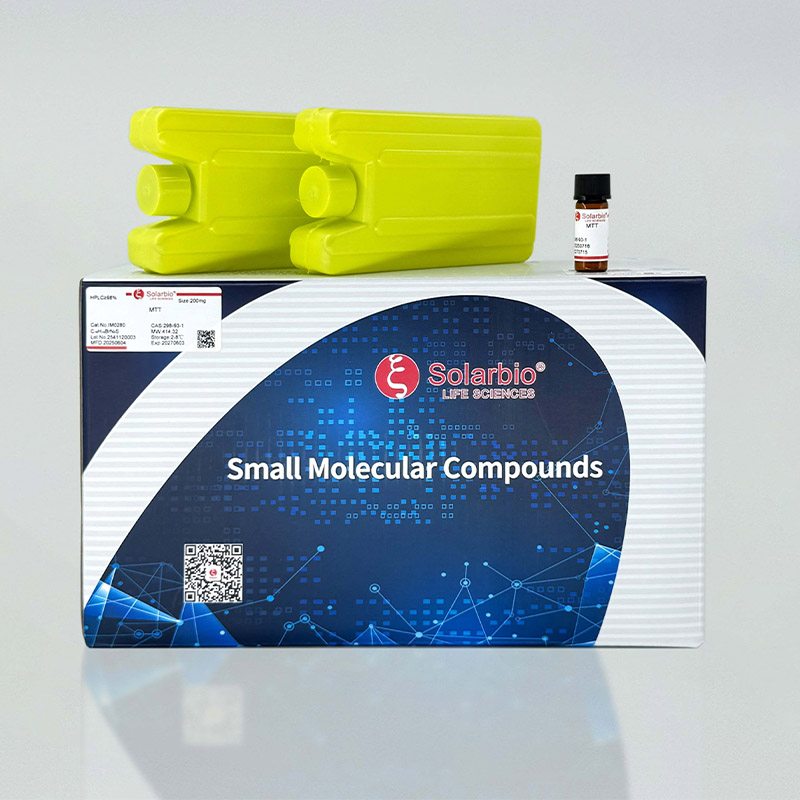
Solarbio supplies compounds in formats that are compatible with screening workflows. These include ready-to-use solutions and lyophilized powders with extended stability. Container options include glass vials, standard cryotubes, and hermetically sealed mini-bottles. These formats are compatible with automated liquid handling systems.
What Makes High-Quality Small-Molecule Libraries Different?
Not all libraries are equal in value. Some libraries appear adequate in product descriptions but present problems once testing begins. The differences typically lie in validation rigor and supply consistency.
Structural Validation and Batch-to-Batch Consistency
Screening results are valuable only if compounds remain consistent across batches. Structural validation and batch-to-batch reliability become critical when promising hits require further follow-up.
Based on quality control methods aligned with ISO guidelines, Solarbio emphasizes batch-to-batch consistency and documented quality checks. Its distributed storage network across several cities supports reliable supply for phased research programs. Further details on this quality and logistics framework can be found in the “About Us” section.
Purity Standards and Bioactivity Reliability
Contaminants frequently generate false positives or mask true hits. For screening libraries, high purity goes beyond the values stated on certificates of analysis. It also requires consistent biological activity.
Product documentation indicates that laboratory-grade compounds typically achieve high purity levels suitable for screening and mechanistic studies. Many of these compounds have been reported in notable publications, including those in journals with impact factors exceeding 50. This publication record provides confidence that the compounds behave predictably in biological systems.
Scalable Formats for Screening and Lead Expansion
Early screening represents only the first step. Once lead compounds emerge, additional quantities are required for dose-response assays and confirmatory studies. Solarbio’s supply strategy facilitates this transition.
How Solarbio Small Molecule Compounds Support Drug Discovery
Drug discovery seldom follows a linear path. Targets shift, assays evolve, and timelines change. Compound libraries should support this dynamic environment, not constrain it.
Comprehensive Library Design for Screening Campaigns
Solarbio supplies individual compounds and targeted collections organized around specific biological themes. These include anti-cancer compounds, neurodegeneration-related molecules, antiviral agents, and pathway-focused sets.
This approach allows you to design screens that align with your hypothesis, rather than relying on disparate compounds. Screening grounded in sound biological rationale typically yields cleaner data and well-defined follow-up strategies.
Ready-to-Use Formats for Laboratory Efficiency
Time constraints significantly impact screening teams. Preparing stock solutions for thousands of compounds is inefficient and time-consuming.
Many Solarbio compounds are supplied as ready-to-use solutions at defined concentrations. You can add them directly to cell culture media. This feature is particularly valuable in phenotype-based screening or tissue-based assays, where dispensing errors can be costly.
Stable Supply and Long-Term Project Support
Research projects spanning months or years demand reliable suppliers. Switching compound sources during a project introduces unnecessary risk.
Solarbio’s storage network and rapid distribution centers enable rapid response and reliable delivery.
Which Research Scenarios Benefit Most From Compound Libraries?
Compound libraries extend beyond standard drug screening and are increasingly used across various research stages.
Target-Based Drug Screening and Validation
When a new target is identified, compound libraries help quickly answer a fundamental question: can small molecules modulate this target?
Libraries containing well-characterized blockers, activators, and antagonists allow you to validate targets prior to significant medicinal chemistry investments. This preliminary step saves both time and resources.
Pathway-Focused Functional Studies
Pathway-focused studies typically require multiple modulators acting at different nodes of a signaling cascade. Testing one compound at a time is slow and yields an incomplete picture.
Solarbio organizes compounds by biological pathways, including signaling pathways such as HIF, PI3K, ER stress, and ferroptosis. These can be browsed via the “Pathways” section, which connects compounds to biological context beyond mere chemical identifiers.
Disease-Oriented Mechanism Exploration
In disease-oriented research, compound libraries help link phenotypes to underlying molecular mechanisms.
How Does Solarbio Address Pathway-Driven Screening Needs?
Pathway-driven screening demands more than a simple list of compounds. It requires biological context and technical support.
Signaling Pathway-Focused Compound Coverage
Solarbio’s pathway-based collections contain compounds that modulate stress responses, energy metabolism, immune signaling, and cell death processes. These serve as common starting points for current drug discovery efforts. By matching compounds to pathways, less effort is required to connect screening outcomes to biological relevance.
Disease-Relevant Molecular Target Libraries
Disease-centered libraries are built around targets validated in the literature. This reduces the likelihood of pursuing irrelevant hits. Product documentation highlights applications in cancer biology, neurological diseases, and virology research. These fields typically require rapid screening cycles and reliable compound activity.
Integration With Pathway and Mechanism Research
Compound data alone is insufficient. Researchers require additional biological context and experimental guidance. Solarbio facilitates this integration through technical articles and case studies shared in its “News” and “Solutions” sections. These resources transform screening results into actionable insights.
Why Choose Solarbio as a Long-Term Screening Partner?
A screening partner should solve problems, not create them. This includes ordering processes, data consistency, and communication.
One-Stop Solutions From Compounds to Technical Services
Solarbio’s system integrates compounds, laboratory supplies, and technical support within a single network. This is particularly valuable when screening outcomes lead to follow-up experiments involving proteins, antibodies, or ELISA kits. You avoid dealing with multiple suppliers and inconsistent quality standards.
Quality Systems Aligned With International Research Standards
The company operates in accordance with several ISO certifications, including ISO 9001 and ISO 13485. These standards govern routine manufacturing, quality control, and documentation. For screening efforts that may support regulated or applied research in the future, this foundation is highly valuable.
Global Supply Capability and Technical Support
Serving clients across different regions, Solarbio has established logistics and support systems suitable for global research projects. Contact information is clearly listed on the “Contact” page.
Getting Started with Solarbio Compound Libraries
Flexible Product Selection and Customization Options
You can select individual compounds, small kits, or complete libraries based on project scale. Customization options are available for specific screening requirements. This flexibility helps align compound selection with budget and timelines.
Direct Access to Technical Documentation and Solutions
Solarbio provides open access to product data, pathway information, and reference resources. The “Solutions” section is particularly helpful for designing screening strategies.
Efficient Communication and After-Sales Support
Screening rarely goes exactly as planned. When questions arise, prompt expert responses can significantly improve outcomes. Solarbio emphasizes expert consultation and after-sales support in its service plan.
FAQ
Q1: What makes small-molecule compound libraries suitable for high-throughput screening?
A: They offer chemical diversity, validated bioactivity, and formats compatible with automated platforms, which reduces experimental noise and increases screening efficiency.
Q2: Can compound libraries support both biochemical and cell-based assays?
A: Yes. Many compounds are cell-permeable and stable in aqueous systems, making them suitable for both assay types.
Q3: Are pathway-focused libraries better than random compound collections?
A: For hypothesis-driven research, pathway-focused libraries often produce clearer and more interpretable results.
Q4: Where can compound details and related research tools be accessed?
A: Product and pathway information is available on Solarbio’s official website, including its compound, solutions, and service pages.
 Consult
 Whatsapp
 Leave Message
 top
top