



Related news
Carrez Protein Clarifying Agent BC6680/BC6685 for Protein Removal Before HPLC and Enzymatic Assays
Table of Contents
Protein interference looks like a minor issue at first glance. Yet it often leads to wasted hours in the lab. The sample may appear fine at the start. Later the background rises, the calibration line turns uneven, or the HPLC baseline shifts. Staff sometimes suspect the instrument first. In many cases the real cause lies earlier, in the sample preparation step.
This issue shows up often with dairy items, soy foods, biological fluids, plant extracts, and certain processed foods. These materials hold proteins, fats, colloids, and tiny particles. When these components stay behind, they disturb HPLC runs, enzyme tests, and UV-Vis readings.
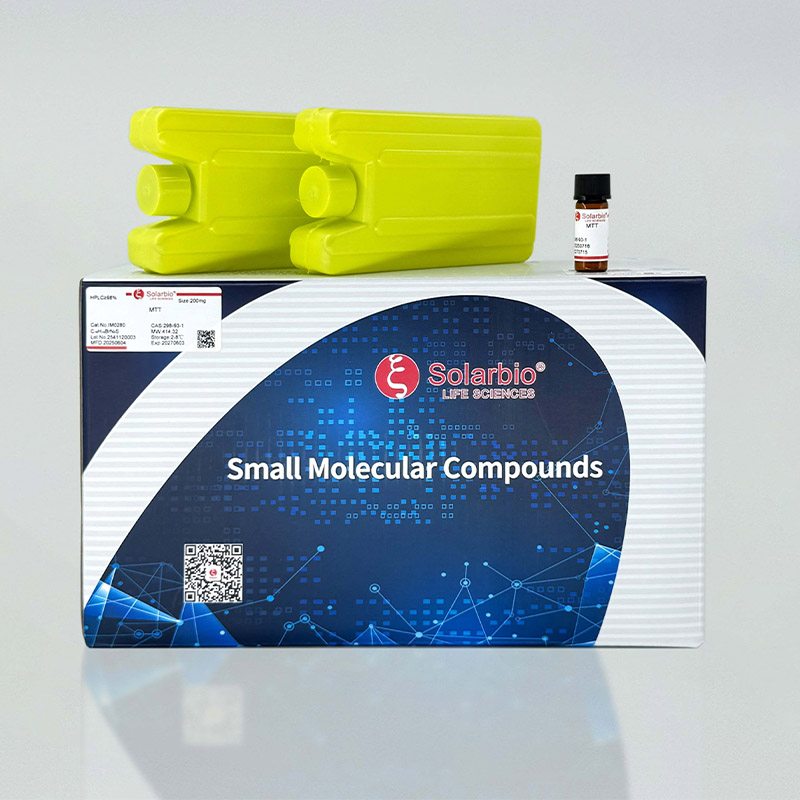
Solarbio Carrez Protein Clarifying Agent BC6680/BC6685 targets this exact need. It follows the established Carrez approach and forms a zinc ferrocyanide precipitate that pulls proteins and colloids out of water-based liquids. Labs that measure lactose, galactose, organic acids, amino acids, sugars, alcohols, or aldehydes find it a handy reagent for daily use.
Why Protein Removal Matters Before Testing
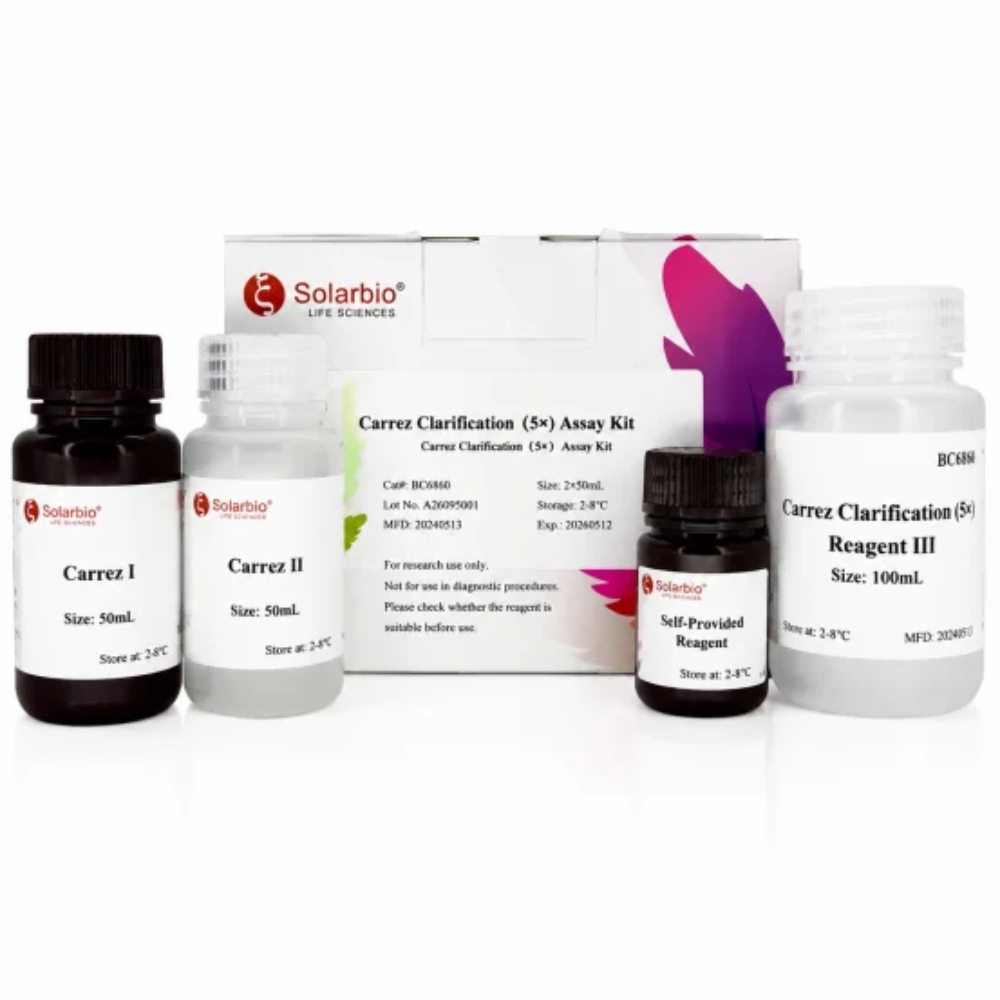
Protein does not always create obvious cloudiness. A sample can look clear yet still contain enough protein and colloid to affect results. In HPLC work, leftover protein can clog the column, raise back pressure, distort peak shapes, and shift the baseline. The trouble may build slowly. Early injections look normal, then pressure climbs and peaks broaden.
In enzyme assays, remaining protein can lift background readings. The calibration line becomes less straight and repeat runs show more scatter. This effect grows larger when the target sits at low concentration. In UV-Vis work, turbidity scatters light. The meter records a value that mixes real analyte signal with matrix noise.
Some labs turn to trichloroacetic acid or fast spinning to clear the sample. These steps succeed in certain cases. They can also change pH sharply or leave soluble proteins behind. Carrez treatment works at milder conditions and fits better into many small-molecule workflows.
How Carrez I and Carrez II Work
The method uses two solutions. Carrez I and Carrez II are added in turn. They react inside the sample to form zinc ferrocyanide. The new solid binds proteins, fats, and colloids through surface attachment and joint settling. After the solid drops out, the liquid above it becomes clear enough for further tests.
Solarbio supplies the pair as BC6680/BC6685 biochemical reagents. The best pH sits between 7.5 and 8.0. Within this window the precipitate forms steadily and the liquid clears in a few minutes. Once the solid appears, it should be removed without delay by spinning or filtering. Leaving it too long can allow some material to return to solution if conditions drift.
What BC6680/BC6685 Is Good At
Speed is one advantage. Most samples reach usable clarity inside fifteen minutes. No overnight wait is required. Labs that process many food or biological samples each day notice the time saving.
The reaction also stays gentle. Sugars and organic acids keep their integrity better than they do under strong acid treatment. That is why the method appears often before lactose, galactose, or lactic acid measurements.
After the solid is taken out, the liquid works with HPLC, enzyme kits, and spectrophotometer runs. An extra pass through a 0.22 micrometer filter before HPLC injection adds extra column protection when the sample is complex.
Storage is simple. The reagents travel and sit at room temperature under normal lab conditions. No special cold storage is needed for routine stock.
Dairy Samples: A Very Common Use Case
Dairy testing forms a frequent application. Milk, yogurt, cheese, and whey powders contain casein, whey proteins, fat, and colloids. These components readily disturb later measurements of lactose, galactose, or lactic acid. Proper removal of the proteins yields a cleaner liquid that gives steadier readings and better repeat results.
Soy Products and Plant-Based Samples
Soy milk, tofu, and plant drinks present similar challenges. Soy proteins and plant colloids can shift color reactions and chromatographic traces. Simple spinning sometimes leaves enough material to cause fluctuating numbers. Carrez treatment reduces part of this interference and improves clarity before sugar or amino acid tests. Dark plant extracts may still need a separate color removal step, because the reagent mainly targets protein and colloids rather than pigments.
Biological Samples and Pharmaceutical Research
Serum and urine contain albumin and globulins that can mask small-molecule signals. BC6680/BC6685 can be applied to selected biological liquids when the goal is to clear protein before metabolite work. In pharmaceutical research, the same approach helps with certain extracts or process samples. Recovery checks remain useful with any new matrix, because excess reagent can pull some target molecules into the solid.
Where Labs Need to Be Careful
The method does not fit every target. Strongly colored samples often stay colored after treatment. Extra color removal may still be required. Carrez reagents can also disturb tests for ascorbic acid, citrate, urea, or ammonia. Samples meant for iron measurement should avoid this route because the chemistry interferes with ferrous ion detection.
pH must stay near 7.5 to 8.0. Outside this range the solid may form incompletely or target recovery may drop. The amount added also needs balance. Too little leaves protein behind. Too much can carry target molecules away with the solid. A quick recovery trial on a new sample type helps set the right volume.
A Simple Working Flow
A typical sequence stays straightforward. First prepare the water-based extract and adjust pH if needed. Add Carrez I and mix. Add Carrez II and mix again. Allow the solid to form. Spin or filter to collect the clear liquid above the solid. Use that liquid for HPLC, enzyme assay, or UV-Vis work. A final 0.22 micrometer filtration before HPLC injection protects the column when the sample is rich in particles.
Why Choose Solarbio Carrez Protein Clarifying Agent BC6680/BC6685
Routine labs need a reagent that is straightforward, stable on the shelf, and useful across several sample types. BC6680/BC6685 meets these points. It removes protein and colloid from water-based liquids ahead of small-molecule analysis. The reagent supports dairy testing, soy product work, biological sample prep, food quality checks, plant extract studies, and selected pharmaceutical steps.
Cleaner liquids reduce later problems. Columns last longer. Enzyme backgrounds stay lower. Spectrophotometer readings become less affected by scattered light. These practical gains add up during daily operation.
Conclusion
Protein interference can make reliable methods appear faulty. High backgrounds, crooked calibration lines, drifting HPLC baselines, and scattered repeat data often trace back to the sample matrix rather than the instrument. Solarbio Carrez Protein Clarifying Agent BC6680/BC6685 offers a direct way to remove proteins, fats, and colloids before measurement.
The zinc ferrocyanide precipitate produces a clearer liquid suitable for HPLC, enzyme tests, and UV-Vis work. When used with proper pH, correct volume, and prompt removal of the solid, the reagent helps deliver smoother downstream results across dairy, soy, biological, food, and plant samples. For product selection, sample preparation support, or bulk reagent inquiry, you can contact Solarbio for further assistance.
FAQ
Q1: What is Solarbio Carrez Protein Clarifying Agent BC6680/BC6685 used for?
A1: It removes proteins, fats, and colloidal material from water-based samples ahead of HPLC, enzyme assays, UV-Vis readings, and other small-molecule tests.
Q2: Why do Carrez I and Carrez II need to be used together?
A2: Only the pair forms the zinc ferrocyanide solid that binds and removes the unwanted components.
Q3: Can the clarified liquid be injected into HPLC directly?
A3: In many cases yes, yet a 0.22 micrometer filter step before injection removes fine particles and protects the column.
Q4: Is BC6680/BC6685 suitable for dairy testing?
A4: Yes. It works with milk, yogurt, cheese, and whey powders before lactose, galactose, or lactic acid measurements.
Q5: Can this reagent be used for soy products?
A5: Yes. It clears soy protein from soy milk, tofu, and related items before sugar or amino acid tests.
Q6: What pH is recommended for Carrez clarification?
A6: The range 7.5 to 8.0 gives steady solid formation and good target recovery.
Q7: Which samples are not ideal for Carrez clarification?
A7: Strongly colored samples may need extra color removal. Tests for ascorbic acid, citrate, urea, ammonia, or ferrous ion require separate checks because the reagent can interfere.
Q8: Can Carrez clarification replace TCA precipitation?
A8: It serves as a milder option in many small-molecule workflows because it works near neutral pH and is less likely to harm sensitive targets.
Q9: Why should reagent dosage be checked for each sample?
A9: Protein levels vary. Too little leaves protein in the liquid. Too much can carry target molecules into the solid. A short recovery test helps set the right amount.
Q10: How should the sample be handled after adding Carrez reagent?
A10: Remove the solid by spinning or filtering soon after it forms, then take the clear liquid for the next step.
 Consult
 Whatsapp
 Leave Message
 top
top