





Related news
COX4I1 as a Mitochondrial Loading Control for Reliable Western Blot Results
Table of Contents
A Western blot can fail in a very ordinary way. The sample was fine, the target was there, but one lane had a little more protein. Another transferred less evenly. Sometimes the primary antibody was simply too concentrated. The final image then looks like a biological difference even when the problem started somewhere in the workflow.
A loading control for your mitochondrial experiments will require a bit more thought than for your whole-cell lysate experiments. While GAPDH, β-Actin, and β-Tubulin are commonly used for a variety of experiments, they will not always be the best choice for mitochondrial studies.
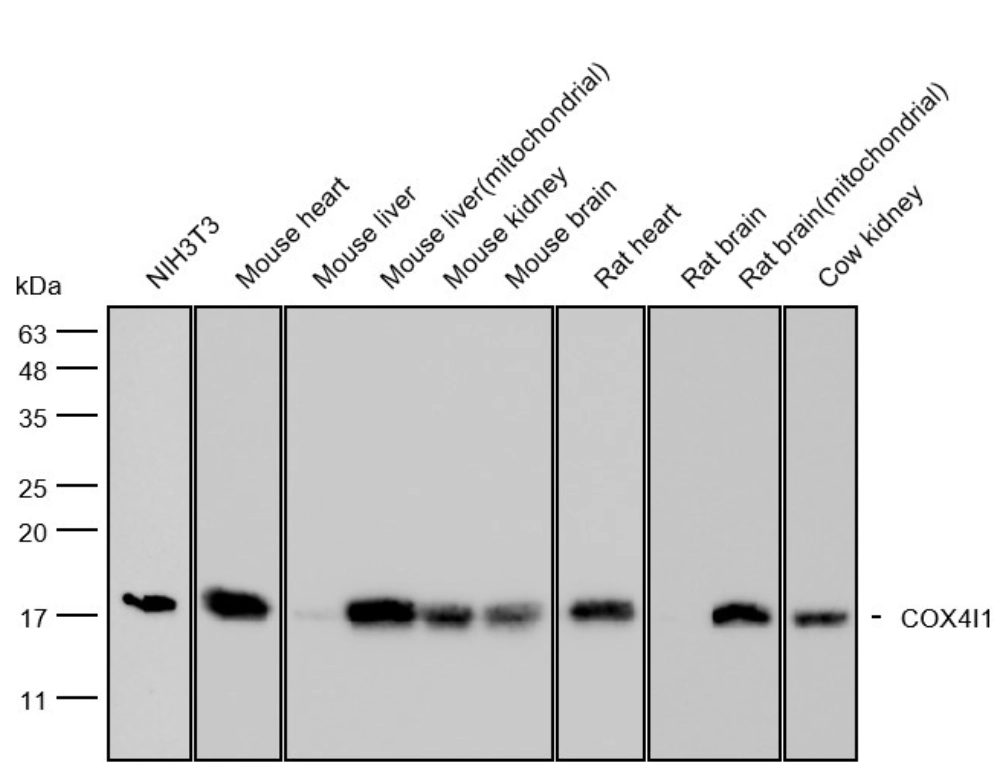
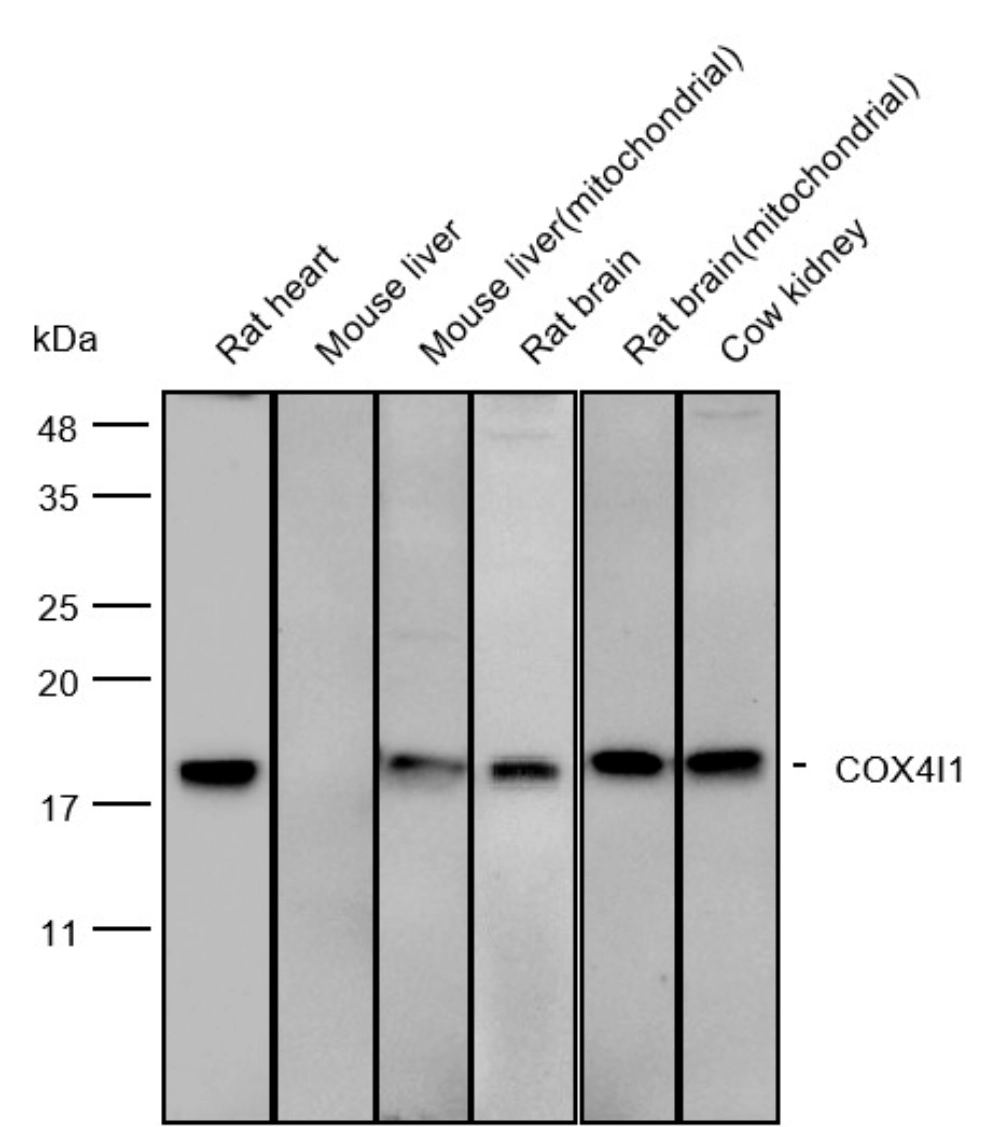
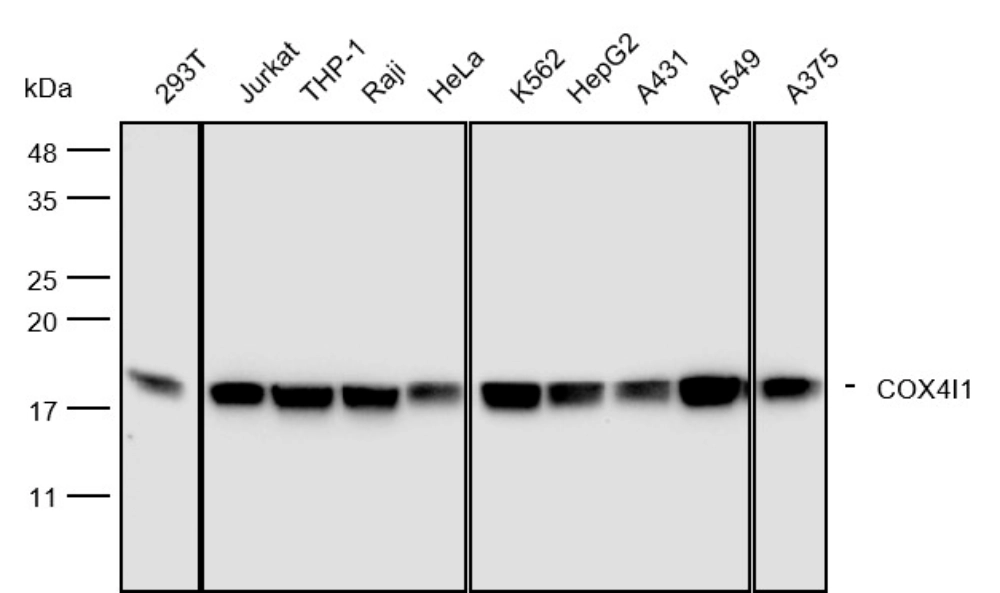
COX4I1 is commonly used as a mitochondrial loading control. It is part of the respiratory chain Complex IV, which is located in the inner mitochondrial membrane. The band for COX4I1 is typically about 18 kDa in Western blots. That combination makes it useful when the sample itself is mitochondrial.
Solarbio supplies COX4I1 antibodies together with other antibodies and protein research reagents used in Western blot, IHC, IF, and FCM. There are monoclonal, polyclonal, and recombinant antibody options, so the choice does not have to be limited to one format.
What Is COX4I1 and Why Does It Matter?
COX4I1 means cytochrome c oxidase subunit 4 isoform 1. It is encoded by a nuclear gene, then transported to mitochondria, where it becomes part of cytochrome c oxidase, also called Complex IV.
Researchers usually meet COX4I1 in one of two situations. Sometimes it is the protein being studied. Other times it is simply there as a mitochondrial loading control.
COX4I1 in the Mitochondrial Respiratory Chain
Complex IV is the terminal enzyme complex of the mitochondrial electron transport chain. It accepts electrons from cytochrome c and transfers them to molecular oxygen, reducing oxygen to water.
This reaction helps to maintain a proton gradient across the inner mitochondrial membrane. This gradient can be used for oxidative phosphorylation to produce ATP.
COX4I1 is involved in keeping Complex IV working normally. If mitochondrial respiration changes, COX4I1 may become relevant to the question being studied rather than just serving as a reference band.
This is one reason the same protein shows up in projects on mitochondrial metabolism, oxidative stress, ferroptosis, and energy production. The Solarbio research pathways section also groups products around these kinds of research areas.
COX4I1 Molecular Weight and Localization
The protein Human COX4I1 is a 169 amino acid long protein with a theoretical molecular weight of approximately 19 kDa. The protein detected by Western blotting, however, has a molecular weight of approximately 18 kDa.
The location is just as important as the size. COX4I1 mainly sits in the mitochondrial inner membrane.
If you are running an enriched mitochondrial sample, that location makes sense. You are comparing one mitochondrial sample with another, so using a mitochondrial protein as the reference is often more useful than relying on a cytoplasmic housekeeping protein.
The small molecular weight also gives COX4I1 a fairly clear place on the blot, especially when the main targets are much larger.
COX4I1 Expression Across Tissues
COX4I1 is widely expressed in cells with mitochondria. It is easy to see why tissues with high energy demand matter here.
These tissues rely heavily on the production of ATP by mitochondria, and as such COX4I1 appears frequently in work on the muscle metabolism, as well as in work on neurological models, on the liver and on mitochondrial dysfunction.
Researchers working in these fields can find primary antibodies, secondary antibodies, biochemical reagents, and related materials through the Solarbio product range.
Why Use COX4I1 as a Mitochondrial Loading Control?
A loading control is there to keep the comparison fair.
If two lanes are supposed to contain similar amounts of mitochondrial protein, the reference band should help show whether that is actually the case. COX4I1 often works well for this because it comes from the mitochondrial compartment itself.
COX4I1 Compared with Whole-Cell Loading Controls
GAPDH is useful. β-Actin is useful too. The same goes for β-Tubulin. None of that means they should automatically be carried into every mitochondrial experiment.
Once mitochondria have been isolated or enriched, the sample is different.
GAPDH is mainly a cytoplasmic protein. β-Actin and β-Tubulin are also not mitochondrial inner membrane proteins. If your main question is about mitochondrial protein abundance, their signals may not reflect mitochondrial loading very well.
COX4I1 is closer to what you are actually measuring.
This does not make it universally better. It just makes it more suitable in many mitochondrial Western blot workflows. Solarbio also provides Western blot solutions covering protein quantification, electrophoresis, transfer, antibodies, and chemiluminescent detection.
When COX4I1 Is a Good Choice
COX4I1 is often a sensible choice when the sample is a mitochondrial fraction and the target proteins are also mitochondrial.
Respiratory chain proteins are an obvious example. The same applies to studies of mitochondrial membrane proteins, oxidative phosphorylation, and mitochondrial energy metabolism.
If COX4I1 stays stable across the groups, its band can be used as a reference when target protein levels are compared.
This is usually the part people care about most in practice. The control needs to stay steady enough for normalization. Nothing more complicated than that.
When COX4I1 May Not Be Suitable
There are experiments where COX4I1 is a poor loading control.
If the treatment changes mitochondrial number, mitochondrial mass, Complex IV expression, or oxidative phosphorylation, COX4I1 may change too.
That creates an obvious problem. A protein cannot be a stable reference if the experiment is directly moving its expression.
For this kind of model, it is worth checking COX4I1 across the control and treatment groups first. A quick test can prevent a whole batch of data from being normalized against the wrong protein.
How Does COX4I1 Relate to Mitochondrial Research?
COX4I1 is not only a housekeeping-style marker for mitochondria.
COX4I1 has a biological role of its own, which becomes particularly relevant in studies of mitochondrial dysfunction, cancer metabolism, and cellular stress.
COX4I1 and Oxidative Phosphorylation
COX4I1 is part of Complex IV, so it sits directly inside the oxidative phosphorylation system.
Changes in Complex IV can affect how efficiently mitochondria use oxygen and produce ATP. Other effects may follow, including changes in membrane potential, redox balance, and energy metabolism.
That is why COX4I1 can be both a loading control and a research target.
If oxidative phosphorylation itself is what you are studying, it is worth being careful. COX4I1 may no longer behave like a neutral reference protein under those conditions.
COX4I1 in Cancer Research
COX4I1 has also been studied in cancer-related models.
In acute myeloid leukemia, loss of COX4I1 has been linked with changes in mitochondrial ultrastructure and oxidative phosphorylation. Work in this area has also looked at mitochondrial stress and ferroptosis.
COX4I1 has been investigated in high-grade glioma as well, including its connection with tumor cell proliferation.
This is a good example of why context matters. In a routine mitochondrial blot, COX4I1 may be your control. In a cancer metabolism project, COX4I1 itself may be changing.
COX4I1 and Cellular Stress
COX4I1 deficiency has also been associated with impaired DNA damage response, reduced proliferation, and premature cellular senescence.
For Western blot work, the practical point is simple.
Do not choose a loading control only because it is common. Choose it because it is stable in your own model.
How Should You Choose a COX4I1 Antibody?
Once COX4I1 is selected, the next issue is the antibody.
A clean Western blot band depends on species, sample type, antibody format, dilution, and application validation. A product name alone does not tell you whether it will work well in your setup.
Monoclonal COX4I1 Antibodies
A monoclonal antibody recognizes one defined epitope on the target.
For repeated Western blot work, that can be useful because the recognition pattern is more controlled.
The K200031M Anti-COX4I1 Monoclonal Antibody is a mouse monoclonal option for COX4I1 detection.
Before using it, check the sample species and the recommended Western blot conditions. Small things such as host species or dilution can decide whether the blot is clean or full of background.
Polyclonal COX4I1 Antibodies
Solarbio also supplies several Anti-COX4I1 Polyclonal Antibody products, including K107160P, K110107P, K004618P, and K007906P.
Polyclonal antibodies recognize several epitopes on the same protein.
That can be useful when one epitope is partly affected by sample preparation. In some cases, polyclonal antibodies also give a stronger signal.
There is no fixed rule saying monoclonal is always better or polyclonal is always better. The cleaner Western blot in your sample is the one that matters.
Recombinant COX IV Antibodies
K011748RR Anti-COX IV Recombinant Antibody is another option.
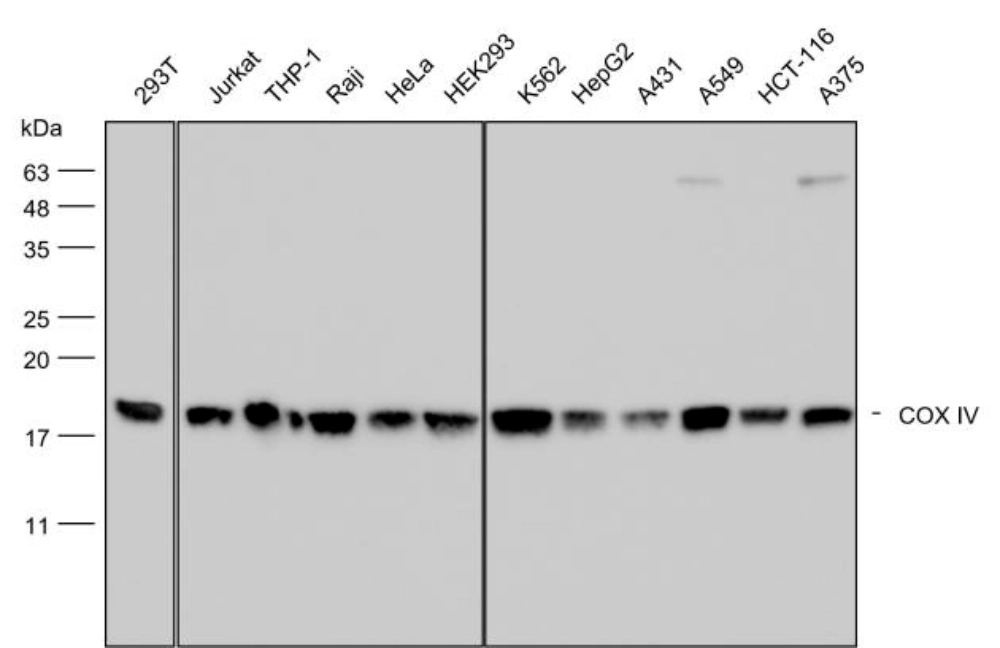
Recombinant antibodies come from a defined antibody sequence. For projects that run for a long time, this can be useful when consistent antibody production is important.
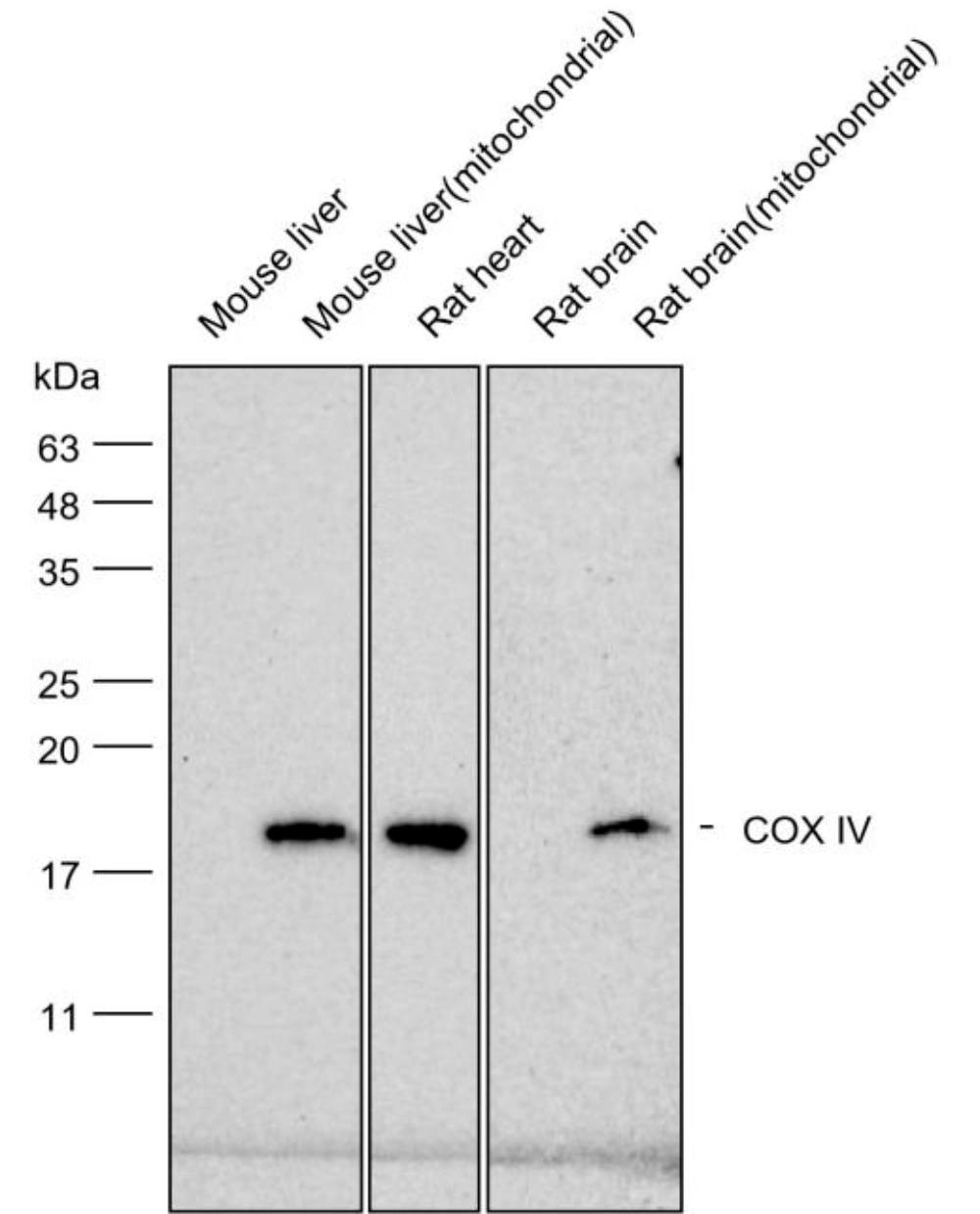
Solarbio also provides custom antibody and protein services for projects involving antibody development, recombinant proteins, peptides, and other research materials.
How Can You Improve COX4I1 Western Blot Results?
A messy COX4I1 band is not always an antibody problem.
Sometimes the sample was uneven before the gel was loaded. Sometimes the protein transferred too far. Sometimes the antibody concentration was simply too high.
Checking these points one by one usually works better than replacing everything at once.
Start with Consistent Mitochondrial Samples
Prepare every mitochondrial fraction in the same way.
If the control sample is clean but the treated sample contains more cytoplasmic contamination, the final comparison is already weak.
Protein concentration should also be measured before loading.
Equal microliters do not mean equal protein. PC0020 BCA Protein Assay Kit can be used to check protein concentration before SDS-PAGE so that the loading amount is based on protein, not sample volume.
That sounds basic, but it is one of the first things worth checking when bands look uneven.
Adjust Transfer and Antibody Conditions
COX4I1 is small, around 18 kDa.
If transfer conditions are too strong or too long, part of the protein can pass through the membrane or fail to remain where you expect.
So if the COX4I1 band is weak, do not immediately blame the antibody. Check transfer time and membrane conditions too.
The same goes for primary antibody dilution. More antibody often means more background, not necessarily more useful signal.
A small test with two or three dilutions can quickly show which concentration gives the cleanest band.
Keep the Detection Workflow Consistent
Western blot works better when the routine stays boring.
Use the same loading amount, gel conditions, transfer time, blocking method, antibody incubation, washing, ECL exposure, and imaging settings across the groups you want to compare.
Supporting products for this workflow include SE134-K goat anti-rabbit IgG-HRP, SE131-K HRP-conjugated goat anti-mouse IgG, PR1910 ColorMixed Protein Marker (11–180 kDa), SWBT series Western blot kits, PE0010 ECL Western Blotting Substrate, P1200 SDS-PAGE Gel Kit, and P1015 4× Protein Loading Buffer with DTT.
Solarbio also posts antibody and laboratory application content in its research news section.
Conclusion
COX4I1 is widely used as a mitochondrial loading control because it is located in the mitochondrial inner membrane and usually gives a clear Western blot band around 18 kDa.
It works especially well when the samples are mitochondrial fractions and the target proteins also come from mitochondria.
Still, check the biology first.
If your treatment changes mitochondrial mass, respiratory chain function, Complex IV, or COX4I1 expression, this protein may no longer be stable enough for normalization.
The antibody should also match the actual experiment. Monoclonal, polyclonal, and recombinant COX4I1 antibodies can all work, but species compatibility and Western blot performance matter more than the label on the format.
For help with COX4I1 antibody selection or related Western blot reagents, researchers can contact Solarbio with the species, sample type, target, and planned application.
FAQ
Can COX4I1 be used as a Western blot loading control?
Yes. COX4I1 is often used as a mitochondrial loading control, especially for mitochondrial fractions and mitochondrial protein studies.
Is COX4I1 better than GAPDH for mitochondrial samples?
COX4I1 is often a better match for enriched mitochondrial samples because it is a mitochondrial inner membrane protein. GAPDH is mainly used for cytoplasmic or whole-cell samples.
Can COX4I1 expression change during an experiment?
Yes. COX4I1 may change when a treatment affects mitochondrial mass, oxidative phosphorylation, Complex IV, or respiratory chain activity. Its stability should be checked before normalization.
Should I choose a monoclonal or polyclonal COX4I1 antibody?
Both can work. Monoclonal antibodies recognize one defined epitope, while polyclonal antibodies recognize several. For Western blot, species compatibility, sample type, validation data, and band quality are more useful selection points than antibody format alone.
 Consult
 Whatsapp
 Leave Message
 top
top